Data Center Boom Sparks Unprecedented Innovation in US Grid Modernization
The AI-driven data center boom is unexpectedly accelerating US grid modernization, with new software and superconductive tech helping utilities manage surging energy demands efficiently.
S
··2 min readSciTech Editorial Team
Newsroom
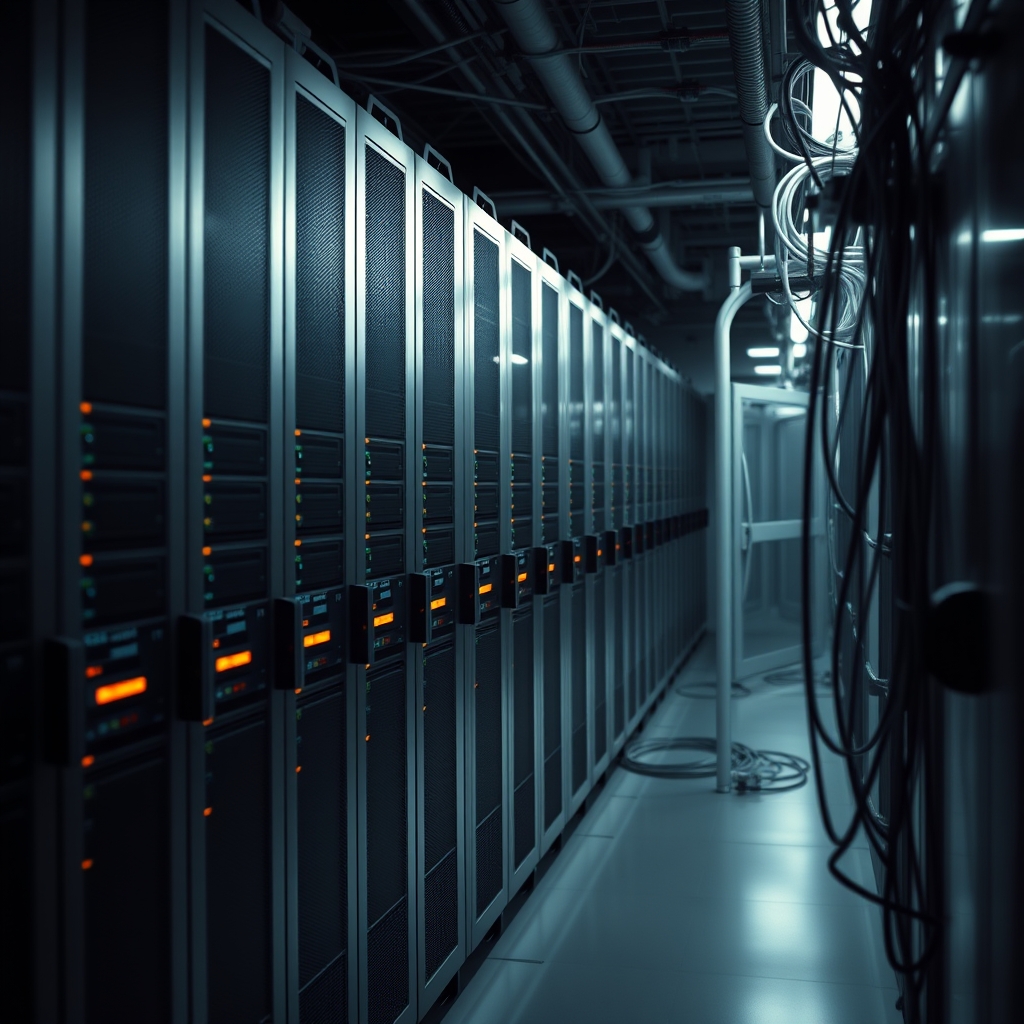
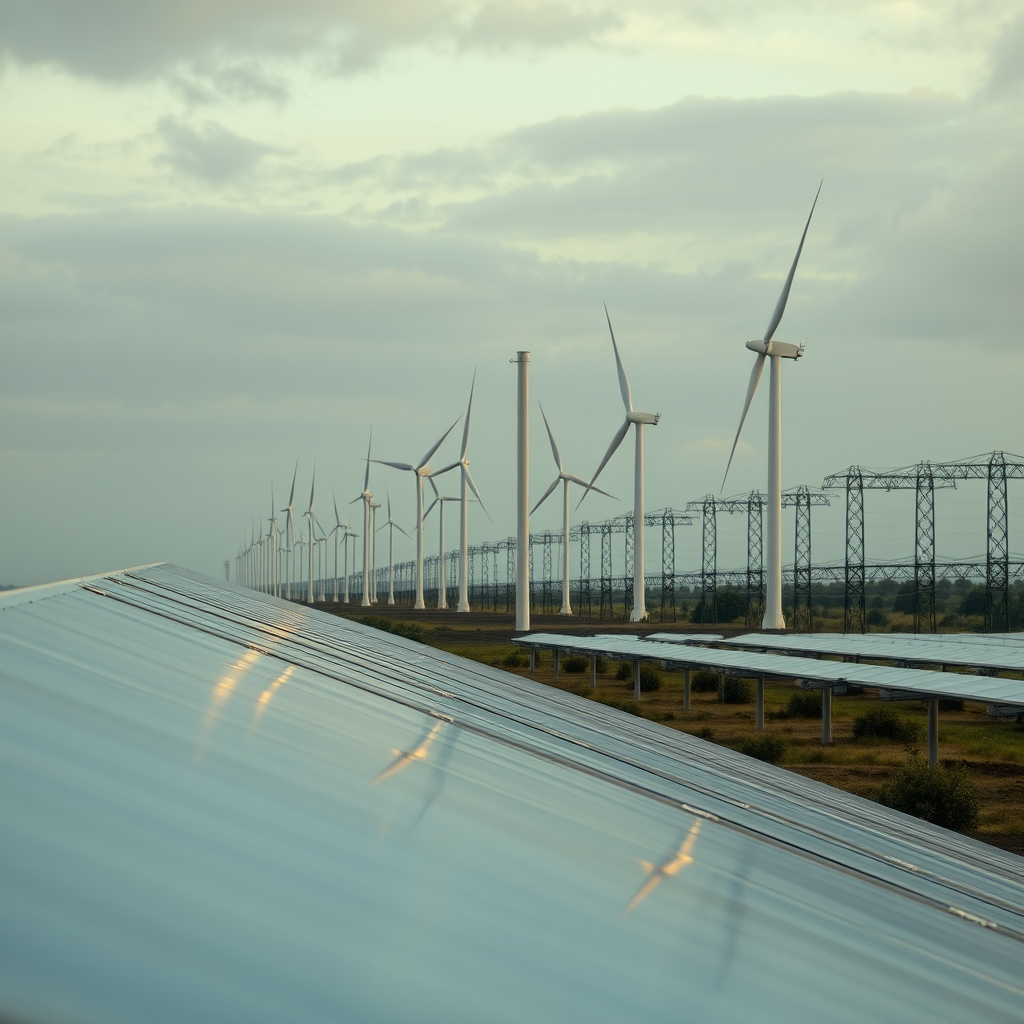
The explosive surge in energy demand driven by the AI boom has placed an immense stress test on America's aging grid infrastructure. While critics warn of short-term spikes in electrical bills and long-term risks of outages, industry insiders argue that this pressure is inadvertently catalyzing a necessary modernization of the US power system. At TechCrunch Disrupt, leaders from the energy sector emphasized that the flood of new connections is not merely a burden but a catalyst for innovation, creating an urgent environment where stakeholders are finally ready to adopt advanced technologies to manage complex load variables.
Apoorv Bhargava, founder and CEO of WeaveGrid, highlighted the fundamental shift in grid management, noting that utilities are now grappling with a "very different electric grid" characterized by new variables such as renewable energy sources, electric vehicles, and data centers. Bhargava explained that the core challenge lies in the ability to manage and orchestrate this diverse load. WeaveGrid’s software solution aims to address this by helping organizations efficiently deploy energy and optimize connections, a strategy designed to maximize the potential of the current system while simultaneously reducing bills for utility payers.
On the physical infrastructure front, Tim Heidel, CEO of Veir, is leading efforts to expand and enhance the grid’s capacity through superconductive power lines. Veir’s technology promises to transfer energy at a significantly more efficient rate than traditional cables, capable of carrying power five times farther while requiring twenty times less space. Heidel noted that the scale of investment in AI infrastructure is driving tremendous innovation, with new technologies emerging at a rapid pace. He stressed the need to adopt these innovations as quickly as possible to ease the next stage of growth, ensuring that data centers become responsible community neighbors. Veir recently raised $110 million in a Series C funding round to accelerate this deployment.
Kristin Eberhard, VP of policy at Rewiring America, described the current era as an "improv era" of energy, where the urgency of AI demand has created a collaborative environment for rapid experimentation. Eberhard argued that while the sector needs more transmission lines and centralized power plants, it must also leverage previously overlooked solutions. This convergence of urgency and innovation suggests that the data center boom, despite its challenges, is ultimately driving a comprehensive overhaul of the US grid, positioning the nation for a more resilient and efficient energy future.