Earth’s Finite Wealth: How Accelerating Resource Extraction Threatens Humanity’s Future
Humanity now extracts more natural resources than in all of recorded history combined, a trend that threatens food security and climate stability.
S
··1 min readSciTech Editorial Team
Newsroom
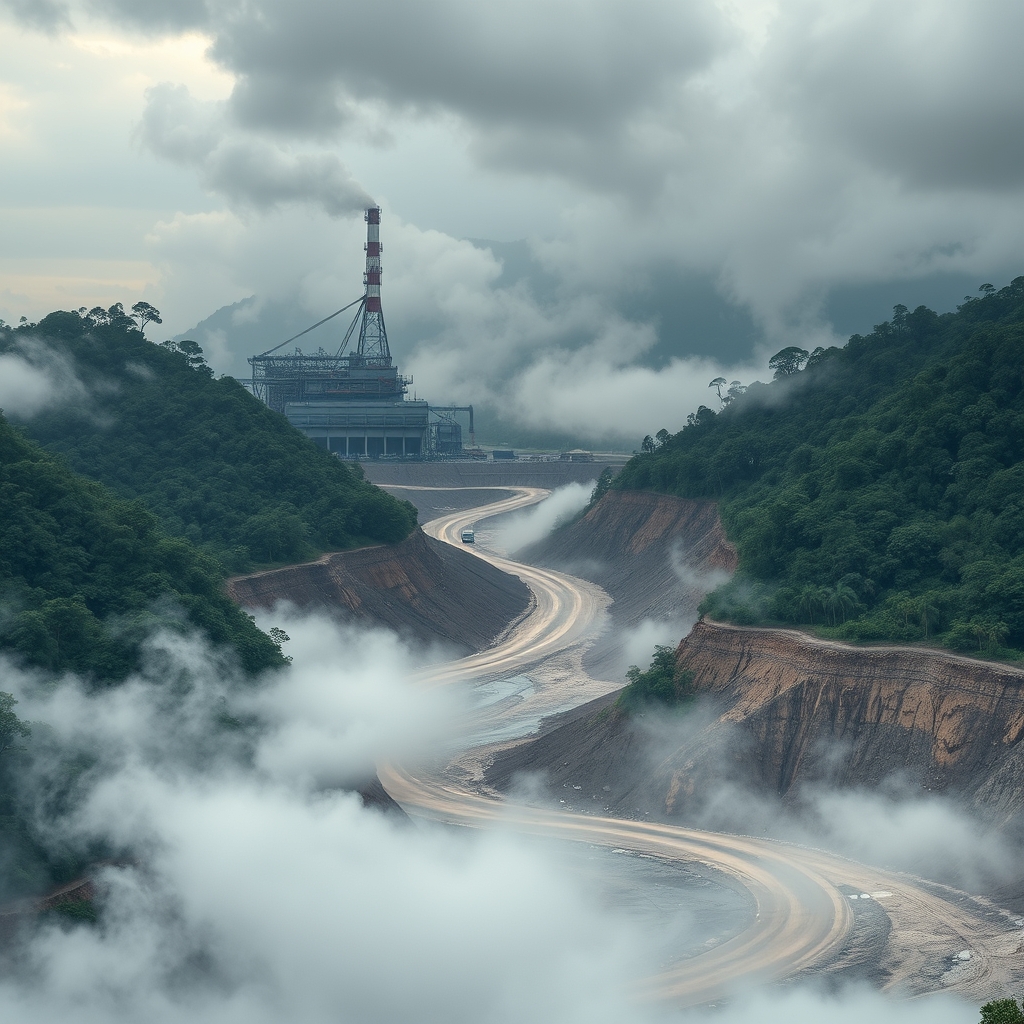
For the first time in human history, the volume of raw materials pulled from the planet in a single half‑century surpasses the total extracted over the preceding millennia, a trajectory that is reshaping economies, ecosystems and the very foundation of modern life.
The surge is most visible in the mining of lithium, the metal that powers today’s batteries. In Chile’s Atacama Desert, the Salar de Atacama hosts an operation that now extracts more than 100,000 metric tonnes of lithium carbonate annually, a figure that dwarfs the combined output of the world’s largest lithium mines a decade ago.
Equally critical are the three macronutrients that sustain global agriculture: nitrogen (N), phosphorus (P) and potassium (K). According to the International Fertilizer Association, global fertilizer consumption reached 190 million tonnes in 2023, with nitrogen alone accounting for 110 million tonnes. The relentless demand fuels runoff that creates dead zones in oceans and accelerates eutrophication.
Researchers warn that the current extraction model is unsustainable. Dr. Maria Alvarez of the University of Chile notes, “The Atacama operation is a textbook case of a resource boom that outpaces local water renewal, threatening both the desert’s fragile ecosystems and the livelihoods of nearby communities.” Similarly, Prof. James Keller of the University of Cambridge stresses, “Our dependence on finite phosphorus reserves could become a geopolitical flashpoint within the next two decades.”
Policymakers and industry leaders are now exploring circular‑economy solutions—recycling lithium from spent batteries, recovering phosphorus from wastewater, and deploying precision‑fertilizer technologies that cut input by up to 30 %. Yet the scale of the challenge remains daunting, and without decisive action the planet’s capacity to support a growing population of 10 billion by 2050 could be severely compromised.