US Mid‑Term Elections Poised to Redefine the Nation’s Science Funding Landscape
The 2024 US mid‑terms could shift congressional control, potentially restoring federal science funding and curbing political interference.
S
··1 min readSciTech Editorial Team
Newsroom
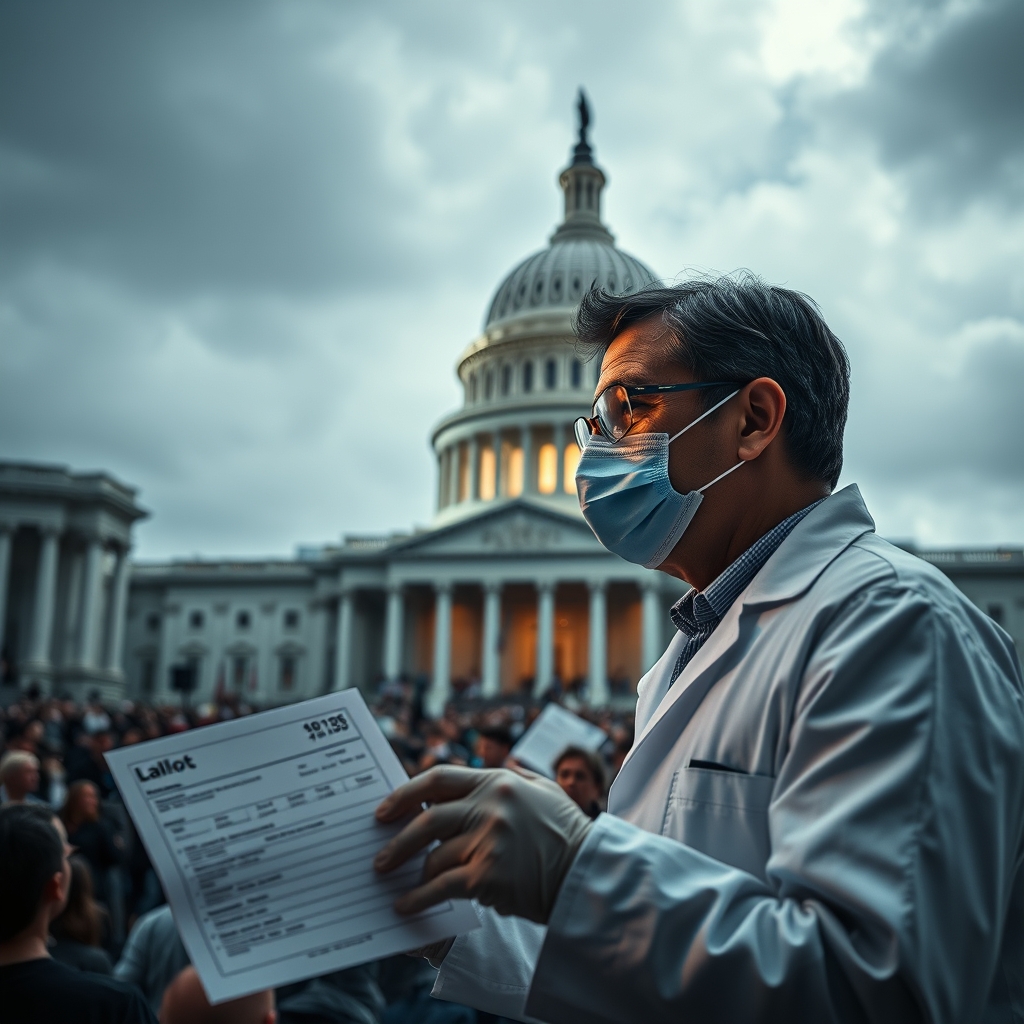
As tens of millions of Americans line up to vote on 3 November 2024, the mid‑term elections could trigger a seismic shift in the nation’s scientific enterprise. Polls now favor the Democratic Party to recapture the House of Representatives and to make a credible bid for the Senate, which would end the current Republican‑led control of Congress that has aligned closely with President Donald Trump’s administration.
At present, Republicans hold a majority in both chambers, granting the administration unfettered authority over the federal budget. Since President Trump assumed office in January 2023, his team has terminated thousands of research grants, slashed the federal scientific workforce, and imposed unprecedented political oversight on agencies such as the National Institutes of Health (NIH) and the National Science Foundation (NSF).
The administration’s fiscal proposals have been especially aggressive: it has asked for cuts exceeding 50 % to the NSF budget for fiscal years 2026 and 2027. While members of both parties have so far blocked the most drastic reductions, the FY 2027 budget, which began on 1 October, remains unapproved, leaving the scientific community in limbo. “The Republican Congress has basically ceded their role in oversight for the last almost two years,” notes Shaughnessy Naughton, president of the political‑fundraising group 314 Action, which backs Democratic scientists and engineers seeking office.
A Democratic‑controlled Congress would likely restore funding streams, strengthen statutory protections for research independence, and launch investigations into the administration’s interference with science policy. Legislative initiatives could include safeguards against politically motivated grant cancellations and the establishment of bipartisan science advisory panels.
Nevertheless, the path forward is fraught with uncertainty. Senate races remain highly competitive, and partisan gridlock could stall any comprehensive reform. Researchers and advocacy groups are therefore intensifying outreach to lawmakers, hoping that a new congressional majority will translate electoral promises into concrete support for the nation’s scientific infrastructure.