Four Strategic Levers to Halt 2.6°C Warming: Insights from Nature’s “Cooked?” Podcast
Four expert‑backed levers—clean energy, plant‑based diets, carbon pricing, and climate‑resilient infrastructure—could keep warming below 2 °C and avert the worst climate impacts.
S
··2 min readSciTech Editorial Team
Newsroom
Projections released by leading climate models indicate that, even with the rapid expansion of renewable energy, the planet is still on track to warm by roughly 2.6 °C by the end of the century – a threshold scientists warn will trigger irreversible impacts. In the second episode of the Nature podcast “Cooked?”, a panel of international experts lays out four concrete levers that could bend the trajectory back toward safety.
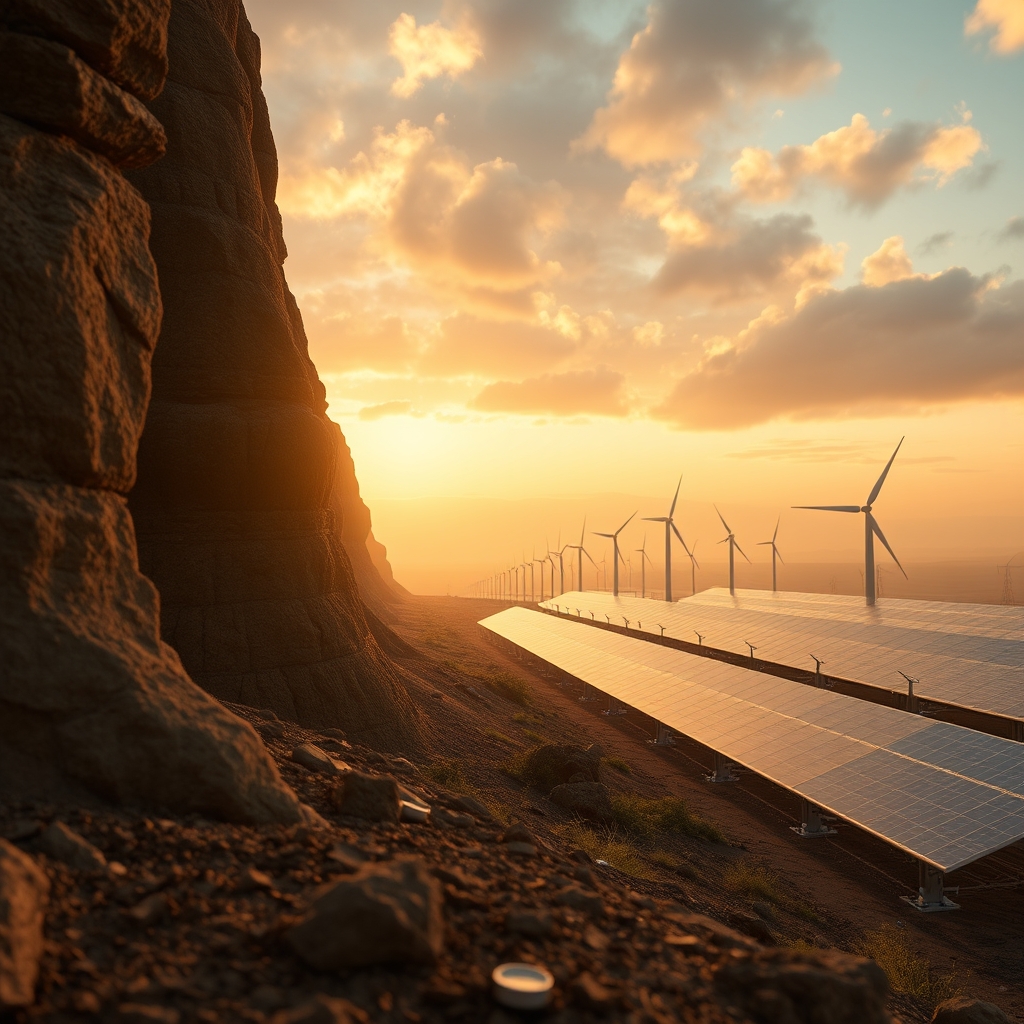
The first lever targets the energy sector. Researchers from the International Renewable Energy Agency (IRENA) argue that a coordinated global push to triple offshore wind capacity and to deploy next‑generation solar photovoltaics could slash electricity‑related emissions by up to 45 % by 2040. “We must move from policy ambition to rapid, financed deployment,” says Dr. Lina Patel, senior energy analyst at IRENA.
The second lever focuses on food systems. A consortium of agronomists led by Prof. Miguel Alvarez of the University of São Paulo estimates that replacing just 30 % of global meat consumption with plant‑based alternatives would cut agricultural greenhouse‑gas emissions by an estimated 1.5 Gt CO₂e per year. “A dietary shift is not a luxury; it is a climate imperative,” Alvarez notes.
The third lever concerns the economics of climate action. The podcast highlights a study from the Grantham Institute that models a carbon‑priced market at $80 per tonne, coupled with green‑bond financing, which could mobilize $12 trillion of private capital for low‑carbon infrastructure by 2035. Economist Dr. Hana Kim stresses that “pricing carbon correctly creates the financial signal needed for industry to innovate at scale.”
Finally, the fourth lever addresses adaptation. With heatwaves and sea‑level rise already reshaping communities, the experts call for a massive scaling of climate‑resilient infrastructure, ranging from flood‑proof housing to heat‑resistant crops. “Adaptation is the safety net that will protect the most vulnerable while mitigation buys us time,” concludes host Dr. Aisha Rahman.
Collectively, these four pillars – clean energy, sustainable diets, green economics, and robust adaptation – form a roadmap that, if pursued with political will and private investment, could keep warming well below the 2 °C threshold and safeguard future generations.