Giant Ground Bird Unearthed in Homo floresiensis Cave Rewrites Evolutionary History
A new giant ground-dwelling bird species has been identified in the Liang Bua cave, the same site where Homo floresiensis was found, based on a 190,000-year-old leg bone.
S
··2 min readSciTech Editorial Team
Newsroom
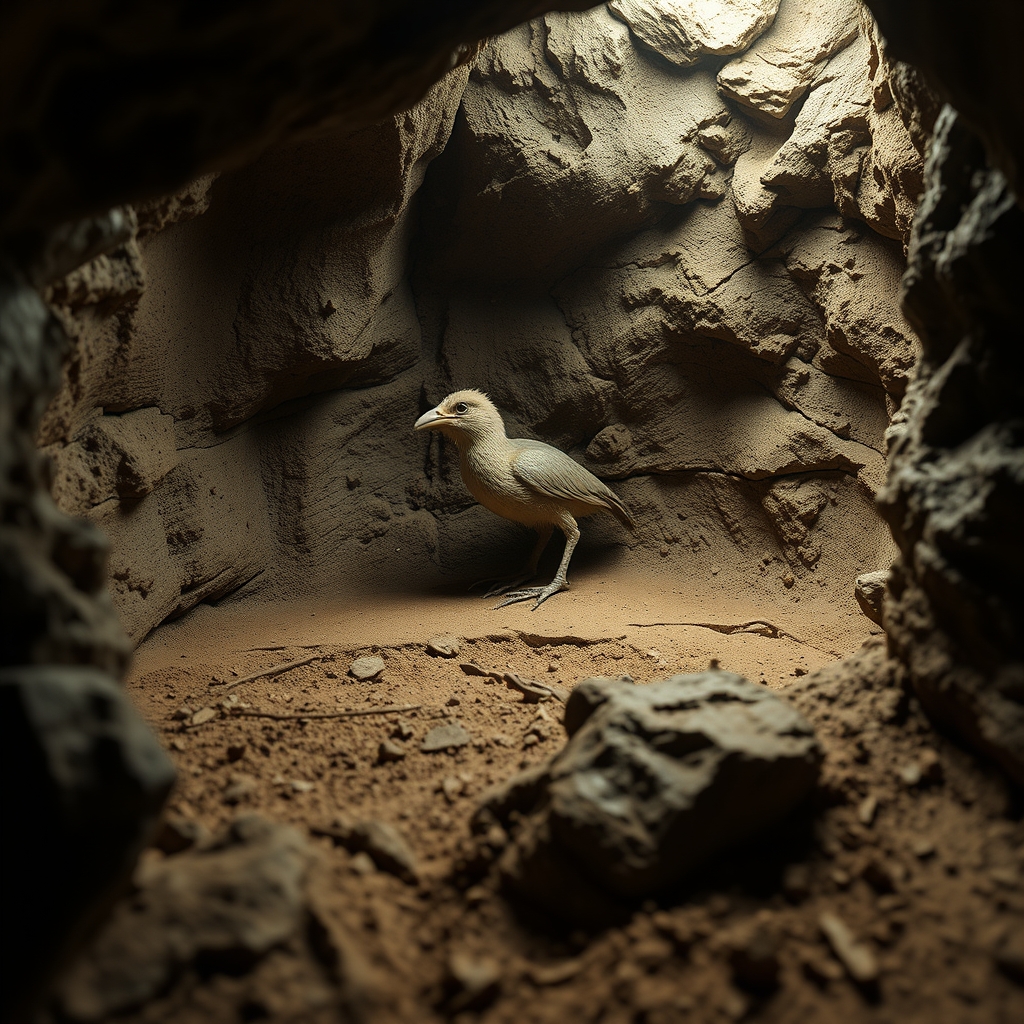
In a groundbreaking discovery that challenges existing paradigms of avian evolution, researchers have identified a new species of ground-dwelling bird, representing the largest of its kind ever recorded. This significant find was made in the Liang Bua cave on Flores Island, the very same site where the famous Homo floresiensis was discovered. The identification of this giant bird species offers a profound glimpse into the prehistoric ecosystem of the region, suggesting a far more complex and diverse fauna than previously understood.
The discovery traces back to 2009, when a team of researchers working in the Liang Bua cave uncovered a leg bone fossil. Initially, the specimen was identified as a bird bone but was subsequently set aside, a fate shared by many avian fossils that are often overlooked in favor of more prominent mammalian or hominin remains. The fossil, which has been dated to between 190,000 and 120,000 years ago, had been left to collect dust in storage, waiting for a new generation of paleontologists to re-examine it with advanced analytical techniques.
Upon re-evaluation, the bone revealed distinctive morphological characteristics that did not match any known species, prompting a detailed comparative analysis. The size of the leg bone indicated that this bird was significantly larger than any other ground-dwelling bird found in the region, leading to its classification as a new, giant species. This finding underscores the importance of revisiting archival collections, as many paleontological treasures remain hidden in museum drawers, awaiting proper identification.
The implications of this discovery extend beyond mere taxonomy. The presence of such a large ground-dwelling bird in the same cave as Homo floresiensis raises intriguing questions about the ecological interactions between these species. Did the giant bird coexist with the small-statured hominins? What role did it play in the food web of Flores Island during the late Pleistocene? These questions highlight the dynamic and interconnected nature of prehistoric ecosystems.
As researchers continue to analyze the fossil, further insights into the anatomy and behavior of this new species are expected. This discovery not only adds a new chapter to the evolutionary history of birds but also reinforces the unique biodiversity of Flores Island, a place that has repeatedly surprised the scientific community with its unexpected inhabitants.