Global Carbon Emissions May Have Peaked in 2026, But Experts Warn of Premature Celebration
New data suggests global carbon emissions may have peaked in 2026, but experts warn that geopolitical conflicts could be distorting the long-term trend.
S
··1 min readSciTech Editorial Team
Newsroom
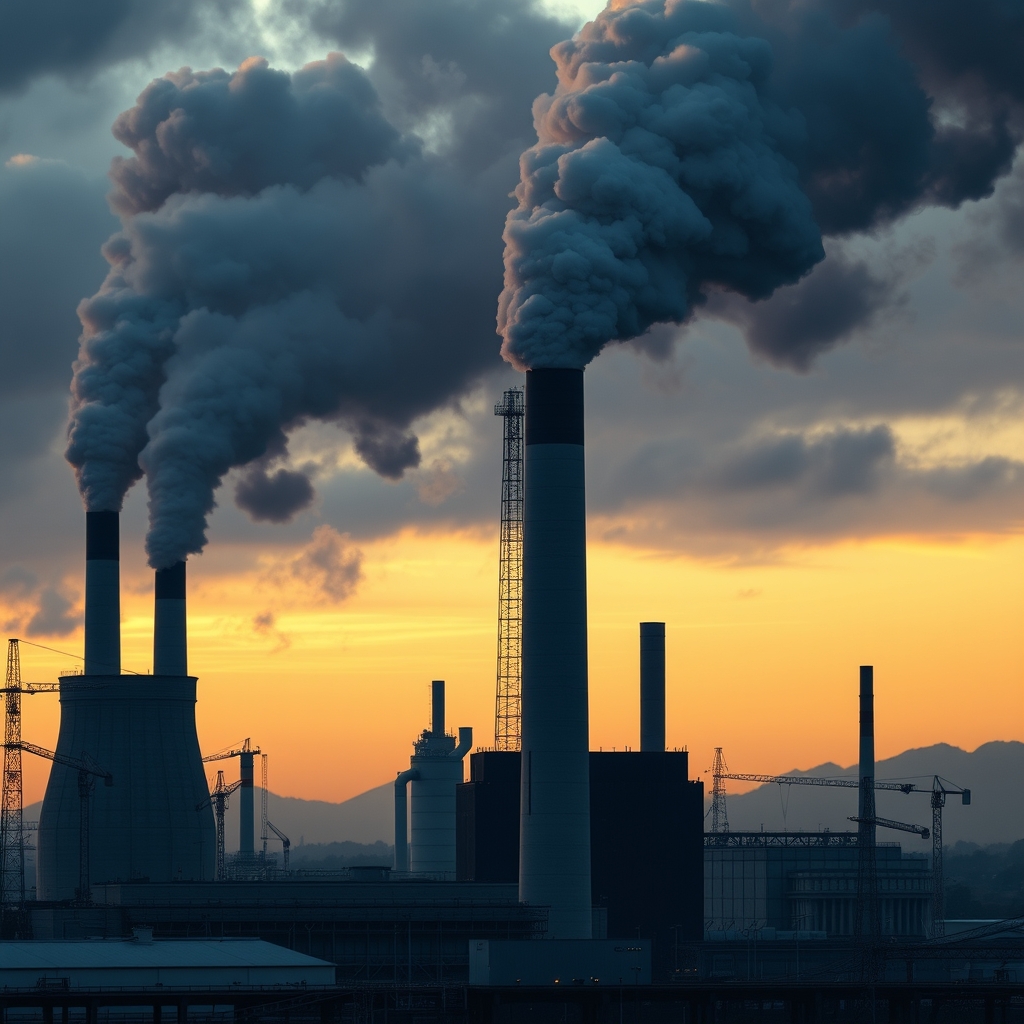
A groundbreaking new report suggests that global carbon emissions may have finally reached a peak in 2026, marking a potential turning point in the fight against climate change. This development signals that emissions could begin a sustained downward trend for the first time in decades. However, leading climate scientists urge caution, emphasizing that this milestone should be viewed with significant skepticism until further data is available. The initial optimism surrounding this potential peak is complicated by recent geopolitical events, specifically the ongoing U.S.–Iran conflict, which has disrupted energy markets and industrial activities worldwide. While media outlets have hailed this as a historic victory for environmental policy, experts warn that a single year of data is insufficient to confirm a long-term structural shift in global emissions. The complexity of global supply chains and the volatility of fossil fuel prices mean that short-term fluctuations can easily be mistaken for permanent trends. Consequently, the scientific community remains divided on whether this represents a genuine inflection point or merely a temporary blip caused by external shocks. To validate this trend, researchers will need to monitor emission levels over the next several years to ensure that the decline is not merely a reactive measure to geopolitical instability. If confirmed, this peak would represent a critical step toward meeting international climate goals, but the path forward remains fraught with uncertainty. Policymakers are now facing the challenge of locking in these reductions through robust regulatory frameworks and accelerated investment in renewable energy technologies. The coming years will be pivotal in determining whether 2026 was indeed the peak or just a fleeting anomaly in the broader narrative of global carbon output.