Independent Verification: New Study Confirms Accuracy of Iconic M87 Black Hole Image
A new independent study confirms the scientific accuracy of the 2019 M87 black hole image, validating the Event Horizon Telescope's groundbreaking data and setting new standards for astrophysical research.
S
··2 min readSciTech Editorial Team
Newsroom
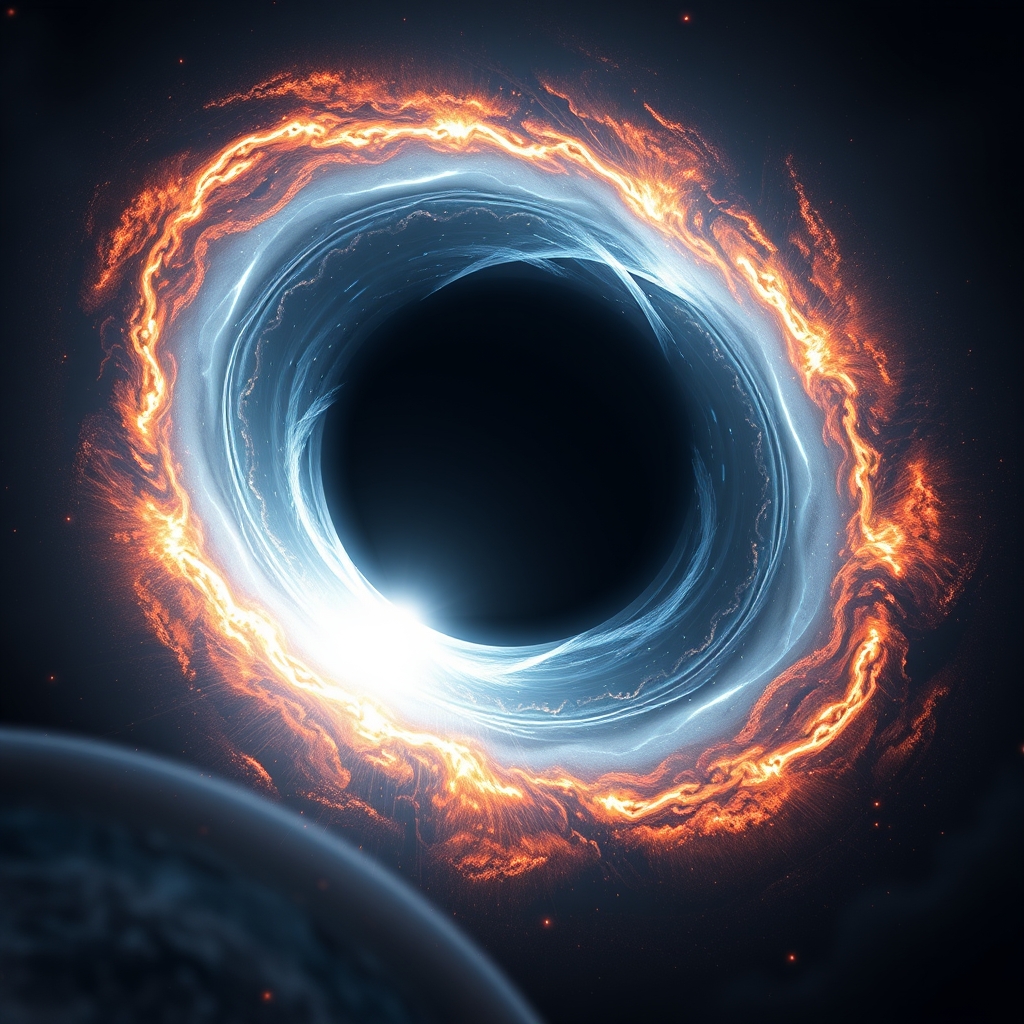
In a significant milestone for astrophysics, a new independent study has delivered a definitive result confirming the accuracy of the iconic black hole image first revealed by the Event Horizon Telescope (EHT) Collaboration. This verification resolves lingering scientific debates regarding the fidelity of the initial data, solidifying the image as a cornerstone of modern observational astronomy. The study provides a robust, independent check on the complex algorithms and data processing techniques used to reconstruct the shadow of the supermassive black hole, ensuring that the visual representation aligns precisely with theoretical predictions from General Relativity.
The object in question is located at the center of the galaxy M87, situated approximately 55 million light-years away from Earth. When the image was first unveiled on April 10, 2019, it marked the first direct visual evidence of a black hole's event horizon. The new research employs distinct methodological approaches to re-analyze the raw interferometric data, yielding results that are statistically consistent with the original EHT findings. This independent validation is crucial for the scientific community, as it mitigates potential systematic errors that could arise from the unique processing pipeline of the EHT collaboration.
The technical implications of this confirmation are profound. By verifying the image's accuracy, researchers can now utilize the M87 black hole as a precise benchmark for testing fundamental physics under extreme gravitational conditions. The study highlights the reliability of very-long-baseline interferometry (VLBI) and sets a new standard for future astronomical observations. Experts note that this level of independent verification strengthens the credibility of the EHT's future projects, including the upcoming high-resolution imaging of the black hole at the center of the Milky Way, Sagittarius A*.
Looking ahead, this confirmation paves the way for deeper investigations into the dynamics of accretion disks and relativistic jets. Scientists can now focus on extracting finer details from the existing data, such as the rotation rate of the black hole and the precise structure of the plasma surrounding it. The broader impact extends to the calibration of future space-based telescopes, which will rely on ground-based VLBI data for alignment and validation. This study not only cements the legacy of the 2019 discovery but also accelerates the pace of research into the most extreme environments in the universe.