Kia to Launch Sub-$25,000 Electric Vehicle in 2027, Targeting Mass Market Adoption
Kia plans to unveil a sub-$25,000 electric vehicle in 2027, aiming to make EVs accessible to a wider mass market.
S
··1 min readSciTech Editorial Team
Newsroom
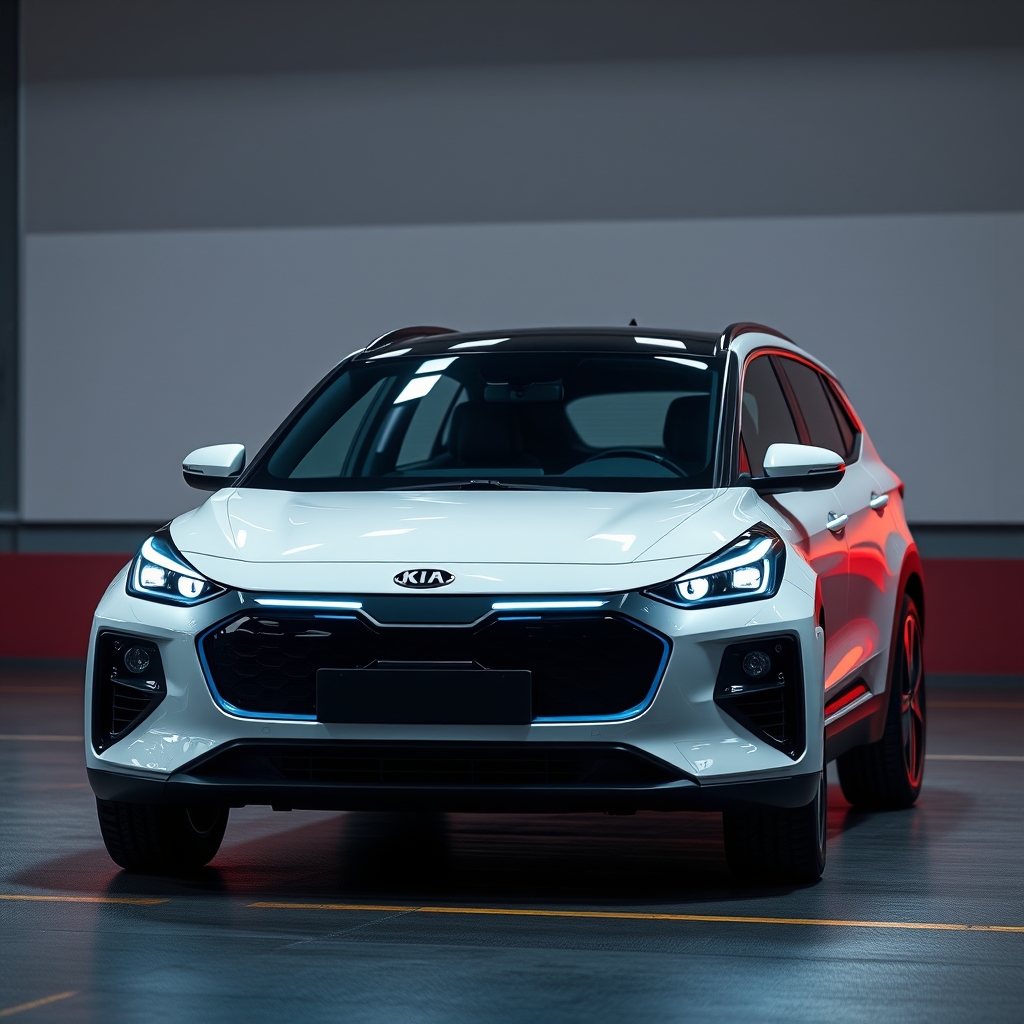
Kia is set to fundamentally reshape the affordable electric vehicle landscape in 2027 with the introduction of its most cost-effective model to date. The South Korean automaker, which has already established a diverse EV portfolio spanning various sizes and price points, has identified a critical gap in the market: the absence of a truly accessible, low-cost electric car. This strategic move aims to democratize electric mobility, making it viable for a broader demographic that has previously been priced out of the green transition.
According to recent industry reports, the new vehicle is expected to debut with a starting price range of approximately $22,000 to $24,000. This pricing strategy is a significant departure from the current market norms, where entry-level EVs often command premiums that deter budget-conscious buyers. By targeting a sub-$25,000 price point, Kia intends to challenge established competitors and accelerate the adoption rate of electric vehicles among mainstream consumers who prioritize value and practicality over luxury features.
The development of this model reflects Kia’s broader commitment to sustainability and technological innovation. While the specific technical specifications, such as battery capacity and range, have not been fully detailed in initial disclosures, the focus on cost-efficiency suggests a streamlined design and optimized energy management systems. This approach is crucial for overcoming one of the primary barriers to EV adoption: the high upfront cost relative to traditional internal combustion engine vehicles.
The broader implications of this launch extend beyond Kia’s own sales figures. By introducing a competitively priced EV, Kia is likely to trigger a ripple effect across the automotive industry, pressuring other manufacturers to revisit their pricing strategies and accelerate the development of their own affordable electric models. This could lead to a more competitive market environment, ultimately benefiting consumers through lower prices and improved technology. As the global push toward decarbonization intensifies, such initiatives are pivotal in ensuring that the transition to electric mobility is inclusive and accessible to all segments of society.