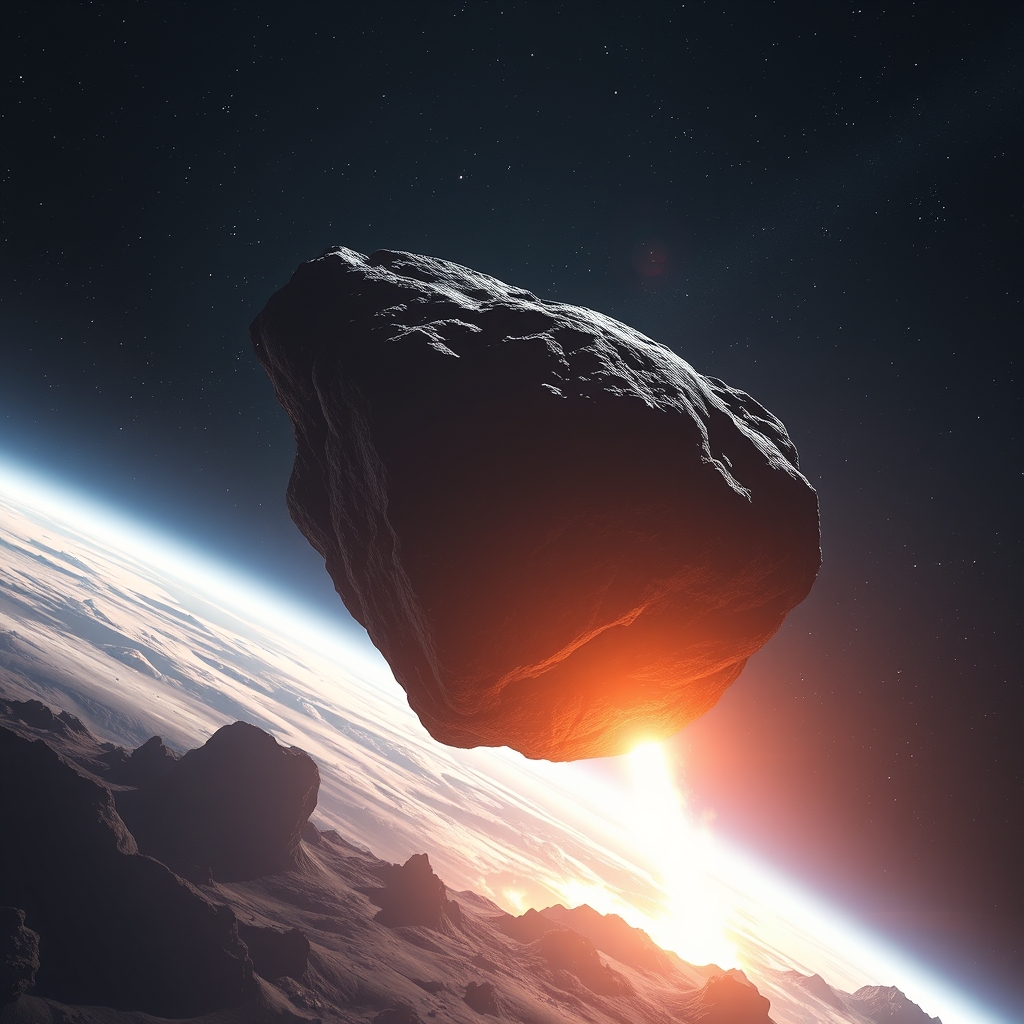
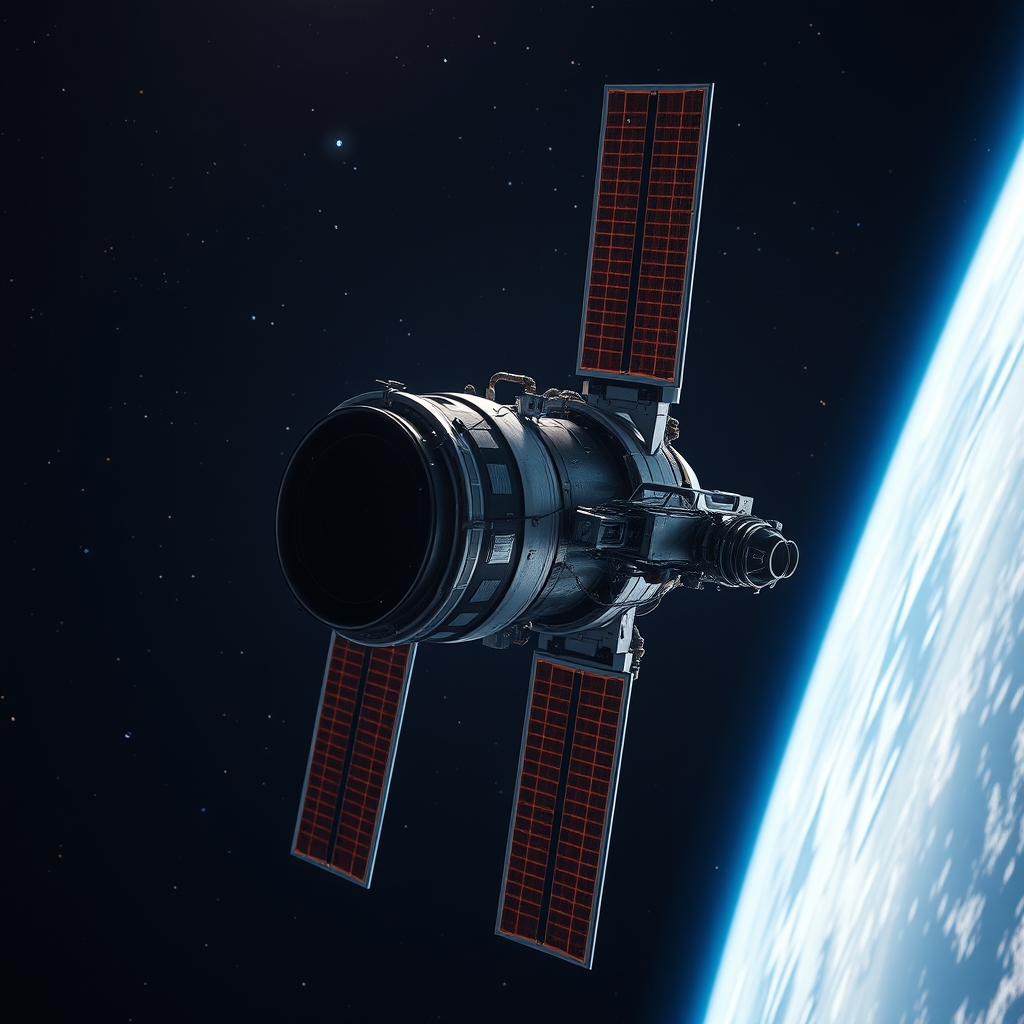
NASA’s Swift Telescope Ends 22‑Year Hunt for Cosmic Explosions with Controlled Re‑entry
NASA's Swift telescope ends a 22‑year quest to capture gamma‑ray bursts, re‑entering Earth in a controlled descent.
S
··1 min readSciTech Editorial Team
Newsroom
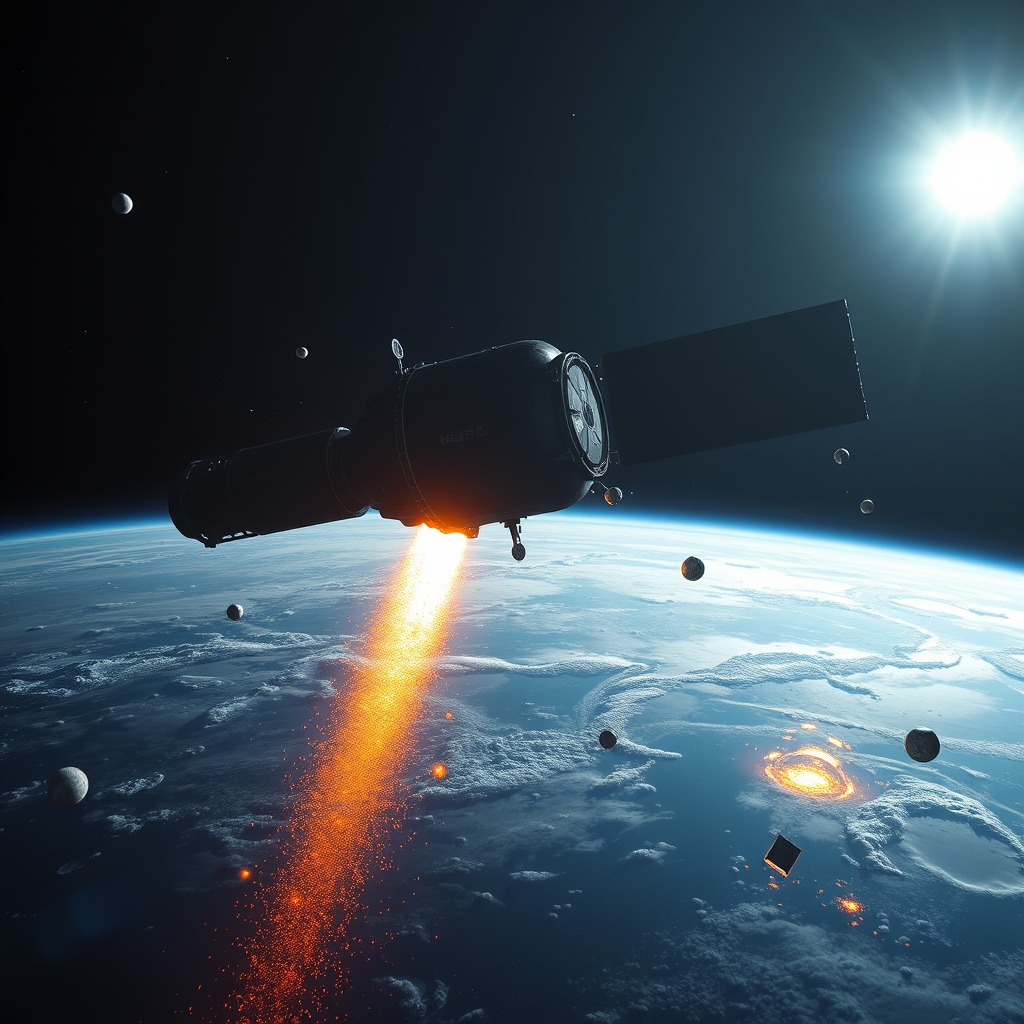
NASA's Swift Gamma‑Ray Burst Mission, a flagship space telescope, re‑entered Earth's atmosphere on Wednesday, ending a 22‑year survey of the universe's most energetic explosions. Its controlled plunge marks the conclusion of a program that transformed our understanding of gamma‑ray bursts (GRBs) and opened the era of multi‑messenger astronomy.
Launched on 20 November 2004, Swift combined a wide‑field Burst Alert Telescope (BAT) with an X‑ray Telescope (XRT) and an Ultraviolet/Optical Telescope (UVOT). Over 22 years it detected more than 1,600 GRBs, pinpointed their locations within seconds, and transmitted data to ground stations in real time, enabling rapid follow‑up by observatories worldwide.
NASA officials highlighted that the spacecraft exhausted its hydrazine fuel in early 2026, making a safe de‑orbit the only viable option. The re‑entry corridor was plotted over the remote Pacific Ocean; most of the satellite vaporized, while a small fragment landed on New Zealand’s North Island, where recovery teams are collecting debris for forensic analysis.
The mission’s legacy lives on in an open‑access archive containing terabytes of high‑resolution spectra and light curves. Researchers continue to mine the data to study the progenitors of GRBs, the formation of black holes, and the synthesis of heavy elements. Upcoming missions such as SVOM (Space‑based Variable Objects Monitor) and THESEUS (Transient High‑Energy Sky and Early Universe Surveyor) will build on Swift’s methodology.
While Swift’s retirement closes a historic chapter, it also underscores the need for next‑generation observatories with larger collecting areas and faster slewing capabilities. The scientific community is already planning a coordinated network of space‑ and ground‑based detectors to capture the fleeting signatures of the next cosmic cataclysms.