NASA's Voyager 1 Nears Historic Milestone: One Light-Day from Earth in Interstellar Space
NASA's Voyager 1 is set to become the first human-made object to reach one light-day from Earth, marking a significant milestone in interstellar exploration.
S
··2 min readSciTech Editorial Team
Newsroom
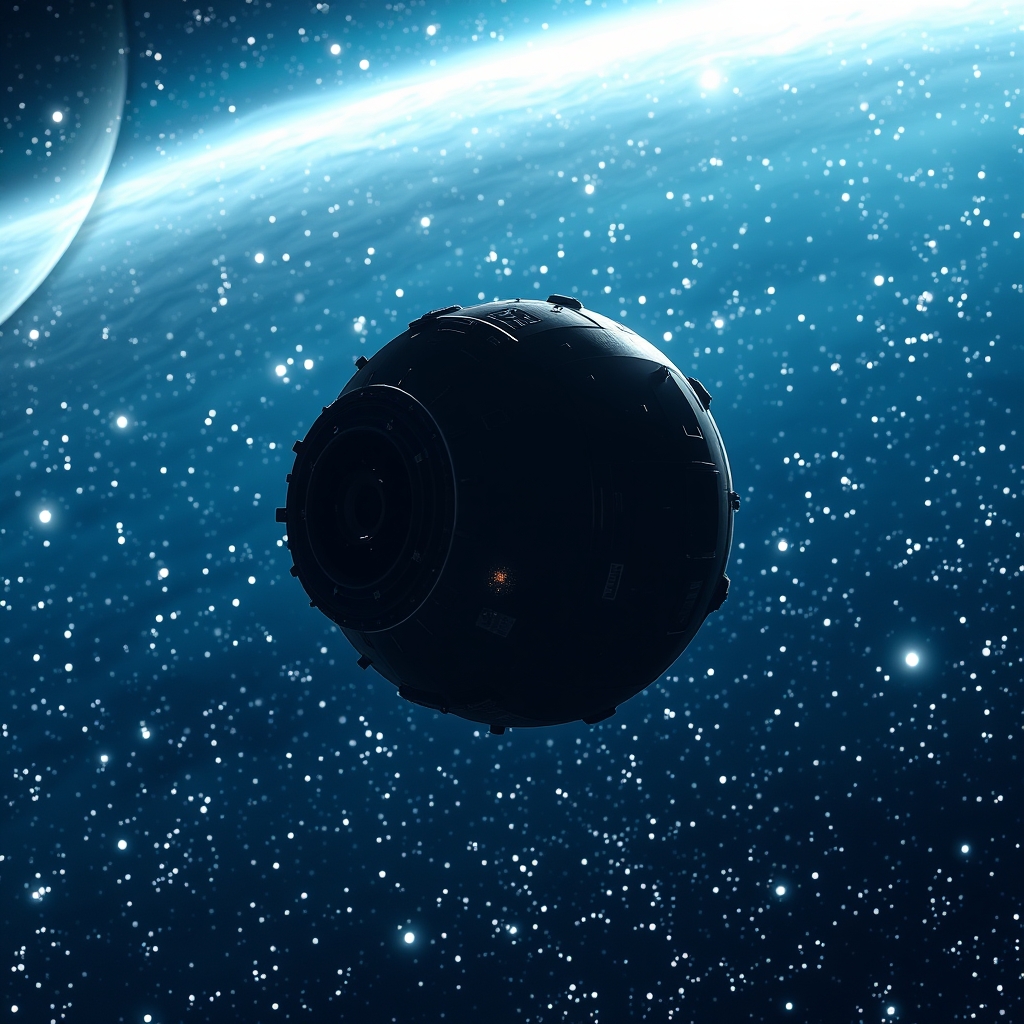
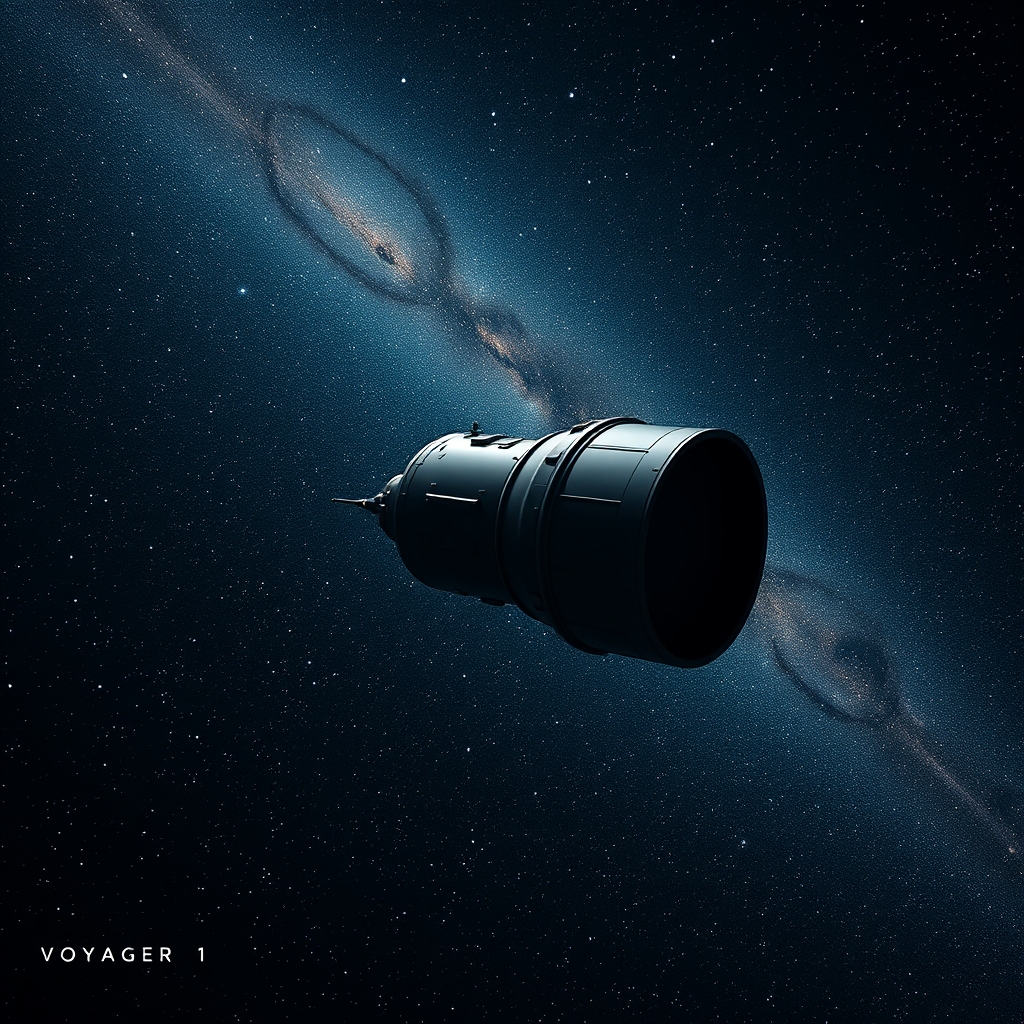
NASA’s Voyager 1 is on the verge of achieving a monumental milestone in space exploration, poised to become the first human-made object to reach a distance of one light-day from Earth. As the probe continues its relentless journey into the vast unknown, this impending record underscores the extraordinary reach of human engineering and our enduring curiosity about the cosmos. The achievement is not merely a numerical feat but a symbolic testament to the resilience of a spacecraft launched over five decades ago, still functioning and transmitting data from the interstellar medium.
Technically, reaching one light-day signifies that the signal from Voyager 1 will take a full 24 hours to travel back to Earth at the speed of light. This distance places the probe far beyond the heliopause, the boundary where the Sun’s solar wind yields to the interstellar medium. Engineers and scientists at NASA’s Jet Propulsion Laboratory continue to monitor the probe’s health, relying on its robust design to withstand the extreme cold and radiation of deep space. The probe’s trajectory, carefully calculated since its launch in 1977, has allowed it to navigate through the outer solar system and into the interstellar void.
The broader implications of this milestone extend beyond a simple distance record. It highlights the long-term viability of robotic exploration as a means to study environments that are otherwise inaccessible to human missions. As Voyager 1 pushes deeper into interstellar space, it provides unique data on the composition and dynamics of the interstellar medium, offering insights into the conditions that exist between stars. This data is crucial for understanding the broader context of our place in the galaxy and the potential for future interstellar probes.
Looking ahead, the journey of Voyager 1 represents a bridge to the next generation of space exploration. While the probe’s power supply is gradually diminishing, its legacy will endure as a pioneer of interstellar travel. Future missions may build upon the knowledge gained from Voyager’s observations, potentially leading to more advanced probes capable of traveling at higher speeds. The closing in on the one-light-day mark serves as a reminder of the slow but steady progress of humanity’s expansion into the stars, marking a significant chapter in the history of space exploration.