Voyager 1 Sets Cosmic Record: Becomes First Human Object to Reach One 'Light Day' from Earth
Voyager 1 becomes the first human-made object to reach one light day from Earth, marking a historic milestone in deep space exploration.
S
··2 min readSciTech Editorial Team
Newsroom
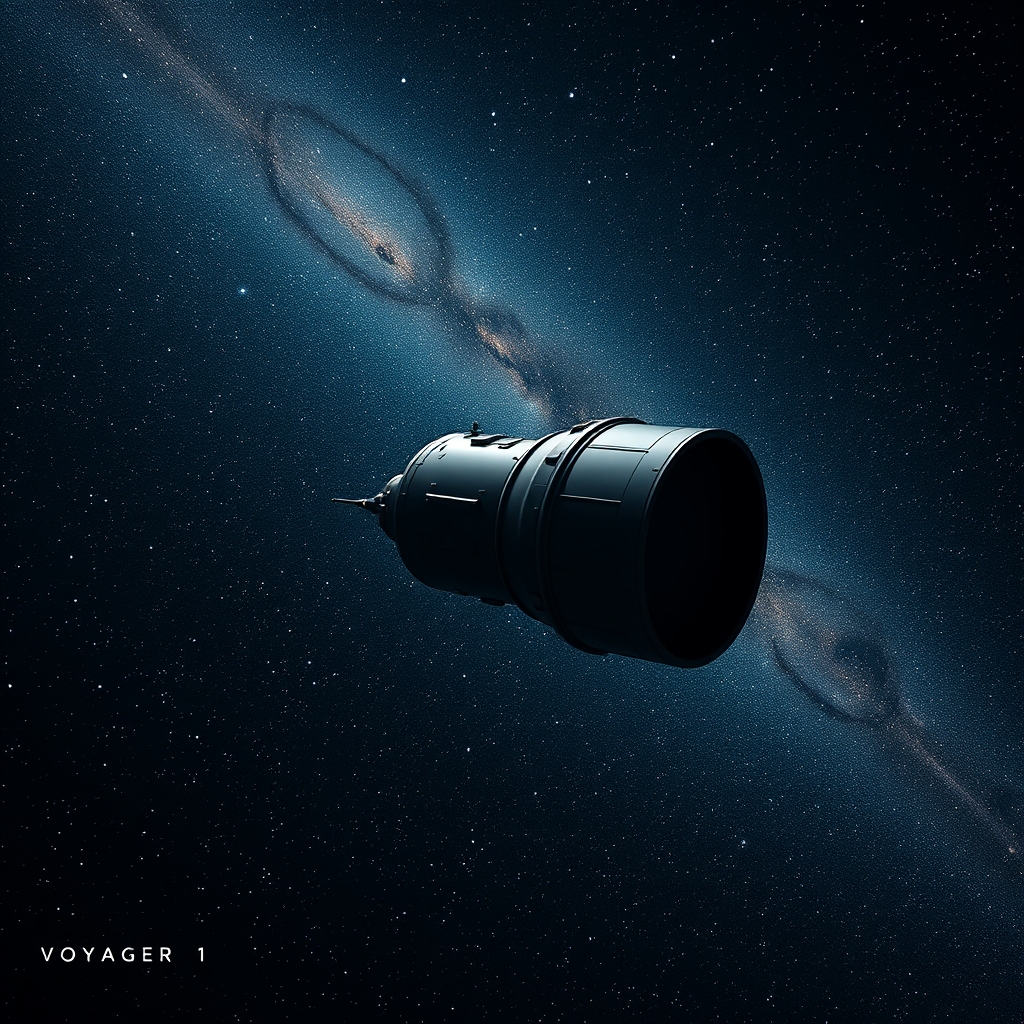
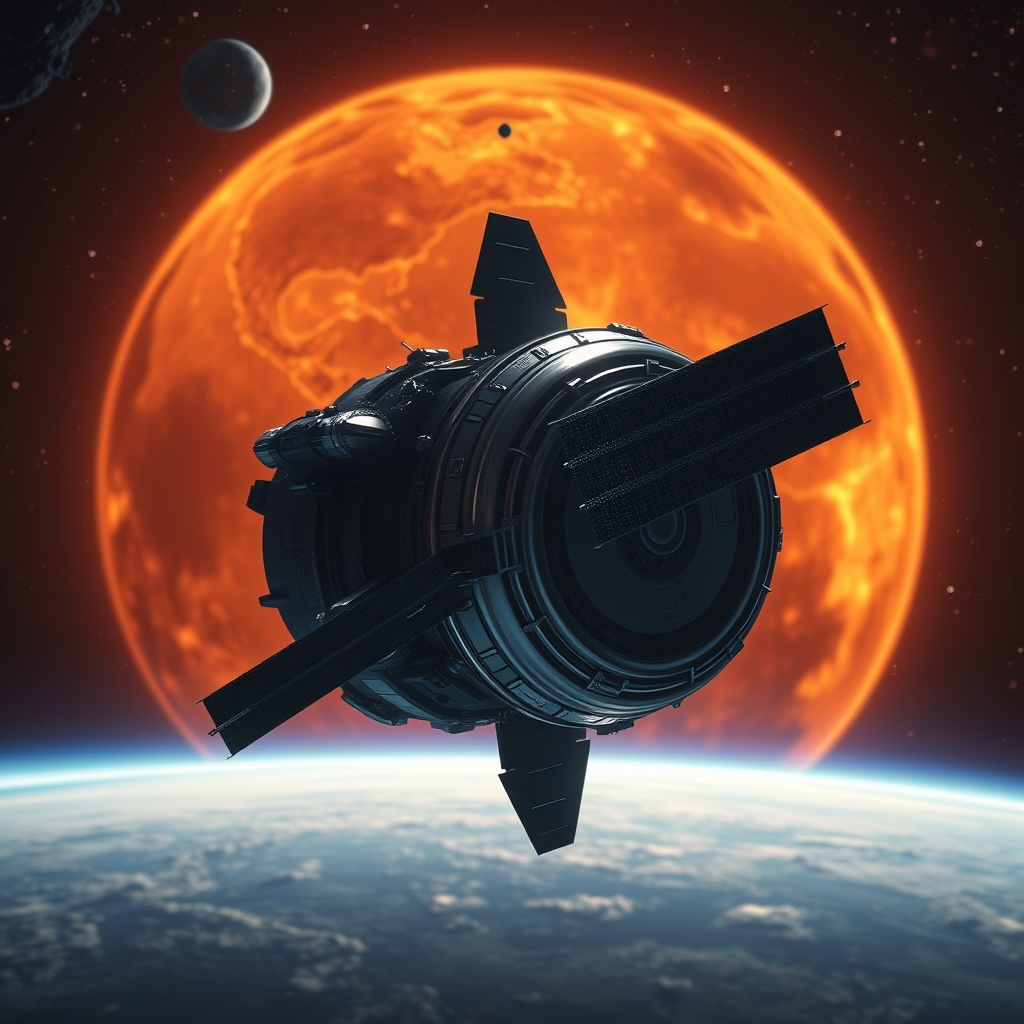
In a landmark achievement for space exploration, NASA’s Voyager 1 spacecraft has officially crossed the threshold of one 'light day' from Earth, becoming the first human-made object to reach this extraordinary distance. This milestone, confirmed by recent telemetry data, marks a profound shift in our understanding of the boundaries of the solar system and the capabilities of long-duration deep space missions. The achievement underscores the resilience of the 1977 probe, which continues to transmit valuable data despite its immense separation from its creators.
The term 'light day' refers to the distance light travels in a vacuum over the course of 24 hours, approximately 25.9 billion kilometers. By reaching this point, Voyager 1 has ventured further into interstellar space than any other artificial object in history. This feat is not merely a matter of distance but also of technological endurance; the spacecraft’s radioisotope thermoelectric generators continue to provide the power necessary to operate its instruments and communicate with Earth, albeit with significant signal delays.
Scientists and engineers have long monitored the probe’s trajectory and health, noting that its systems remain functional even as it moves deeper into the cosmic void. The data collected from this region provides critical insights into the heliopause and the interstellar medium, offering a unique perspective on the environment beyond our solar system’s magnetic bubble. This ongoing mission serves as a testament to the durability of 1970s-era technology, which has outlasted its expected operational lifespan by decades.
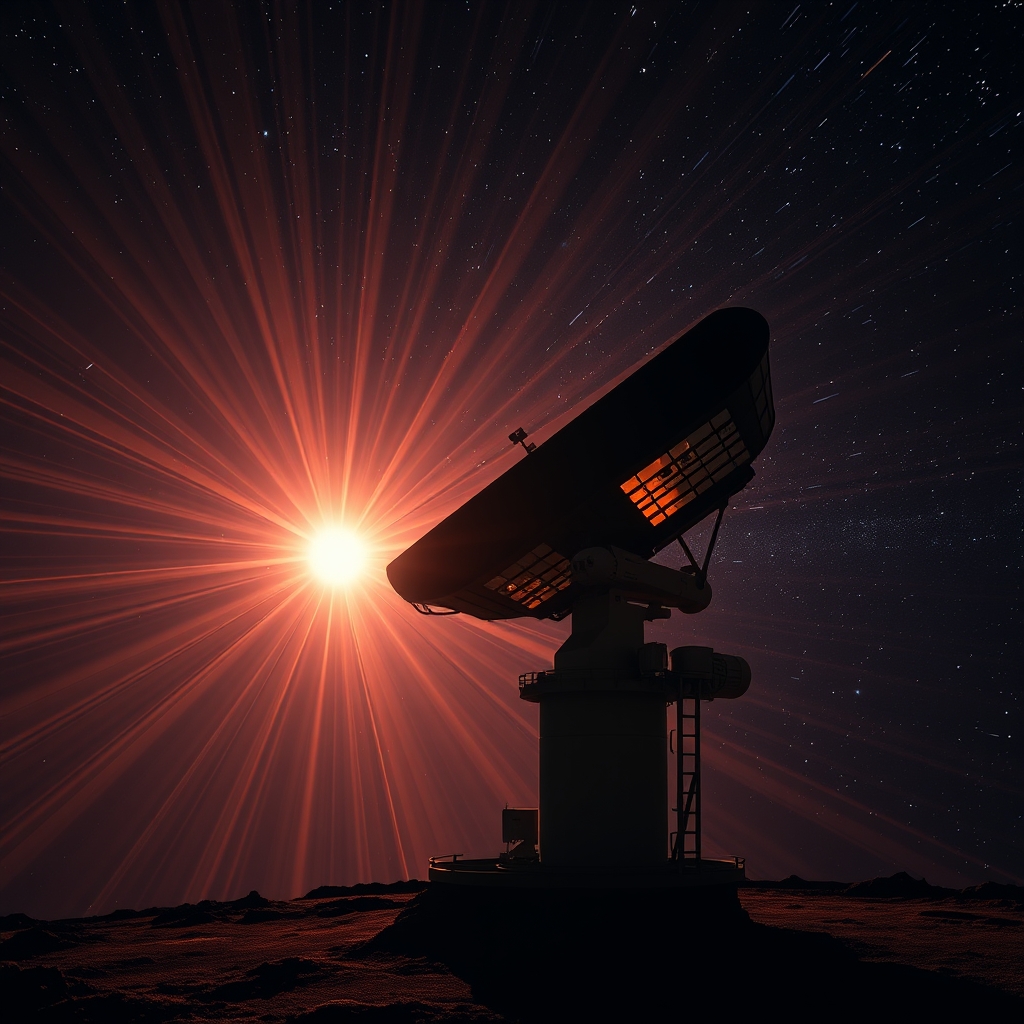
The implications of this milestone extend beyond Voyager 1 itself. It paves the way for future deep-space probes that may need to operate at similar or greater distances. As we look toward the next generation of space exploration, the lessons learned from Voyager’s longevity and communication challenges will be instrumental in designing more robust systems. The probe’s continued operation also highlights the importance of maintaining ground-based infrastructure capable of receiving faint signals from such vast distances.
In the broader context of space science, Voyager 1’s achievement reinforces humanity’s capacity for long-term scientific endeavor. It reminds us that exploration is not just about reaching new places but about sustaining the ability to learn from them. As the probe continues its journey, it carries with it the hopes and curiosity of an entire species, serving as a silent ambassador to the stars.