Nature Study: AI-Powered Smartwatches Detect Hypertension with Clinical Accuracy Without Cuffs
A new Nature study reveals that AI on consumer smartwatches can detect hypertension with accuracy rivaling clinical cuffs, enabling large-scale opportunistic screening.
S
··2 min readSciTech Editorial Team
Newsroom
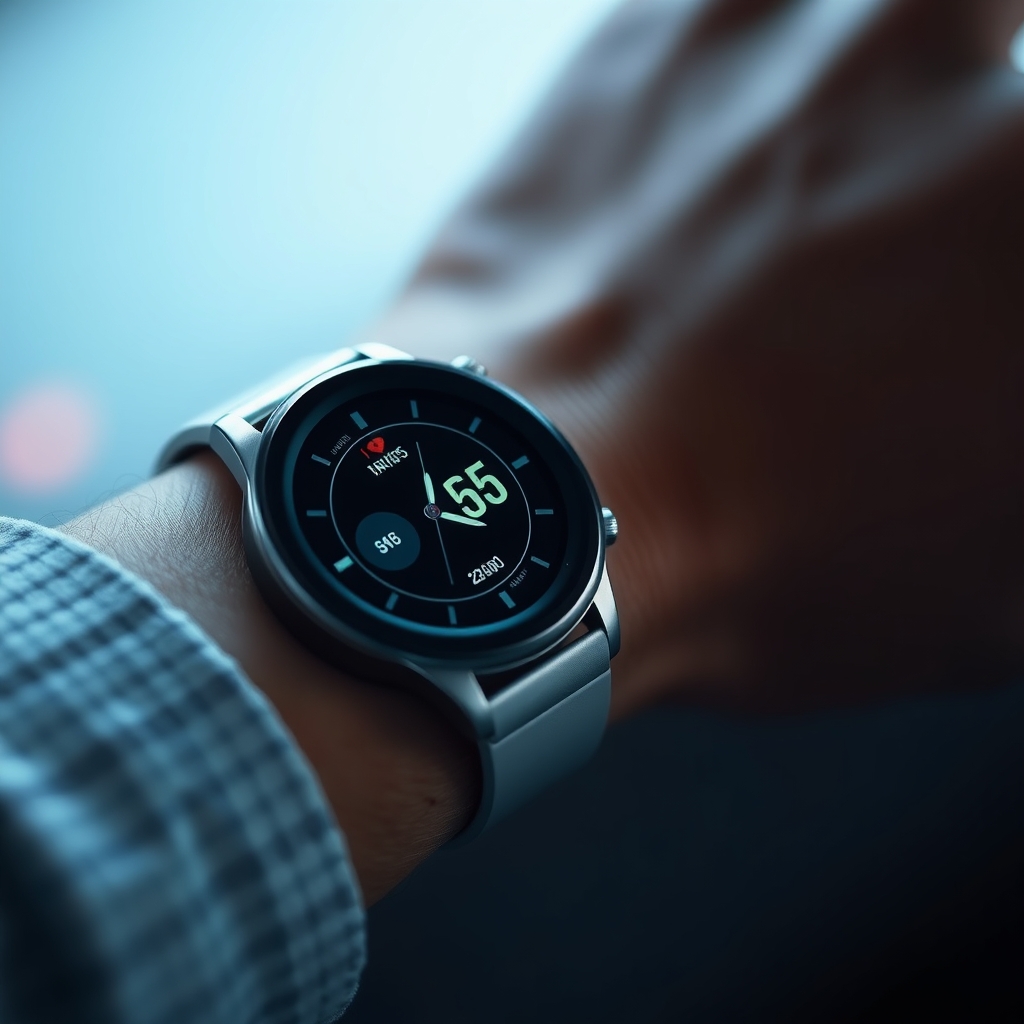
Hypertension, often referred to as the "silent killer," remains a critical public health challenge, with over half of affected adults unaware of their condition. This lack of awareness poses a severe risk, as early intervention is paramount for preventing major adverse cardiovascular events. In a groundbreaking study published in Nature, researchers from Google Research and the University of Washington have demonstrated that artificial intelligence (AI) can detect hypertension using data from widely available consumer smartwatches. The system, named AI-PPG-ACC-HTN, analyzes multimodal waveforms—specifically photoplethysmography (PPG) and accelerometry—without requiring any cuff calibration, offering a non-invasive alternative to traditional blood pressure monitoring.
The study validated the AI-PPG-ACC-HTN system in a prospective, multicenter trial involving 196 diverse participants who were free from known cardiovascular disease and antihypertensive medication. Over a seven-day period of real-world monitoring, the smartwatch-based AI was compared against the gold standard of 24-hour ambulatory blood pressure monitoring. The results were compelling: the AI system achieved a sensitivity of 65.8% (95% CI, 54.0%-76.3%) and a specificity of 90.0% (95% CI, 83.2%-94.7%). Furthermore, the positive predictive value (PPV) reached 80.6% (95% CI, 68.6%-89.6%), indicating a high reliability in identifying true cases of hypertension.
When compared to initial office blood pressure screening, which typically serves as the first line of detection, the AI-powered smartwatch demonstrated superior sensitivity. While office screening achieved a sensitivity of only 55.3% (95% CI, 43.4%-66.7%) with a PPV of 77.8%, the AI system outperformed these metrics, suggesting its potential to catch cases that might be missed in a single clinical visit. The specificity remained consistent at 90.0% for both methods, highlighting the robustness of the AI model in distinguishing between hypertensive and normotensive individuals.
This technological advancement represents a significant leap in opportunistic health screening. By leveraging the ubiquitous nature of consumer smartwatches, the AI-PPG-ACC-HTN system can facilitate population-level screening, prompting at-risk individuals to seek clinical assessment and confirmatory diagnosis using established cuff-based methodologies. This approach addresses the major public health challenge of undiagnosed hypertension by providing an accessible, continuous, and passive monitoring tool. As the integration of AI in wearable technology continues to evolve, this study paves the way for a future where chronic disease management is proactive rather than reactive, potentially saving countless lives through early detection and timely intervention.