New Analysis Rules Out 'Stupendously Large' Primordial Black Holes as a Source of Dark Matter
Recent scientific analysis has ruled out the possibility that 'stupendously large' primordial black holes are a primary source of the universe's dark matter, narrowing the search for its true origin.
S
··1 min readSciTech Editorial Team
Newsroom
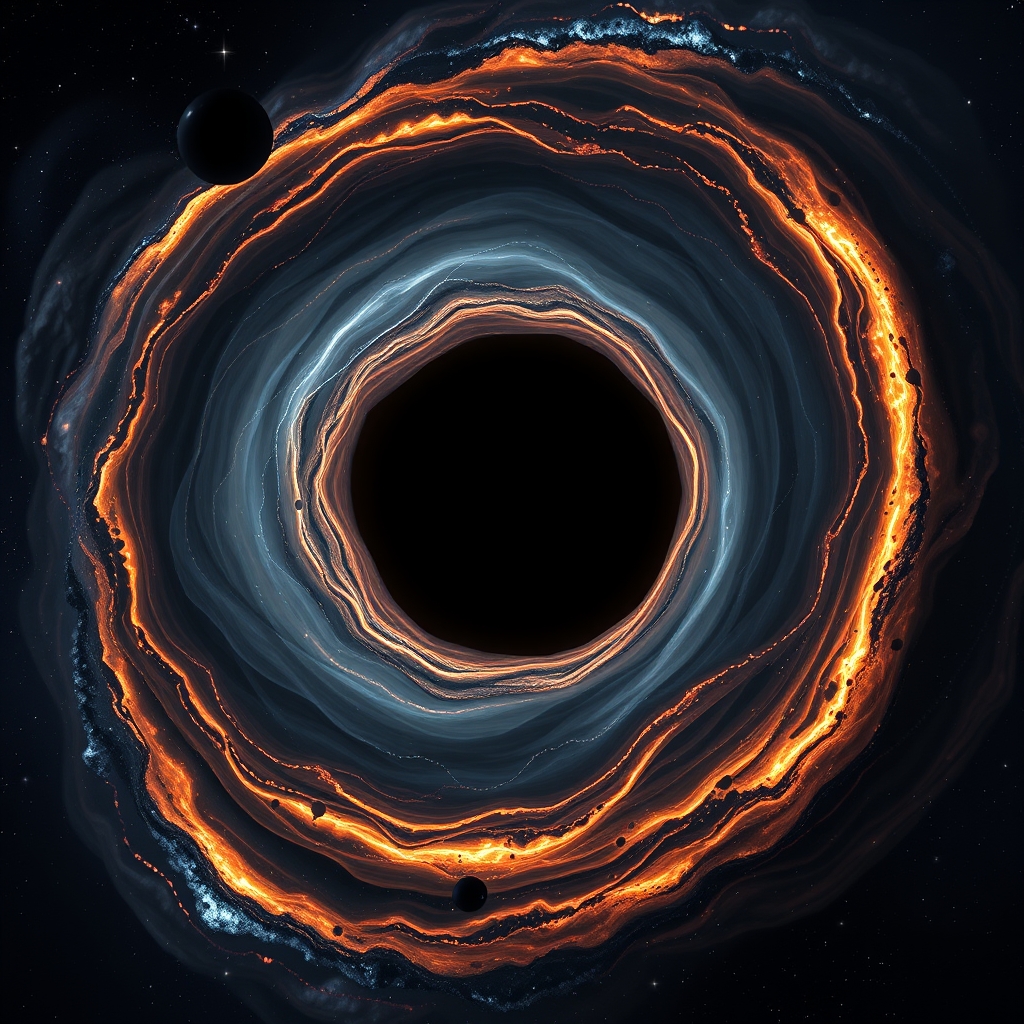
In a significant development for cosmology, recent analyses have effectively ruled out the hypothesis that "stupendously large" primordial black holes constitute a major component of the universe's dark matter. While these hypothetical objects, which could have formed directly from dense clumps of matter in the very early universe, have long been a subject of intense scientific debate, new evidence suggests they do not account for the elusive mass that dominates the cosmic structure.
The distinction between primordial black holes and the stellar-mass black holes observed today is crucial. Unlike their stellar counterparts, which form when massive stars collapse at the end of their life cycles, primordial black holes would have originated in the high-density environment of the early cosmos. Some theories previously suggested that if such objects existed in sufficient numbers, their dramatic origins and gravitational influence could explain a significant share of the dark matter that remains undetectable by conventional telescopes.
However, the latest findings indicate that the constraints on the abundance and mass distribution of these objects are too stringent to support this model. Researchers have examined the gravitational effects and potential signatures of these hypothetical bodies, finding that their presence at the scales required to explain dark matter would have left observable imprints on the cosmic microwave background and the large-scale structure of the universe that are not supported by current data.
This ruling out of a specific class of primordial black holes narrows the search for the true nature of dark matter, a phenomenon that makes up approximately 85% of all matter in the universe. While the possibility of smaller primordial black holes remains a topic of investigation, the exclusion of the "stupendously large" variants represents a critical milestone in refining our understanding of the early universe and the fundamental forces that shaped it.