Nissan Unveils $20,000 NX7 Plug‑in Hybrid with Nearly 200‑Mile Electric Range
Nissan’s $20,000 NX7 plug‑in hybrid promises a 320 km electric range, positioning it as a game‑changer in affordable electrified mobility.
S
··1 min readSciTech Editorial Team
Newsroom
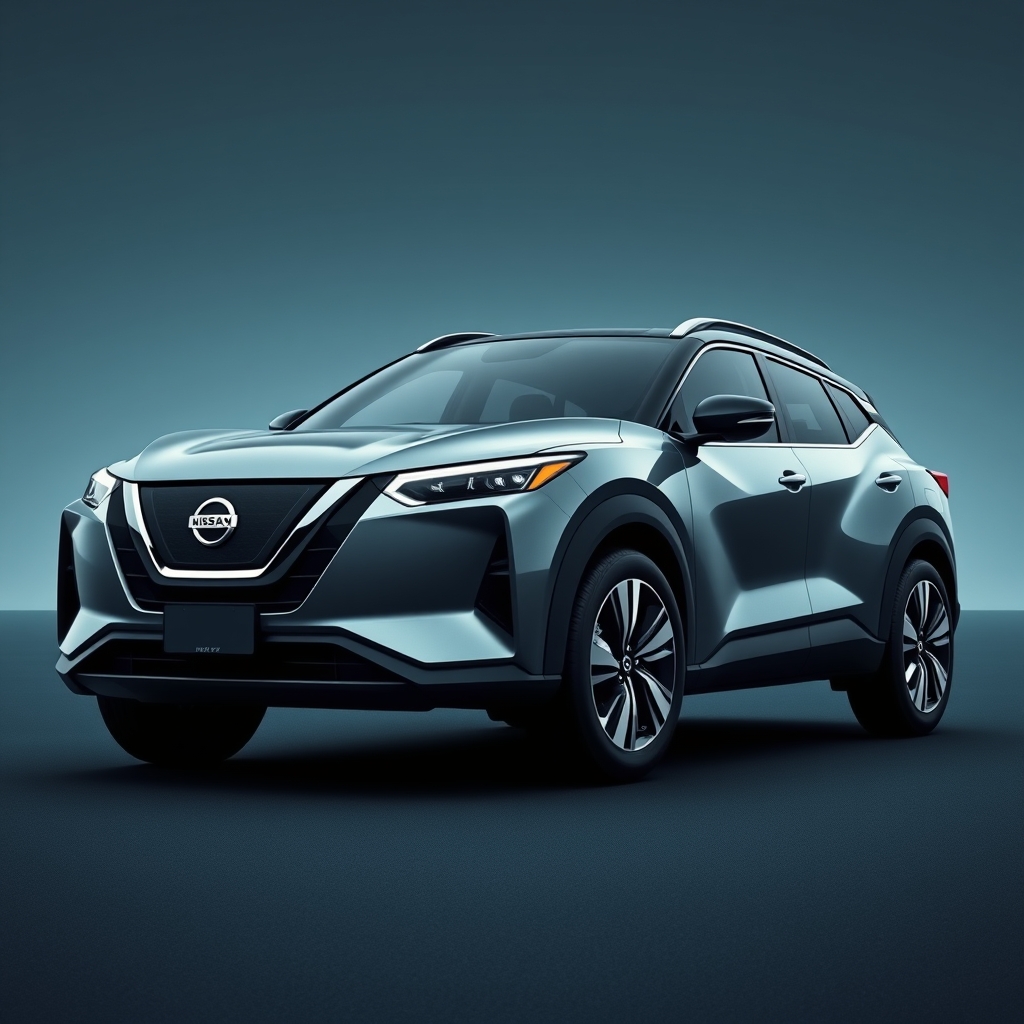
Dongfeng Nissan opened the early‑order window for its upcoming NX7 plug‑in hybrid (PHEV) on Tuesday, announcing a base price of $20,000 and an official electric‑only range of up to 320 km (about 198 miles) thanks to a 40 kWh lithium‑iron‑phosphate (LFP) battery pack.
The 40 kWh LFP pack delivers a nominal 250 km (155 miles) on the WLTP cycle, but Nissan’s proprietary energy‑management software pushes the usable capacity to 320 km under real‑world conditions. The vehicle pairs the battery with a 150 kW electric motor and a 1.5‑liter gasoline engine that can act as a range extender, allowing the NX7 to travel more than 800 km (500 miles) before refueling.
Priced well below the $30,000 threshold that many analysts consider the tipping point for mass‑market electric adoption, the NX7 arrives as China’s “dual‑credit” policy rewards manufacturers that sell low‑emission cars. Competitors such as BYD’s Dolphin and Volkswagen’s ID.3 are priced between $22,000 and $28,000, making Nissan’s offering one of the most aggressive price‑to‑range ratios in the segment.
Industry observers expect the NX7 to pressure rivals into lowering prices or increasing battery capacity, thereby accelerating the overall shift toward electrified fleets. Moreover, the use of LFP chemistry sidesteps cobalt‑related supply‑chain risks, aligning the model with sustainability goals set by both the Chinese government and global investors.
Production is slated to begin at Nissan’s Shenyang plant in early 2027, with the first deliveries targeted for the fourth quarter of that year. Nissan has pledged to expand the charging network in partnership with state‑owned utilities, but the success of the NX7 will still hinge on consumer confidence in plug‑in hybrids and the rollout of fast‑charging stations across tier‑2 cities.