Nuro Initiates Driverless Testing of Lucid Gravity Robotaxis in Bay Area, Pushing Public Launch to 2027
Nuro begins driverless testing of Lucid Gravity robotaxis in the Bay Area, with the public launch now expected in Q1 2027.
S
··2 min readSciTech Editorial Team
Newsroom
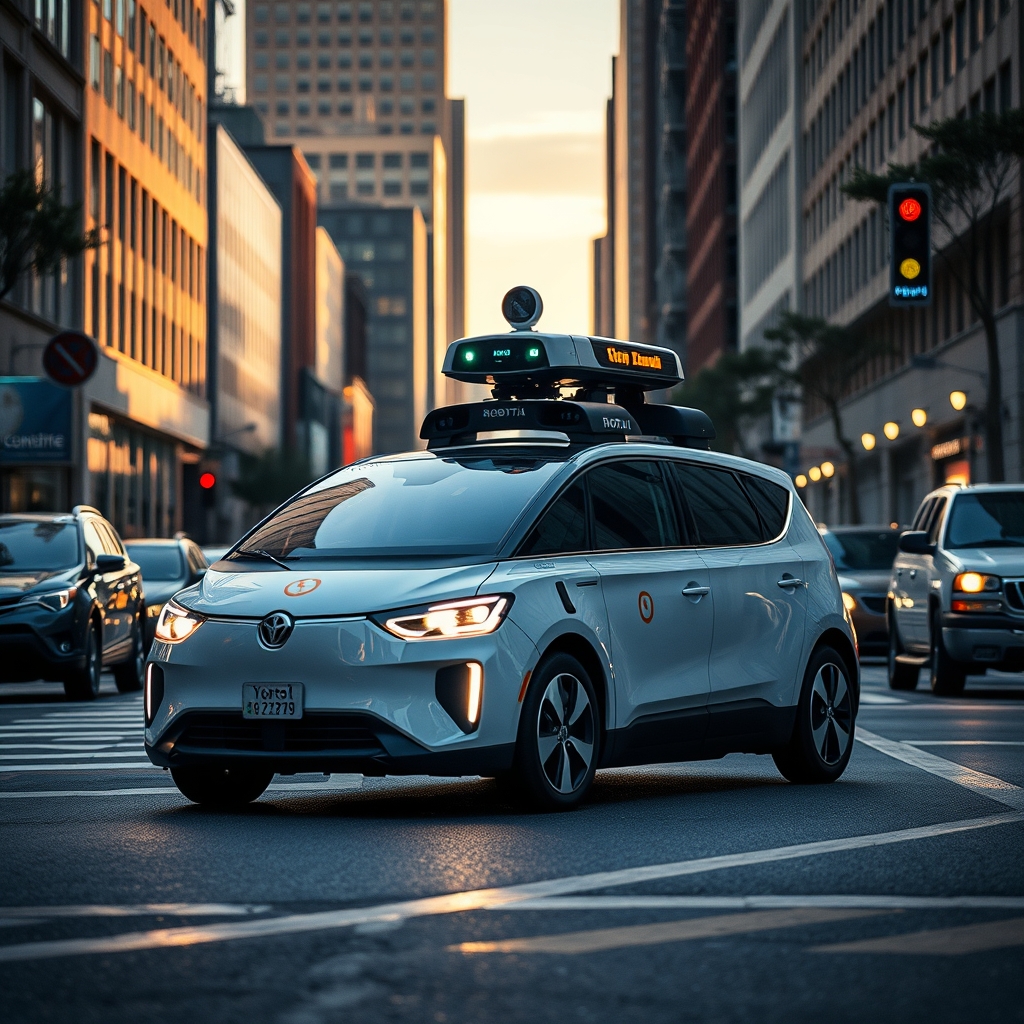
In a significant milestone for the autonomous vehicle industry, Nuro has commenced driverless testing of the Lucid Gravity robotaxis on public roads within the San Francisco Bay Area. This initiative marks the most substantial advancement yet in the strategic partnership between Nuro, Uber, and Lucid, signaling a decisive shift from supervised to fully autonomous operations. The testing phase is currently underway in four key cities across the Peninsula and South Bay, utilizing a dedicated fleet of over 100 Gravity SUVs specifically delivered by Lucid for this program. By removing safety drivers from the vehicle, Nuro is validating the real-world reliability and safety protocols of its autonomous stack in complex urban environments.
The technical execution of this deployment relies on the advanced sensor suite and computing architecture integrated into the Lucid Gravity platform. The collaboration leverages Nuro’s proprietary autonomous driving software, which has been rigorously tested in various conditions, to navigate the dynamic traffic patterns of the Bay Area. This phase is critical for gathering data on edge cases and system responses without human intervention, ensuring that the technology meets the stringent safety standards required for public release. The involvement of Uber in this pipeline suggests a direct pathway to commercial integration, where the robotaxis will eventually serve as a core component of Uber’s mobility network.
However, alongside the technical progress, the partnership has issued a more cautious timeline for full-scale public availability. While the public launch was originally anticipated for 2026, current projections indicate that the general release is now expected in the first quarter of 2027. This adjustment reflects the industry’s growing emphasis on thorough validation and regulatory compliance before scaling operations. The delay allows for additional data collection and system refinements, ensuring that the service is robust enough to handle the demands of a large-scale commercial rollout without compromising safety.
The broader implications of this delay and the ongoing testing phase highlight the complex interplay between technological readiness and market expectations in the autonomous vehicle sector. As Nuro, Uber, and Lucid navigate these challenges, the focus remains on establishing a trusted and efficient robotaxi service that can redefine urban transportation. The next milestones will likely involve expanding the testing zones and integrating the vehicles into Uber’s app for limited public trials, paving the way for a wider adoption in 2027.