Nvidia CEO Jensen Huang Resigns Amidst Alleged Chinese Spy Scandal and AI Chip Tensions
Jensen Huang resigns as Nvidia CEO amid allegations of ties to a Chinese spy, sparking a crisis in global AI chip security and US-China tech relations.
S
··2 min readSciTech Editorial Team
Newsroom
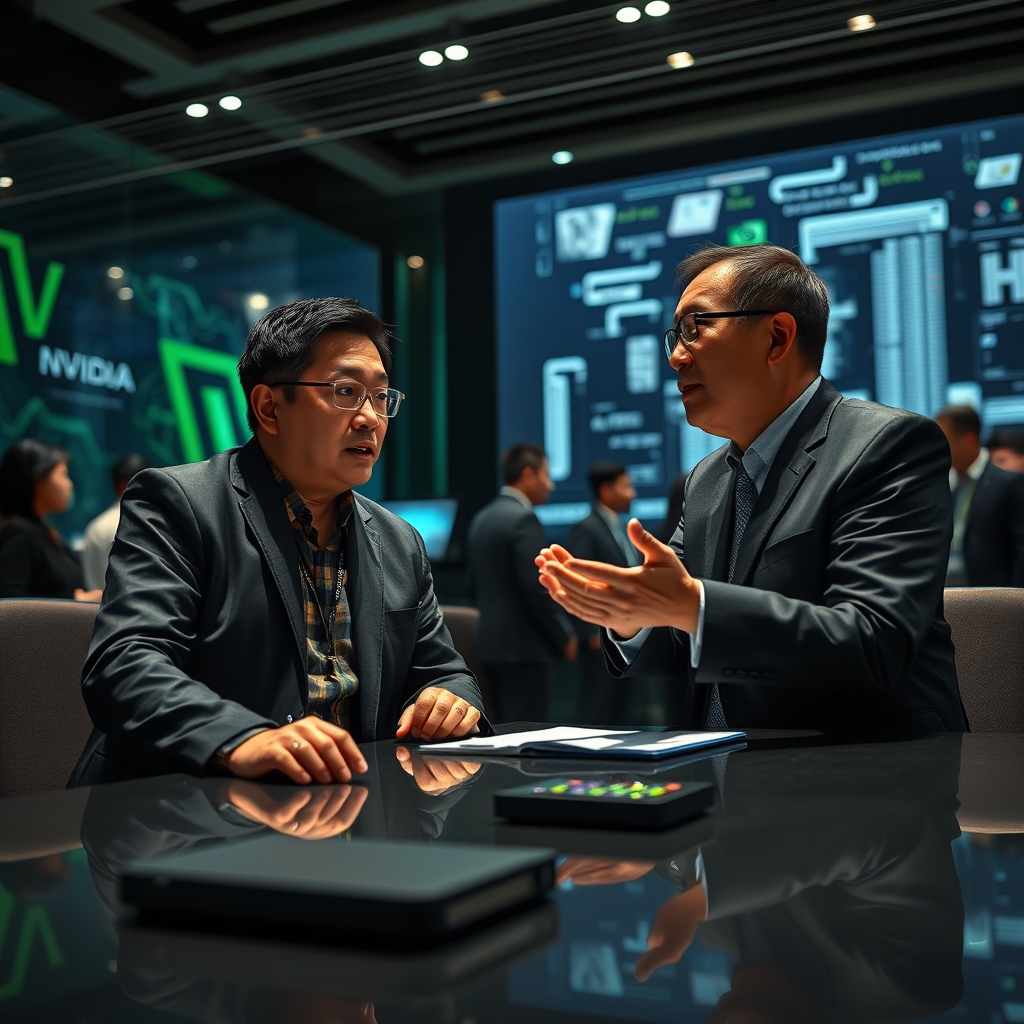
In a dramatic turn of events that has sent shockwaves through the global technology sector, Jensen Huang has officially resigned from his position as CEO of Nvidia. The resignation comes in the wake of a swirling scandal involving allegations that Huang maintained close ties with Alice Huang, an individual the US intelligence community believes may be an asset for Chinese intelligence services. This development threatens to engulf the company, which serves as the backbone of the current AI financial ecosystem, forcing an immediate and complex restructuring of its leadership and operational strategy.
The core of the controversy centers on the firm Megaspeed, an Nvidia customer that built a data center in Malaysia and is alleged to have ties with Chinese companies. Reports suggest Megaspeed may have acted as a conduit for Chinese AI firms to access cutting-edge Nvidia chips, such as the Blackwell series. Kyle Chan, a foreign policy fellow at the Brookings Institution’s John L. Thornton China Center, notes that while the details remain murky, the US government has been deeply concerned about the potential leakage of proprietary technology and strategic insights to Beijing.
From a technical standpoint, the implications extend beyond mere espionage. For years, Chinese AI companies have been heavily dependent on Nvidia’s hardware and the CUDA software ecosystem to train and run their models. However, under the pressure of US export controls, Beijing has increasingly pushed domestic firms to pivot toward Huawei and other local chipmakers. The goal is to establish a parallel, resilient supply chain that can withstand further policy actions from Washington. The alleged proximity of a spy to Huang raises the question of whether China sought not just hardware, but strategic influence over the architect of the world’s most powerful AI infrastructure.
The broader implications of this scandal are profound for the US-China AI race. While China has made strides in developing parallel technologies, such as DeepSeek’s R1 model, the lack of access to top-tier Nvidia chips has historically been a significant constraint. The resignation of Huang, who had approximately 60 direct reports and played a pivotal role in shaping the industry’s trajectory, marks a critical inflection point. It highlights the fragility of the current tech landscape, where geopolitical tensions and corporate governance are inextricably linked.
As Nvidia prepares for life after Huang, the industry faces an uncertain future. The incident underscores the high stakes involved in the global competition for AI supremacy. For Washington, it serves as a stark reminder of the vulnerabilities in export control regimes. For Beijing, it may signal a shift in strategy, focusing less on direct infiltration and more on accelerating domestic innovation. The coming months will be crucial in determining how this crisis reshapes the global AI landscape and the balance of power between the two tech giants.