Nvidia CEO Jensen Huang's Return Sparks National Security Alarm Over 'Too Big to Police' Precedent
Nvidia’s reinstatement of CEO Jensen Huang despite ongoing national security investigations has sparked warnings that the company is now 'too big to police,' undermining US export control integrity.
S
··2 min readSciTech Editorial Team
Newsroom
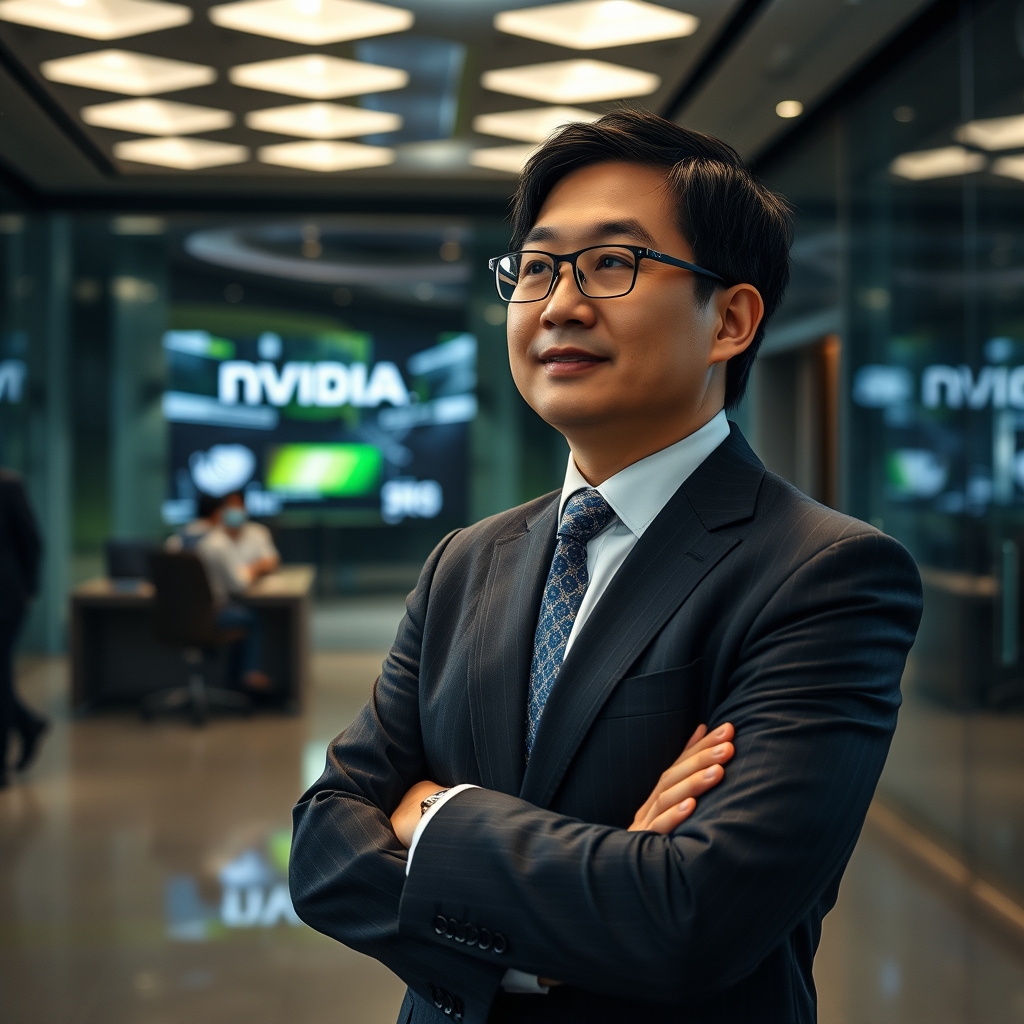
The reinstatement of Jensen Huang as CEO of Nvidia has triggered a profound crisis of confidence among US national security experts, who warn that the chipmaker has become too economically vital for the government to hold accountable for potential security lapses. This decision, made just 11 days after Huang’s resignation amid revelations of extramarital affairs involving a woman suspected of ties to China’s Ministry of State Security, signals a troubling shift in Washington’s approach to technology sovereignty. Experts argue that by prioritizing market stability over rigorous counterintelligence protocols, the administration may be inadvertently empowering Beijing’s strategic objectives in the tech sector.
The board’s decision was heavily influenced by direct lobbying from President Donald Trump, who cited Nvidia’s falling share price as a primary motivator. Crucially, the board acted before its internal investigation concluded and while the Department of Justice was pursuing a criminal probe into Megaspeed, a Singapore-based company previously run by Alice Huang. Despite these ongoing legal and intelligence concerns, the board cited input from senior US government officials to justify Huang’s return, asserting that he poses no national security risk. This move has drawn sharp criticism for bypassing standard due diligence procedures in favor of political and commercial expediency.
Security analysts emphasize that the precedent set by Huang’s return is more damaging than the individual case itself. Tahlia Peterson, a research fellow at the Royal United Services Institute, warns that if intelligence assessments are perceived to be overridden for political or commercial reasons, it undermines long-term confidence in the independence of national security institutions. Edward Fishman of the Council on Foreign Relations draws a parallel to the slow enforcement of financial sanctions, noting that the tech sector lacks a comparable history of aggressive compliance, leaving US export controls weak and leaky. The rapid reinstatement suggests that meaningful enforcement of these controls remains elusive.
The administration’s track record further complicates the narrative, as it has repeatedly failed to enforce its own export controls over the past year. Emily Kilcrease of the Center for a New American Security argues that the government’s assurances to the board should not be taken at face value given this history of accommodation toward China. While the Commerce Department recently added Megaspeed to its trade blacklist, critics argue this was a reactive measure under pressure rather than a proactive enforcement strategy. The core question remains whether the intelligence community conducted a thorough counterintelligence damage assessment or if the decision was purely political, a distinction that lawmakers are now pressing to clarify.
Ultimately, the episode highlights a growing tension between economic imperatives and national security in the US-China tech rivalry. Whether or not Huang personally violated laws, the potential for Beijing to have gained insights into Nvidia’s chip designs or private communications with the White House remains a critical concern. As the investigation continues, the lack of transparency regarding the basis for the government’s assurances leaves a significant gap in public understanding of the risks involved. This incident serves as a stark reminder that in the modern geopolitical landscape, corporate influence can sometimes eclipse traditional security protocols, with potentially far-reaching consequences for US technological dominance.