Protesters Storm Microsoft Data Center Construction Site in Amsterdam Amidst European AI Backlash
Protesters breached a Microsoft data center site in Amsterdam, highlighting a growing European backlash against AI infrastructure expansion.
S
··2 min readSciTech Editorial Team
Newsroom
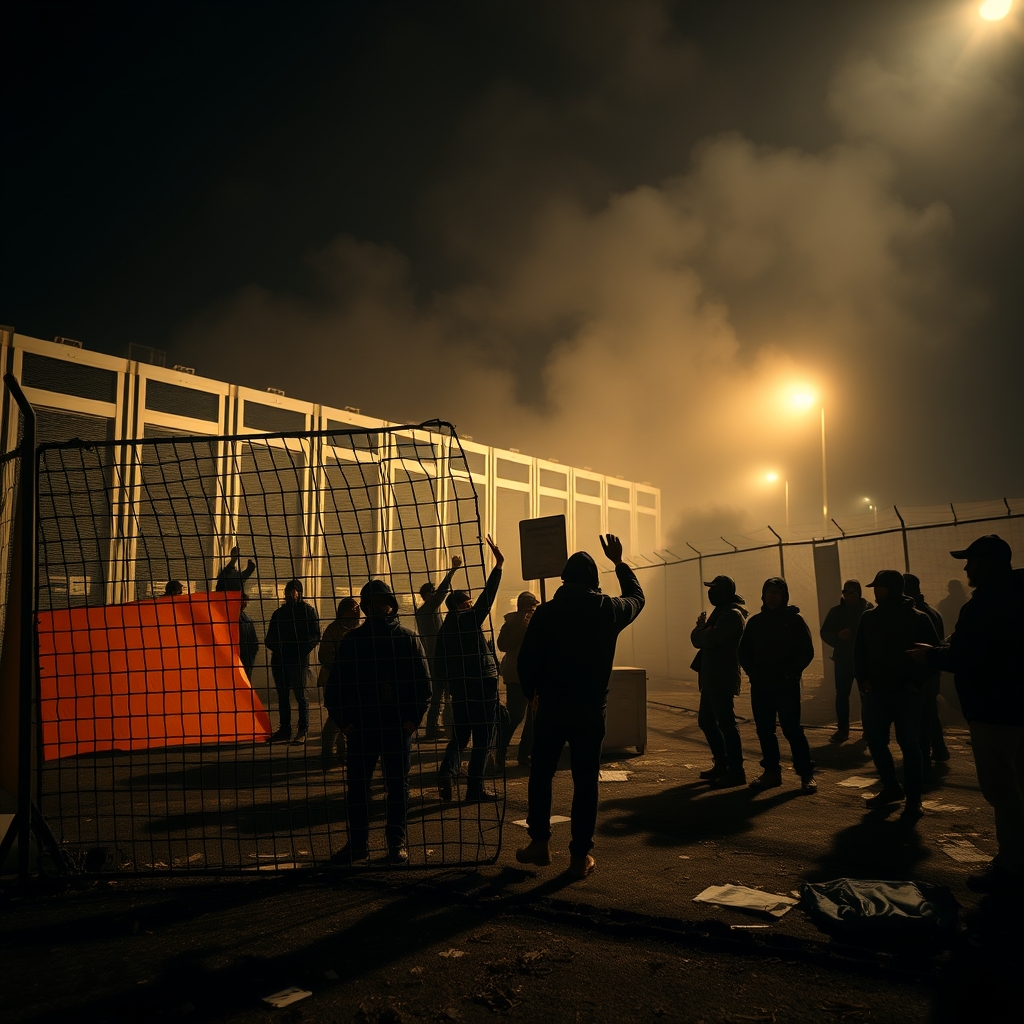
In a dramatic escalation of tensions surrounding the rapid expansion of artificial intelligence infrastructure, members of the activist group Geef Tegengas successfully breached the construction site of a new Microsoft data center in Amsterdam this morning. The incident marks a significant turning point in the growing European resistance against large-scale data center projects, highlighting the intensifying conflict between tech giants and local communities concerned about environmental and social impacts. Approximately 100 protesters managed to enter the site, with some scaling a crane to unfurl a banner reading “fuck AI,” while others displayed a placard stating “Microsoft powers genocide” and chanted slogans such as “Microsoft has got to go” and “free Palestine.”
The targeted facility is set to house three 85-meter data center towers on the outskirts of Amsterdam, with Microsoft designated as the sole tenant. This project, originally planned as far back as 2016, has proceeded despite a city-wide ban on new data centers implemented until 2030 following a temporary stop announced at the end of 2023. The British developer, Pure Data Centres, which is constructing the site, has navigated regulatory loopholes to reach the current construction stage. This legal maneuvering has fueled public outrage, as critics argue that the project undermines local environmental protections and community well-being.
This protest in Amsterdam is part of a broader wave of activism across Europe and the United States. In Dublin, activists staged a mock Israeli military checkpoint outside a Microsoft data center earlier this week, while US voters have recently rejected unrestrained data center development in local referendums. The opposition stems from deep-seated concerns regarding the massive energy consumption of AI data centers and their potential to exacerbate climate change, alongside ethical debates over the use of such technologies in conflict zones.
Microsoft has faced a series of challenges related to its data center expansion plans. Last month, the company abandoned its largest data center project in the UK after local electricity grid officials confirmed that the site would not receive power until the 2030s. Additionally, the company has dealt with internal dissent, including protests by former employees and disruptions at major corporate events, such as the Build developer conference, where critics accused Microsoft’s AI leadership of being “war profiteers.” These events underscore the increasing scrutiny Microsoft faces from both external activists and its own workforce.
As the debate over the societal and environmental costs of AI infrastructure intensifies, the Amsterdam incident serves as a stark reminder of the growing friction between technological advancement and public consent. The coming months will likely see further confrontations as tech companies push to expand their digital footprint, while communities and regulators demand greater accountability and sustainability in the deployment of critical digital infrastructure.