Remedy Robotics Tests Tele-Surgery to Deliver Stroke Care to Remote Hospitals
Remedy Robotics is testing its N1 System to enable remote stroke surgeries, aiming to bridge the critical care gap for patients in rural areas who lack timely access to thrombectomies.
S
··2 min readSciTech Editorial Team
Newsroom
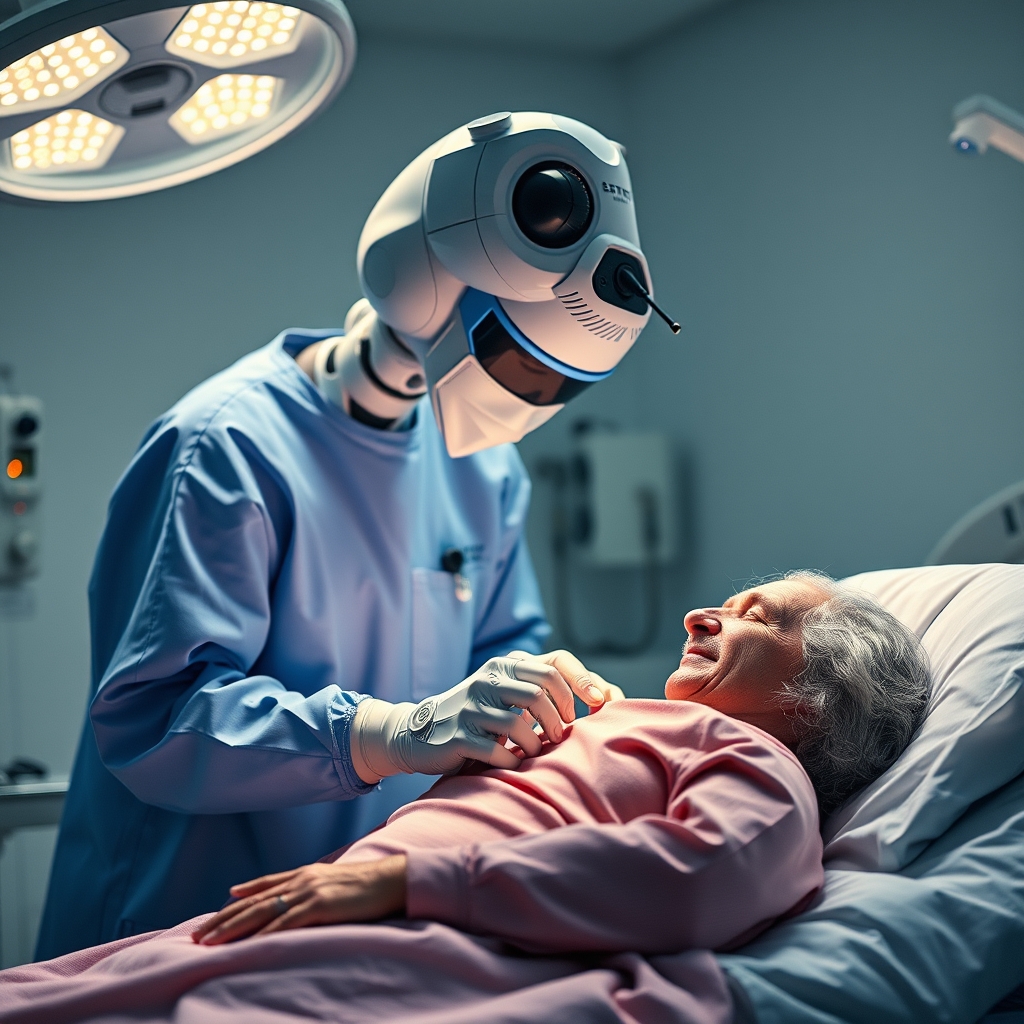
In a groundbreaking shift for emergency medicine, Remedy Robotics is testing the feasibility of performing complex stroke surgeries from remote locations. The company’s N1 System is designed to address a critical gap in healthcare: the inability of rural and remote hospitals to provide timely thrombectomies for acute ischemic strokes. By enabling surgeons to operate via a robotic console located elsewhere, the system aims to save the millions of brain cells that die every minute a stroke goes untreated. This initiative represents a significant step toward democratizing access to specialized neurosurgical care.
The technical architecture of the N1 System relies on a robotic arm equipped with motorized cartridges and actuators that precisely control a flexible catheter. Unlike traditional robotic instruments, the N1 is optimized for the 'blind' nature of thrombectomy, where surgeons navigate through blood vessels using only live X-ray feeds. The system allows for smoother, more precise movements, reducing the physical strain on the surgeon and minimizing the risk of damaging delicate artery walls. Cofounder David Bell emphasizes that the goal is not merely ergonomic comfort, but clinical efficacy in reaching patients who would otherwise lose critical time during transfer.
The clinical context underscores the urgency of this innovation. Ischemic stroke, caused by restricted blood flow, affects at least 5 million people globally each year. Currently, only about one in ten eligible patients receives a thrombectomy, largely due to logistical barriers in remote areas. The N1 System seeks to close this gap by allowing a specialist surgeon to intervene instantly, regardless of their physical location. This approach transforms the traditional model of patient transfer to a center of excellence into a model of expertise transfer to the patient.
However, the path to widespread adoption is fraught with challenges. Implementing telesurgery requires robust communications infrastructure, seamless integration into hospital workflows, and rigorous clinical evidence proving patient benefit. While the technology promises to overcome geographical limitations, it also raises questions about liability, network latency, and the training of operators. Remedy Robotics is currently conducting remote tests on a small group of patients to gather the necessary data. If successful, this technology could redefine emergency stroke care, turning a race against time into a manageable, precise procedure accessible to all.