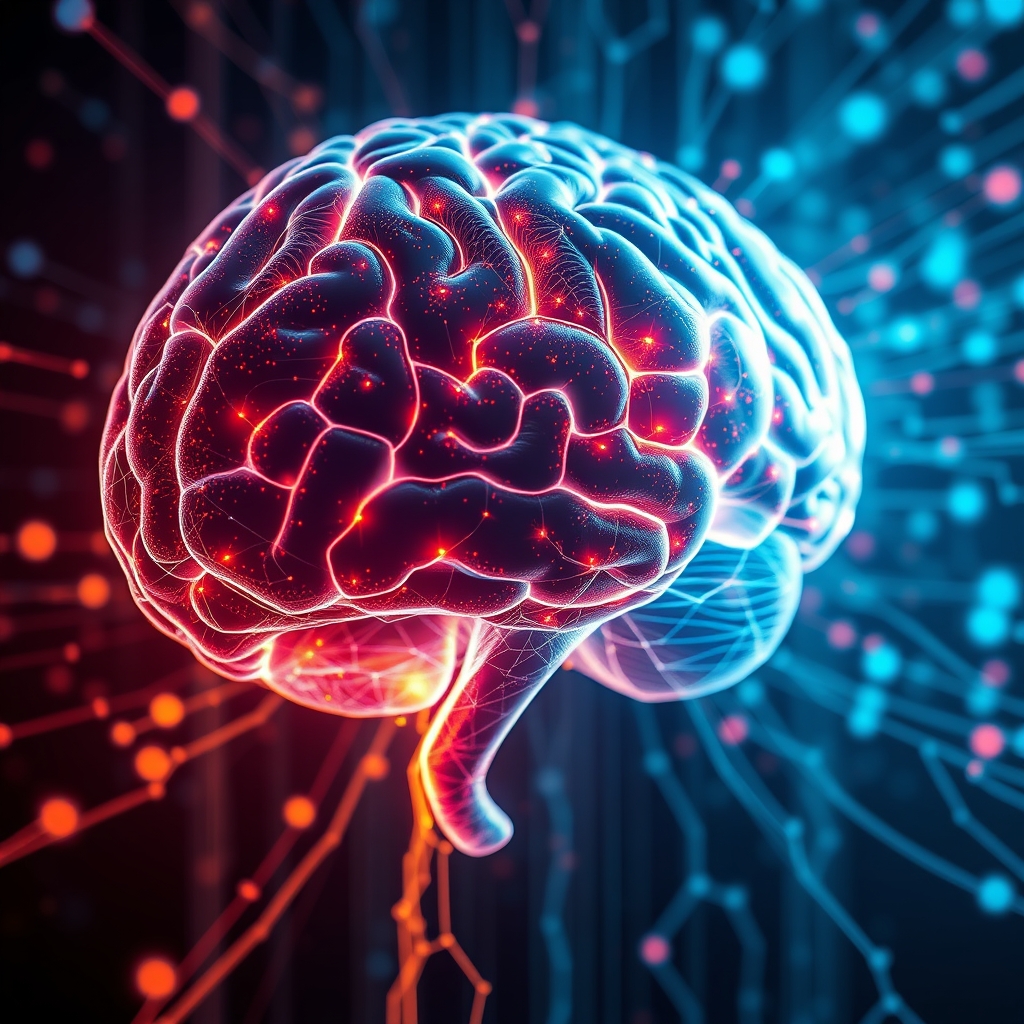
Scientists Debate Paths to Cognitive Immortality at MIT Technology Review Roundtables
MIT Technology Review’s roundtable explored brain‑replacement and memory‑uploading as routes to cognitive immortality, highlighting both breakthrough potential and ethical hurdles.
S
··1 min readSciTech Editorial Team
Newsroom
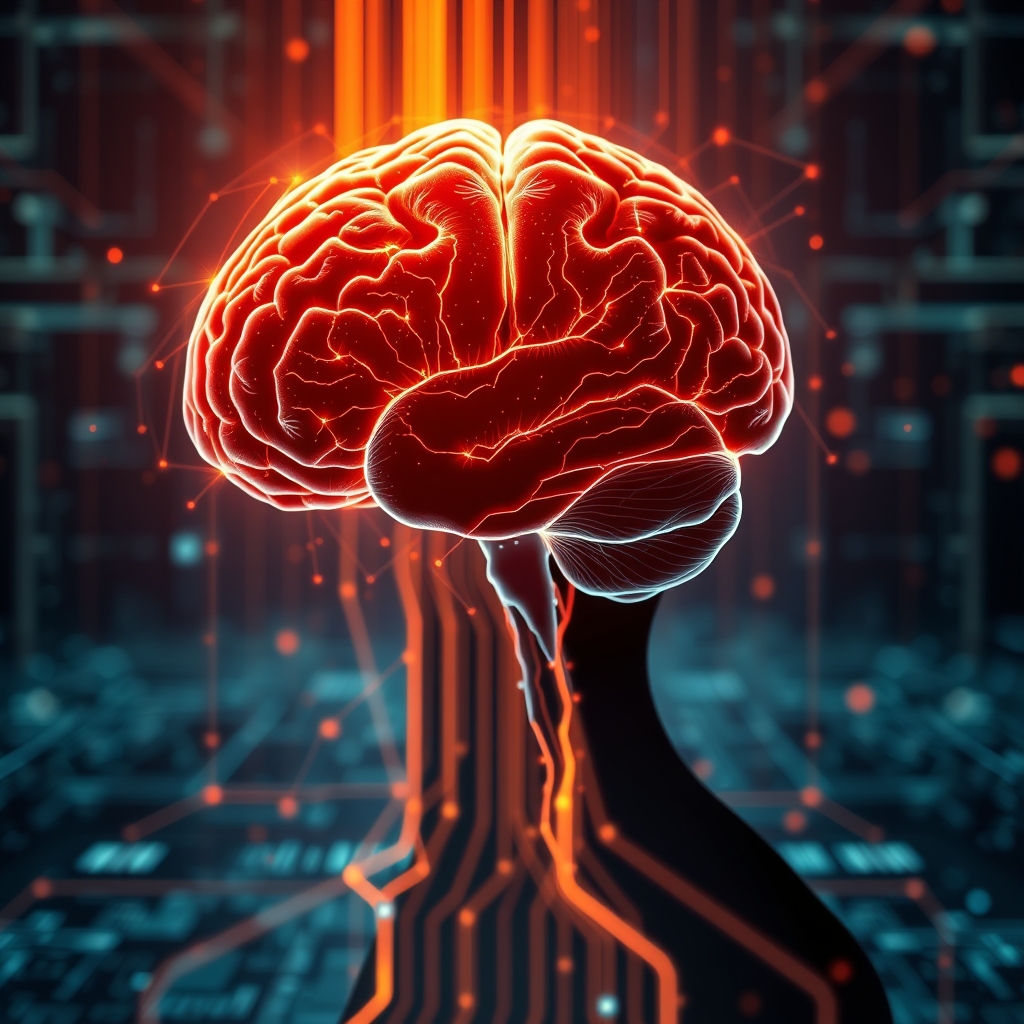
On Tuesday, November 17, 2026, MIT Technology Review convened a high‑profile roundtable that brought together leading neuroscientists and AI researchers to examine the prospect of cognitive immortality. The discussion was hosted by science editor Mary Beth Griggs and senior biomedicine editor Antonio Regalado, and it centered on whether the brain can continue to function after death.
The panel outlined two primary technical avenues. The first, gradual brain replacement, relies on nanotechnologies that rebuild neuronal circuits using injectable neural scaffolds that integrate with the skull. The second, memory uploading, employs deep‑learning models to translate the brain’s electrical patterns into digital data that can be stored in quantum cloud computing platforms. Both approaches aim to capture the mind’s information architecture with unprecedented fidelity.
Griggs expressed optimism, noting, "Achieving a 99.7 % fidelity in neural signal replication would open a new frontier for reviving consciousness." Regalado, however, warned of ethical pitfalls, adding, "We must establish clear legal frameworks before any human trials can proceed."
If either pathway succeeds, the implications could reshape aging and neurodegenerative disease treatment, allowing patients to retain their personal identity within an artificial substrate. Moreover, a market for personal memory vaults could emerge, turning subjective experiences into secure digital assets.
Nevertheless, formidable hurdles remain. Technically, algorithms must process trillions of neuronal spikes in real time, while ethically society must grapple with questions of "replicated identity" and "brain‑data ownership." Experts anticipate the first clinical trials may not begin until around 2032, pending regulatory approval and further breakthroughs in both hardware and software.