SpaceX Achieves First ‘Chopstick’ Capture of Starship Using Mechazilla Tower
SpaceX captured Starship with its Mechazilla tower using the chopstick maneuver for the first time, marking a pivotal step toward fully reusable launch systems.
S
··1 min readSciTech Editorial Team
Newsroom
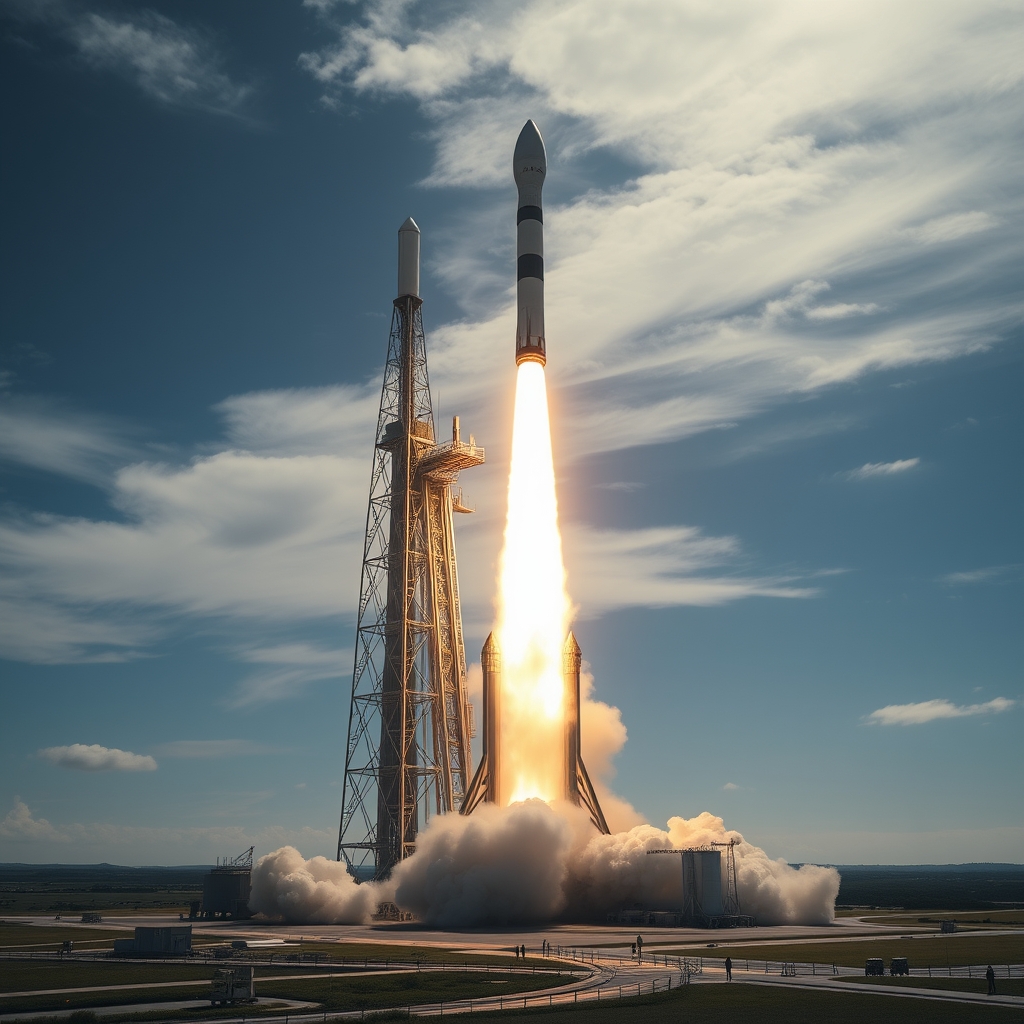
SpaceX announced on Nov. 14, 2026 that it had, for the first time, captured the Starship vehicle with its launch‑and‑catch tower, nicknamed “Mechazilla”, using the so‑called “chopstick” maneuver. The successful hook marks the inaugural application of the technique to the massive Starship, a step that could dramatically accelerate the company’s goal of rapid‑turnaround, fully‑reusable launch systems.
The “chopstick” catch, previously demonstrated only on the Falcon‑9 first‑stage boosters, involves two long, articulated arms that close around the descending vehicle like a pair of oversized chopsticks. In the recorded flight, Starship descended through a cloud‑filled sky, performed a controlled vertical flip, and slipped neatly between the waiting arms of Mechazilla at roughly 4:20 p.m. ET, as shown in the released video.
The achievement follows an aborted attempt to catch the booster of Starship Flight 15, during which the booster detonated over the Gulf of Mexico. Elon Musk, speaking on the company’s third‑quarter earnings call, cautioned that “success is not guaranteed on these first flights, but I’d say it’s more likely than not that this succeeds next flight,” underscoring both the difficulty and the optimism surrounding the program.
Although the vehicle was not fully recovered—the orbital section of Starship remains in the ocean—the partial capture is hailed as a milestone. Engineers now have concrete data on the dynamics of a full‑scale Starship re‑entry, which will inform refinements to the tower’s grip strength, timing algorithms, and the ship’s aerodynamic control surfaces.
SpaceX continues to investigate the cause of the booster abort, but the successful “chopstick” hook suggests that the obstacle is technical rather than conceptual. Industry analysts predict that a reliable Starship catch could slash turnaround times to days, lower launch costs, and open the door to ambitious missions ranging from lunar landings to Mars colonization.