SpaceX’s Starship Completes Orbital Flight but Booster Catch Aborted Ahead of First Recovery Attempt
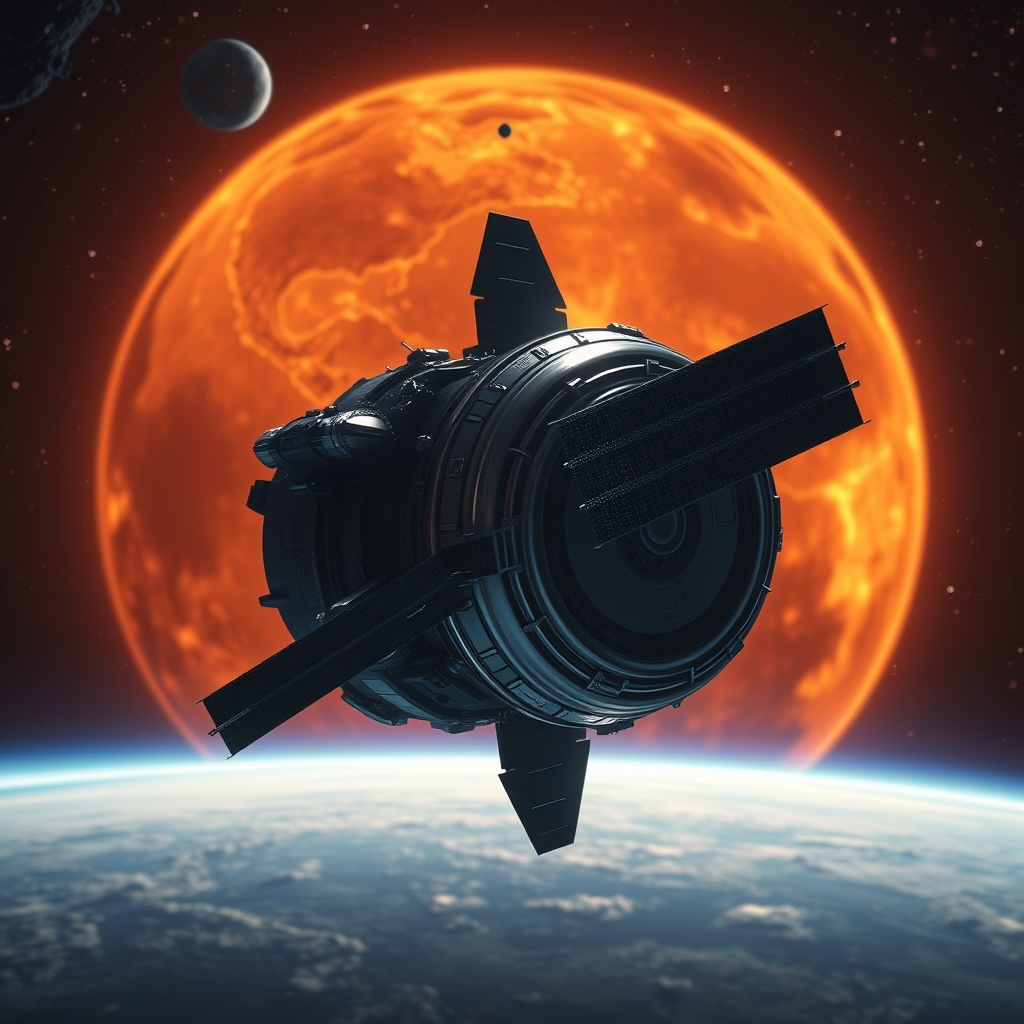
SpaceX’s Starship stayed healthy in orbit and was set to land in Texas on Saturday, but an unexpected wind forced the booster‑catch attempt to be aborted.
S
··2 min readSciTech Editorial Team
Newsroom
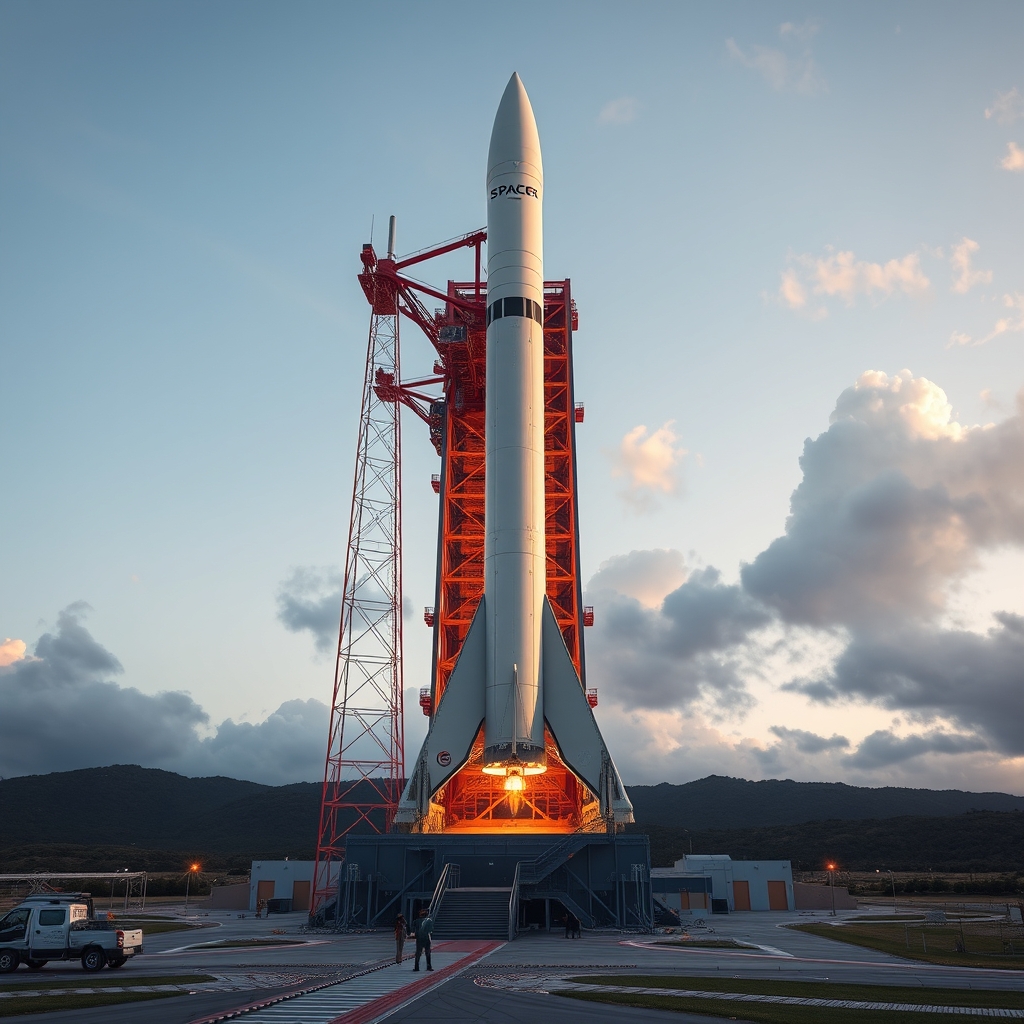
SpaceX announced today that its Starship spacecraft, currently circling the Earth, was "healthy" and on schedule to touch down at the company's Texas launch site on Saturday. The mission marked the first attempt to recover the vehicle by catching its Super Heavy booster with a ground‑based net, a maneuver that could redefine launch economics.
During its orbital phase, Starship maintained an altitude of roughly 200 kilometres and completed a 90‑minute orbit with a velocity of about 7.8 km/s. Telemetry streams showed nominal performance across propulsion, thermal protection, and avionics systems, confirming the vehicle's structural integrity after more than 30 minutes of micro‑gravity exposure.
The planned recovery relied on SpaceX's innovative catch system – a massive steel net, dubbed the "catch platform," suspended beneath a purpose‑built ship. Sensors on the Super Heavy booster were to trigger a precise descent trajectory, allowing the net to snatch the booster before it impacted the ocean. However, an unexpected gust of wind combined with a minor discrepancy in the booster’s navigation data forced the flight computer to abort the catch, opting for a conventional splash‑down instead.
Elon Musk, founder and chief engineer of SpaceX, commented, "The vehicle performed exactly as we designed it to. While we are disappointed that the catch didn't happen, the data we gathered will accelerate the next iteration of the recovery system." Lead propulsion engineer Dr. Maya Patel added, "The abort decision was made autonomously by the onboard safety algorithms, which prioritized the booster’s integrity above all else."
If successful, the catch technique would dramatically lower launch costs by eliminating the need to refurbish boosters that land in seawater. It also paves the way for more ambitious missions, including lunar landings under NASA's Artemis program and eventual crewed voyages to Mars.
SpaceX now plans to analyze the telemetry from the aborted catch, reinforce the net’s tensioning mechanisms, and schedule another integrated test in early 2027. The company remains confident that the next attempt will achieve a full‑cycle recovery, cementing Starship’s role as the workhorse of future deep‑space exploration.