Super El Niño Warning: Experts Urge Urgent Upgrades to Global Ocean Monitoring
In a critical intervention published in Nature, climate scientist Zeke Hausfather has issued a stark warning that governments must immediately prepare
S
··1 min readSciTech Editorial Team
Newsroom

In a critical intervention published in Nature, climate scientist Zeke Hausfather has issued a stark warning that governments must immediately prepare for what could be the most severe El Niño event in recorded history. This 'super' El Niño is not merely a meteorological anomaly but a profound climate shock with cascading effects on global health and economic stability. The urgency of this warning demands that public authorities extend their preparedness strategies beyond traditional disaster response to include robust enhancements in ocean-observation systems.
The technical implications of such an extreme event are vast. As sea surface temperatures rise, the risk of extreme marine heatwaves increases, threatening marine biodiversity and fisheries. Hausfather emphasizes that current monitoring infrastructure is often insufficient to capture the rapid and severe changes in ocean dynamics. To address this, there is an immediate need for high-resolution data collection and advanced modeling capabilities that can predict the onset and intensity of these thermal events with greater accuracy.
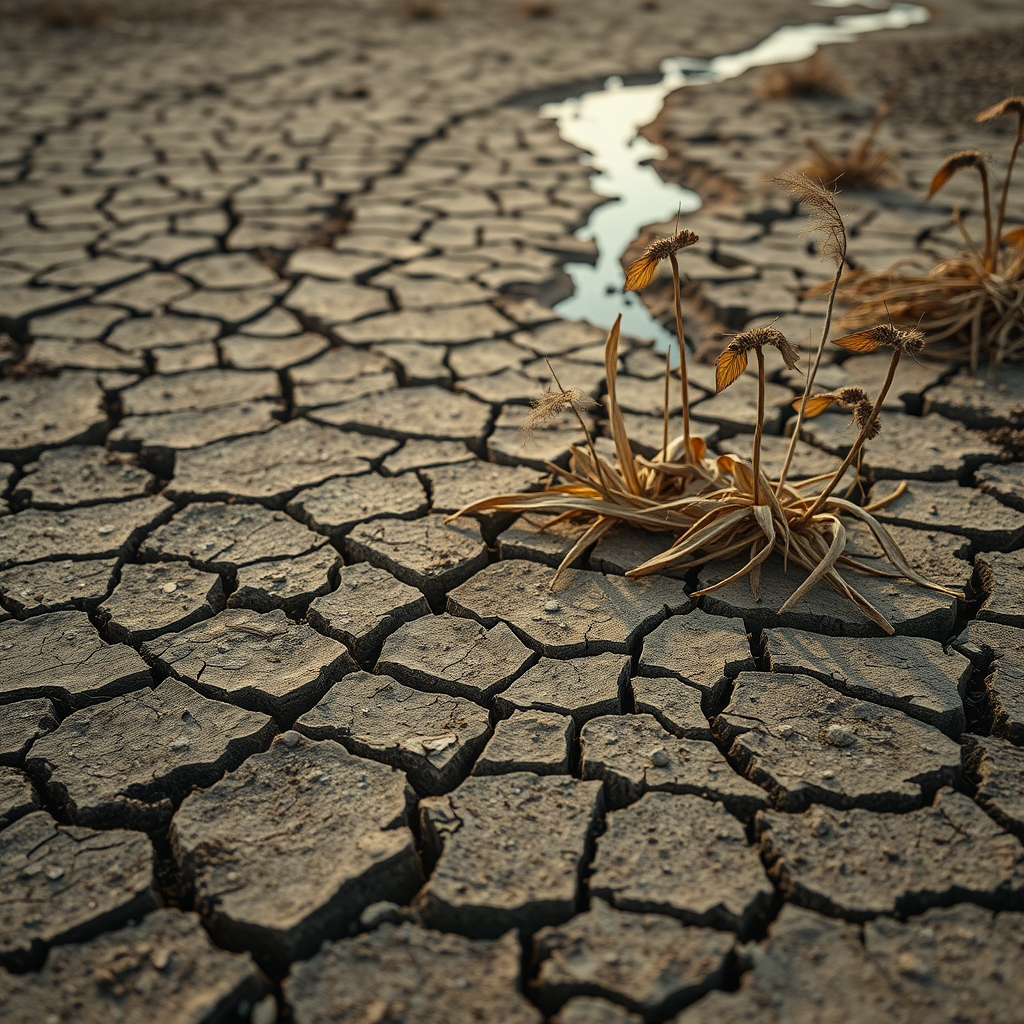
The broader implications of failing to act are severe. A super El Niño can disrupt weather patterns across continents, leading to droughts in some regions and catastrophic flooding in others. Furthermore, the health sector faces significant challenges as climate-sensitive diseases may spread more rapidly. The article highlights that the uncertainty surrounding US funding for key global oceanography projects adds another layer of complexity, potentially leaving a dangerous void in climate data collection.
Looking ahead, the scientific community is calling for a coordinated global effort to fill the data gaps left by political and financial uncertainties. This includes investing in satellite technology, in-situ sensors, and international data-sharing agreements. The next milestones must involve not just monitoring, but also developing adaptive strategies for communities most vulnerable to climate extremes. As the phenomenon builds, the window for effective preparation is narrowing, making immediate action imperative for global resilience.