Tesla FSD Engaged at 74 mph in Fatal El Dorado Hills Crash, NHTSA Data Reveals
NHTSA data reveals Tesla FSD was active at 74 mph in a fatal crash in El Dorado Hills, highlighting gaps in initial media reporting of driver-assist status.
S
··2 min readSciTech Editorial Team
Newsroom
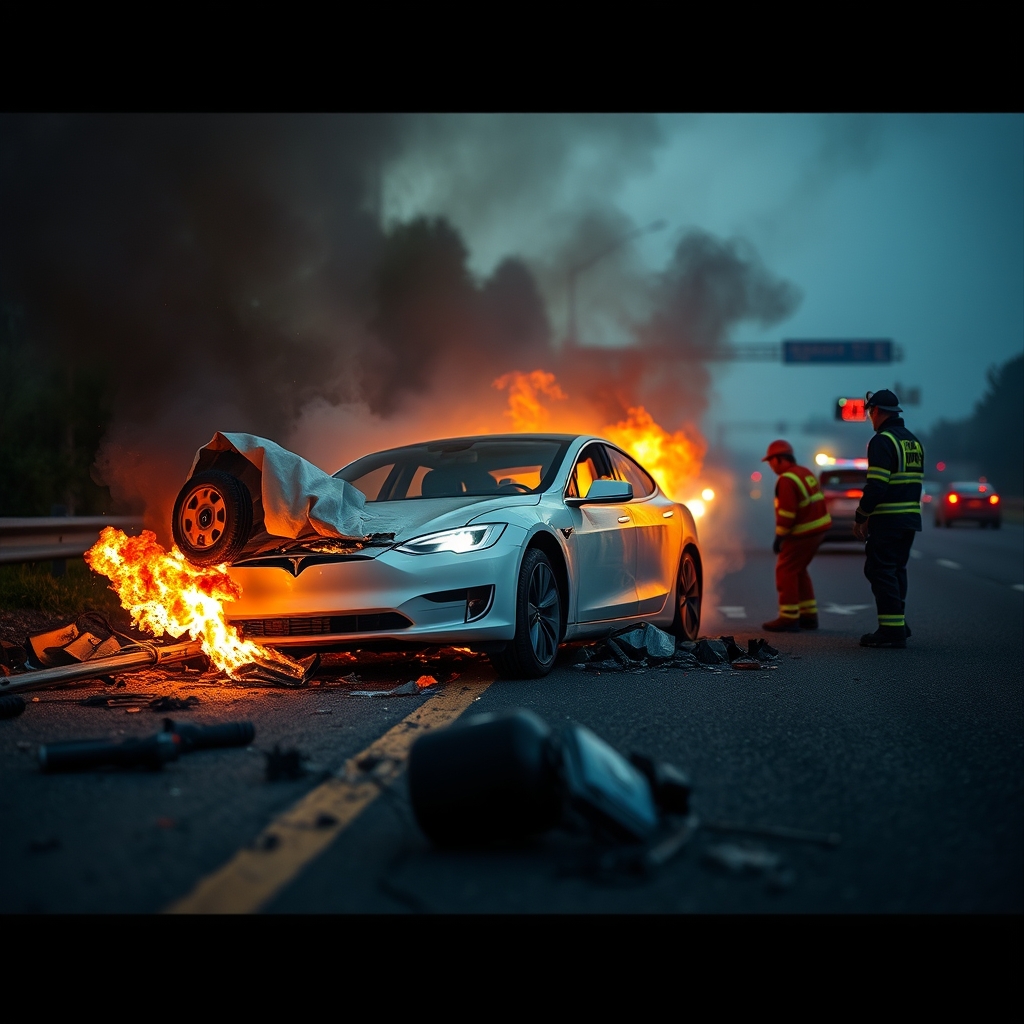
A Tesla Model Y left the roadway in El Dorado Hills, California, struck a tree, and burst into flames in September, resulting in the deaths of three of the four occupants. According to Tesla’s own report to federal regulators, the vehicle’s Autopilot or “Full Self-Driving” (FSD) system was engaged at the time of the incident, with the car traveling at a speed of 74 mph. This revelation highlights a critical gap between initial media coverage and the technical realities of the crash, as local news reports in the Sacramento area widely covered the event as a fiery single-car wreck without any mention of driver-assist systems being active.
The incident is the latest development in an ongoing investigation into fatal crashes where data regarding Tesla’s autonomous features is often obscured or omitted in initial public disclosures. The National Highway Traffic Safety Administration (NHTSA) data, which serves as the primary source for federal safety oversight, frequently lacks explicit details about the status of driver-assistance technologies unless specifically requested or revealed in subsequent regulatory filings. In this case, the speed of 74 mph combined with the engagement of FSD suggests a complex interaction between the vehicle’s automated capabilities and the environmental conditions that led to the departure from the roadway.
The technical specifics of the crash underscore the ongoing debate surrounding the reliability and safety of advanced driver-assistance systems (ADAS) in high-speed scenarios. While Tesla markets FSD as a capability that can handle a wide range of driving situations, the engagement of the system at 74 mph prior to a fatal collision raises significant questions about the system’s ability to recognize hazards, maintain lane discipline, and respond appropriately to unexpected obstacles such as trees. The fact that the car left the parkway while the system was active indicates a potential failure in the perception or decision-making algorithms that govern the vehicle’s path planning.
Broader implications of this incident extend beyond a single crash, pointing to systemic issues in how autonomous vehicle data is reported and interpreted by both manufacturers and regulatory bodies. The omission of driver-assist status in initial media coverage may lead to a skewed public understanding of the risks associated with these technologies. As the adoption of FSD and similar systems accelerates, the need for transparent, standardized reporting of crash data becomes paramount. Stakeholders, including consumers, regulators, and industry competitors, rely on accurate information to assess safety performance and make informed decisions about the deployment of autonomous technologies.
Looking ahead, this case is likely to fuel further scrutiny of Tesla’s safety protocols and data transparency practices. Regulatory bodies may push for more detailed disclosures in crash reports, requiring manufacturers to explicitly state the status of all active driver-assistance features at the time of an incident. For Tesla, the challenge lies in balancing the promotion of its technological advancements with the imperative to demonstrate robust safety performance. The company must address the concerns raised by this and similar incidents to maintain public trust and ensure that its autonomous systems meet the highest standards of reliability and safety in real-world driving conditions.