Tesla Opens Cybercab Personal Orders at $29,990, But $299/Mo Autonomy Fee and Geofencing Limit Utility
Tesla begins selling the Cybercab for personal use at $29,990, requiring a $299/month autonomy subscription and restricting operation to geofenced Robotaxi zones in Texas and Florida.
S
··2 min readSciTech Editorial Team
Newsroom
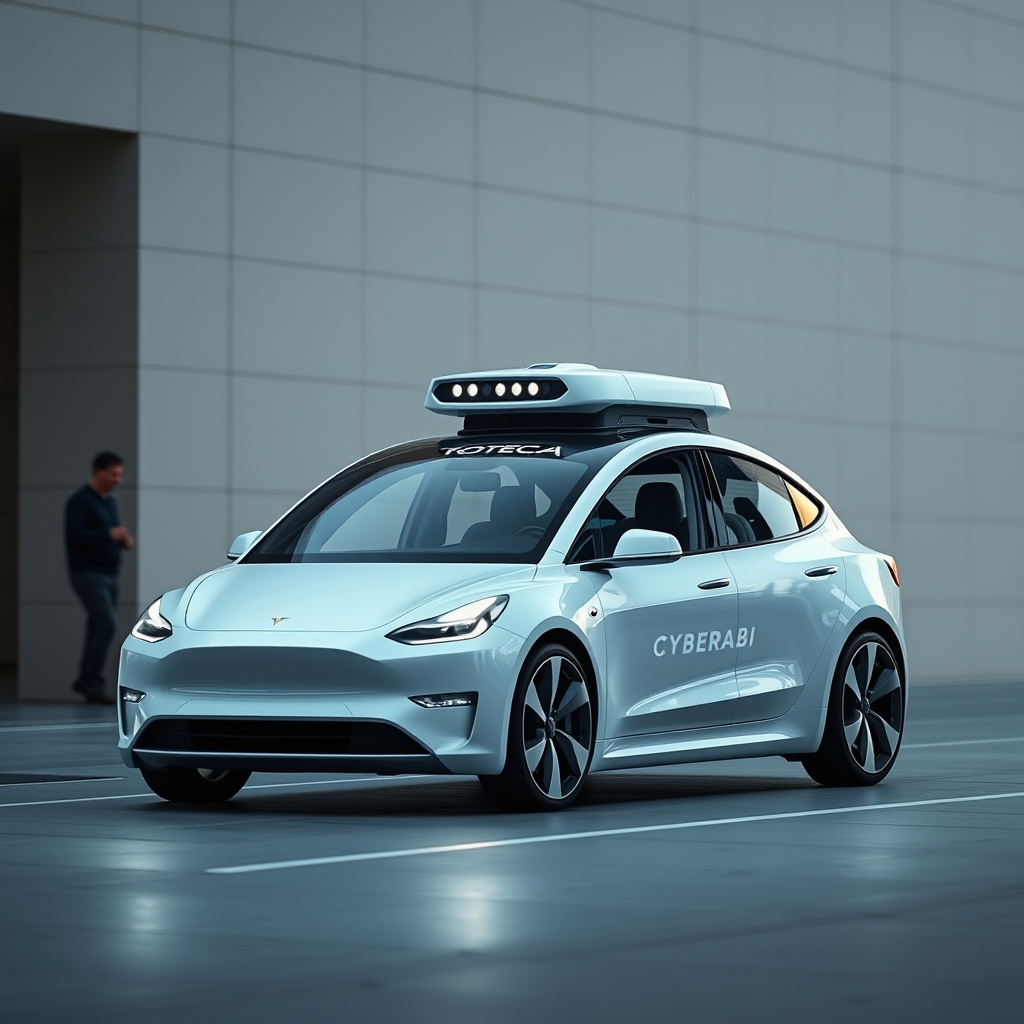
Tesla has officially launched a new era for its driverless fleet by inviting select customers to purchase the Cybercab for personal use. The vehicle is priced at $29,990, a significant reduction from earlier estimates, marking a pivotal shift in the company’s strategy to democratize autonomous mobility. However, this entry-level price tag comes with a substantial recurring cost: a mandatory $299 monthly "Autonomy Subscription" required to activate the car’s self-driving capabilities.
The technical implications of this model are profound, as the Cybercab is not a traditional vehicle but a specialized platform designed exclusively for Level 4/5 autonomy. Without the subscription, the car is effectively immobilized, highlighting Tesla’s move toward a service-oriented revenue model rather than a one-time hardware sale. This approach mirrors the software-as-a-service trends seen in other tech sectors, ensuring a steady cash flow while refining the autonomous stack through real-world data.
Crucially, the operational scope of the Cybercab is strictly limited by geofencing technology. The vehicle will only function within Tesla’s designated Robotaxi service areas, currently concentrated in Texas and Florida. Reports indicate that these operational zones are significantly smaller than the expansive maps advertised in Tesla’s promotional materials, raising questions about the practical utility for owners who live outside these specific corridors.
This launch represents a critical milestone in the commercialization of autonomous vehicles, yet it also exposes the current limitations of the technology. By restricting personal ownership to specific geofenced zones, Tesla mitigates liability risks while gathering vital data to expand its network. For consumers, the Cybercab offers a glimpse into the future of car ownership, but the combination of high monthly fees and geographic restrictions suggests that true, unrestricted personal autonomy remains a work in progress.
As Tesla prepares to scale production, the success of this pilot program will hinge on customer adoption rates and the speed at which the company can expand its geofenced zones. The $29,990 price point is aggressive, but the $299 monthly fee may deter some buyers, creating a complex value proposition. Ultimately, the Cybercab’s introduction signals that the era of the traditional car is ending, replaced by a networked, subscription-based mobility ecosystem that is both promising and constrained.