Tesla Rolls Out Robotaxi Service in San Antonio, Escalating the Race Against Waymo
Tesla's robotaxi fleet launches in San Antonio at 5 a.m., marking a strategic push against Waymo and a test of its camera‑only AI system.
S
··2 min readSciTech Editorial Team
Newsroom
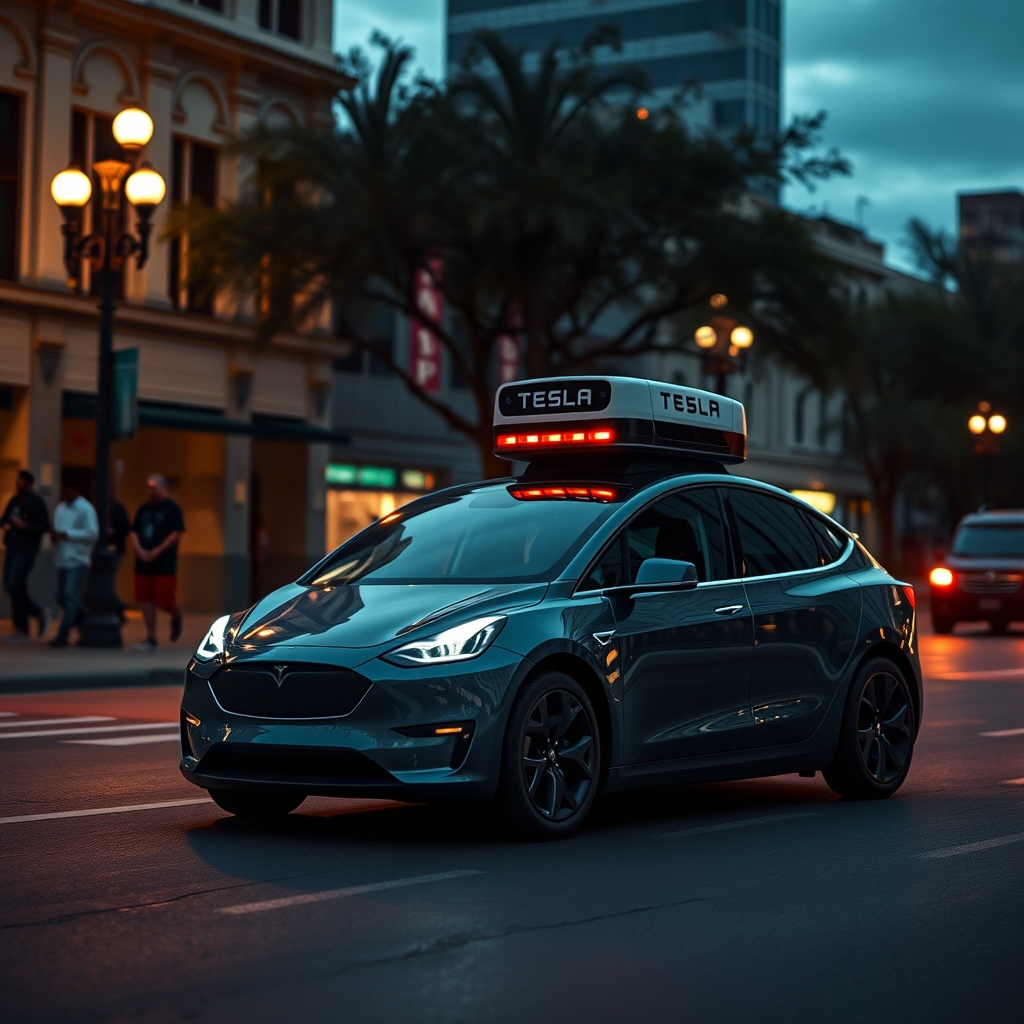
Tesla announced on X that its robotaxi fleet will become operational in San Antonio at 5 a.m. local time on Monday, marking the latest expansion of the company’s autonomous‑vehicle network beyond Austin. The move is a clear signal that Tesla aims to rival Waymo’s growing presence in Texas and to cement its identity as more than a traditional automaker.
The San Antonio rollout comes with few specifics: Tesla has not disclosed whether the fleet will include the two‑seater Cybercab (Cybercab) or the modified Model Y (Model Y) that currently serve other markets, nor whether any human safety monitors will accompany the vehicles. Historically, Tesla launches with a modest number of cars confined to a limited service zone, then scales up as data accumulates. The company’s end‑to‑end artificial‑intelligence (AI) stack relies exclusively on cameras, a model first tested in Austin in June 2025.
Tesla’s robotaxi journey began with a pilot in Austin, initially staffed by on‑board safety operators. In January 2026 the firm removed those monitors, converting the service to fully driverless operation. Since then, the fleet has grown to more than 400 autonomous vehicles in Austin, while smaller contingents operate in Fort Worth (24 vehicles) and Miami (5 vehicles), according to Texas registration records and the Robotaxi Tracker website. The service now also runs in limited zones of Dallas, Houston and Orlando.
Waymo, Alphabet’s autonomous‑driving subsidiary, already offers its Ojai robotaxi service in San Antonio, using a mix of Jaguar I‑Pace and Zeekr RT (Zeekr RT) vehicles. After a five‑month suspension caused by flooding incidents, Waymo recently resumed operations, underscoring the competitive pressure Tesla now faces.
Despite the aggressive expansion, Tesla’s Q2 data revealed a dip in passenger‑miles compared with the first quarter, suggesting that scaling driverless mobility remains a challenge. Moreover, the company still lacks the regulatory permits required for a fully driverless ride‑hailing service in California, where its current offering relies on human drivers. The San Antonio launch therefore represents both a milestone and a testbed for Tesla’s long‑term autonomous ambitions.