Tesla to Cease Cybertruck Production in 2027, Shifts Focus to Robotaxi Cybercabs
Tesla will cease Cybertruck production in 2027, repurposing its Texas factory for two‑seat Cybercab robotaxis as the company pivots toward AI‑driven mobility.
S
··1 min readSciTech Editorial Team
Newsroom
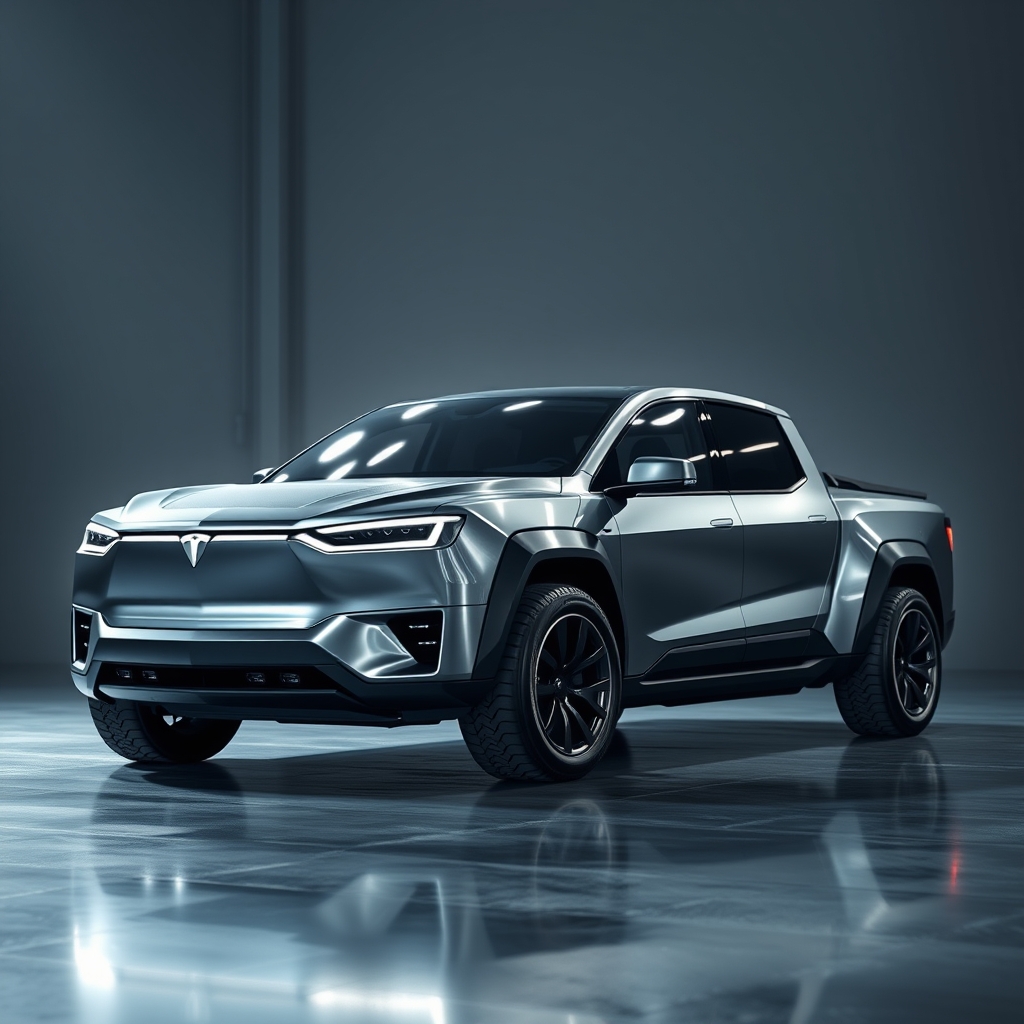
Tesla announced on X that it will halt production of the Cybertruck in 2027, ending the short‑lived electric pickup after just three model years. The company plans to convert the Gigafactory Texas space currently devoted to the truck into a line for the two‑seat Cybercab robotaxi, a move that underscores Elon Musk’s pivot toward artificial‑intelligence‑driven mobility.
When the Cybertruck was unveiled in 2019, Musk projected annual sales of 250,000 units and a starting price below $40,000 with a 500‑mile (800‑kilometer) range. In reality, only “tens of thousands” have been sold worldwide through 2026, and the base price has risen to roughly $60,000 while the advertised range fell short by more than 100 miles. Production delays caused by the pandemic and supply‑chain bottlenecks pushed the first deliveries to late 2023, far later than the original schedule.
The robotaxi ambition is already taking shape. Since June, Tesla has been operating a fleet of Cybercabs in Austin, Texas, with no major incidents reported. The company intends to expand the service to Dallas later this month and eventually to other major U.S. cities. The shift follows two earlier product cancellations – the Model S sedan and Model X SUV – whose assembly lines have been reassigned to build the Optimus humanoid robot.
Analysts see the Cybertruck’s demise as a signal that Tesla is abandoning the “high‑volume, low‑cost” EV strategy in favor of a premium, AI‑centric business model. While the move may free up valuable manufacturing capacity, it also raises questions about the company’s ability to meet its long‑term revenue targets without a mass‑market pickup.
Investors have reacted cautiously; Tesla’s stock slipped 3 % after the announcement, but some market watchers argue that the focus on autonomous robotaxis could unlock new revenue streams once regulatory hurdles are cleared. The next milestone will be the commercial rollout of a fully driverless Cybercab fleet, slated for 2028.