The Cognitive Immortality Frontier: MIT Tech Review Debates Brain Replacement and Mind Uploading
MIT Technology Review experts debate the technical and ethical paths to cognitive immortality, including gradual brain replacement and cloud-based mind uploading.
S
··2 min readSciTech Editorial Team
Newsroom
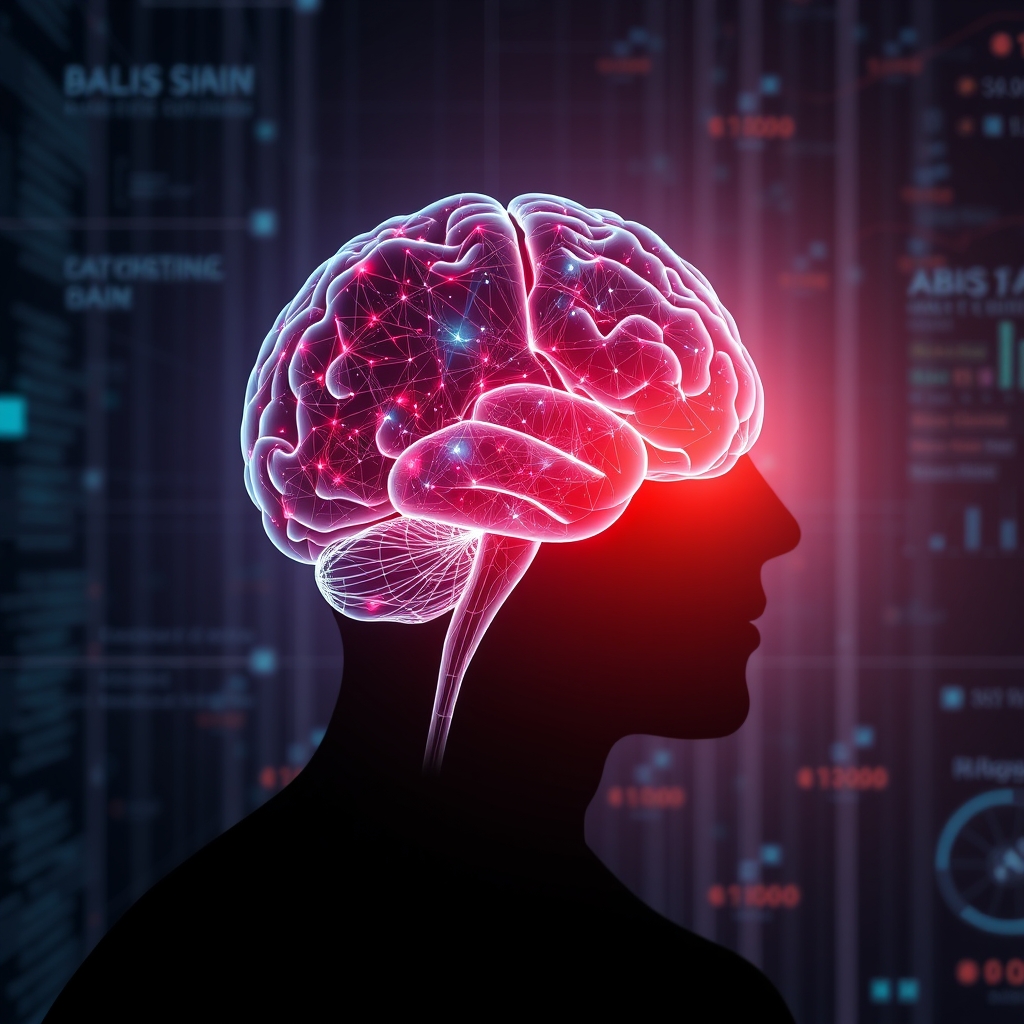
In a provocative exploration of the boundaries of human existence, MIT Technology Review has convened a high-level roundtable to dissect the emerging field of 'cognitive immortality.' The session, recorded on November 17, 2026, features leading voices in science and biomedicine who are challenging the traditional acceptance of biological death. The core premise revolves around the pursuit of an elusive continuity of the self, where technologists and scientists are engineering pathways to keep the human mind functioning even after the body ceases to exist. This is not merely science fiction; it represents a tangible shift in biomedical engineering and neurotechnology that aims to decouple consciousness from its biological substrate.
Leading the discussion are Antonio Regalado, Senior Editor for Biomedicine, and Mary Beth Griggs, Science Editor, who guide the audience through the complex technical landscapes of neural preservation. They explore two primary methodologies: the gradual replacement of biological brain tissue with synthetic components, and the radical concept of 'uploading' human memories and cognitive patterns to the cloud. These approaches suggest a future where the self is no longer bound by the decay of neurons, but rather by the durability of digital infrastructure and advanced prosthetic integration. The conversation highlights the intricate engineering challenges involved in mapping the human connectome with sufficient fidelity to preserve identity.
The technical implications of such endeavors are profound. Gradual brain replacement implies a seamless transition where organic matter is swapped for synthetic equivalents without disrupting the flow of consciousness. Conversely, mind uploading requires a complete digital replication of the neural state, raising questions about whether a digital copy constitutes the same 'self' or merely a sophisticated simulation. The experts discuss the current state of neuroimaging and data storage, noting that while the technology is in its infancy, the trajectory of innovation is accelerating rapidly. The session also touches upon the ethical and philosophical ramifications of creating a version of a person that can persist indefinitely in a digital realm.
Beyond the technical hurdles, the broader implications for society and the definition of humanity are significant. If cognitive immortality becomes a reality, it will fundamentally alter concepts of legacy, mortality, and personal identity. The industry impact could be massive, driving new sectors in neurotechnology, data security, and digital ethics. However, challenges remain, including the potential for digital inequality, where only the wealthy can afford the 'upgrade' to eternal consciousness. As the field moves from theoretical speculation to experimental research, the next milestones will likely involve breakthroughs in real-time neural data capture and the development of robust, secure cloud architectures capable of hosting human minds. This roundtable serves as a critical checkpoint in the ongoing quest to redefine the limits of human life.