Trump Orchestrates Jensen Huang's Dramatic Return to Nvidia Amidst Security Scrutiny
President Trump intervened to reinstate Jensen Huang as Nvidia CEO despite national security concerns and ongoing investigations into alleged ties to Chinese spies.
S
··2 min readSciTech Editorial Team
Newsroom
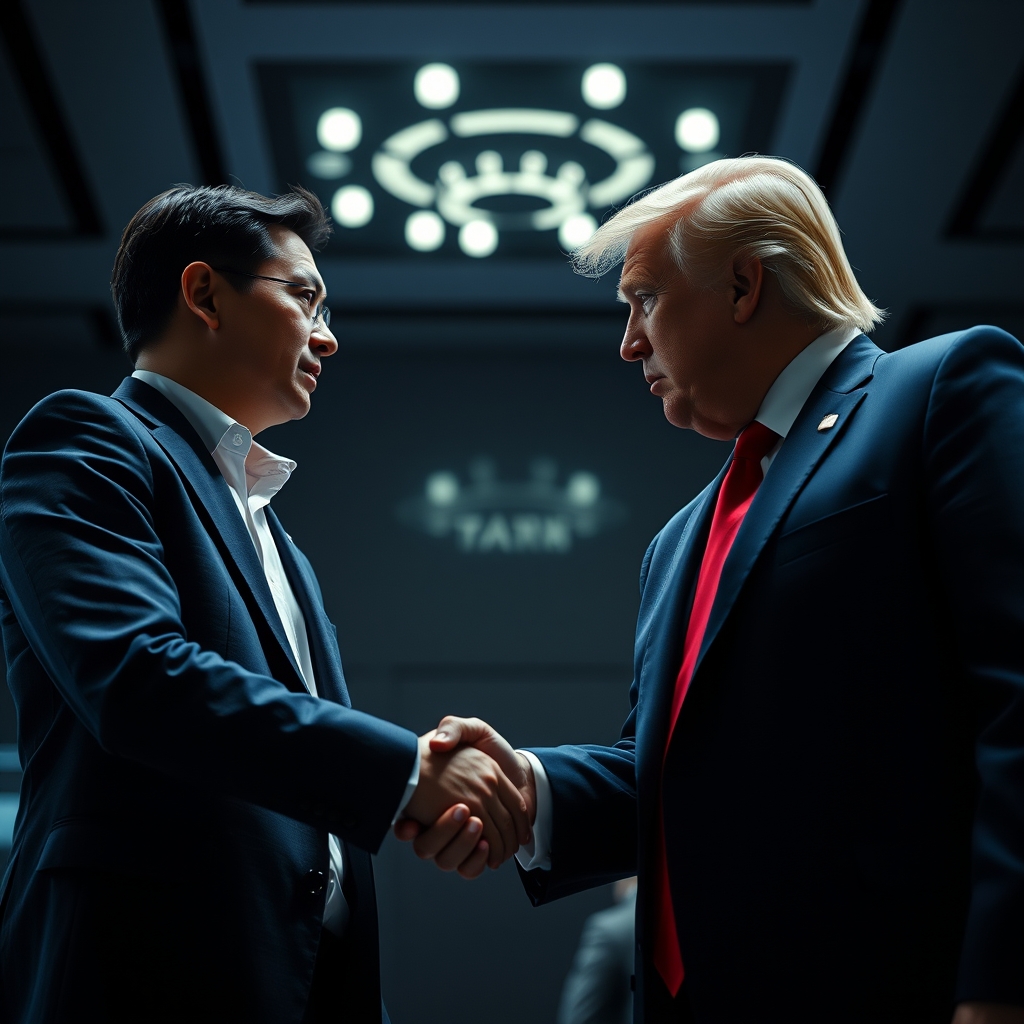
In a dramatic reversal that has sent shockwaves through the tech industry, President Donald Trump has successfully engineered the reinstatement of Jensen Huang as the Chief Executive Officer of Nvidia. This move comes barely a week after Nvidia’s board of directors accepted Huang’s resignation, a decision precipitated by reports alleging an affair with a suspected Chinese spy. Despite initial public statements suggesting Huang would be replaced, Trump intervened decisively, leveraging his influence to pressure the board into reversing its decision. The president’s direct involvement highlights the unprecedented level of executive influence over major corporate leadership in the United States, raising significant questions about the separation of state power and corporate governance.
Behind the scenes, the Trump administration worked tirelessly to facilitate Huang’s return. According to reports, Trump spoke directly with Huang the night before his reinstatement and maintained communication with the Nvidia board through both direct and indirect channels. Vice President JD Vance reportedly acted as a liaison, providing assurances to the board that Huang’s return would not pose a national security risk. Trump even dialed into the board’s Sunday night meeting to make his case, later boasting on CNBC, “I made the deal.” This level of intervention underscores the political complexities surrounding Nvidia, a company critical to the U.S. technological and military edge.
The reinstatement has not been without controversy. Huang admitted to an affair with Alice Huang, a former executive at Megaspeed, whom U.S. intelligence officers reportedly believed to be a potential Chinese spy. Additionally, there were reports of other relationships with direct reports and allegations that Huang lied to the board about his infidelity. Megaspeed itself has been investigated for allegedly attempting to illegally funnel advanced Nvidia chips to China. These allegations have intensified scrutiny on both Huang and the company’s export control policies, particularly given Huang’s previous advocacy for expanding chip sales to China.
In response to the backlash, the Nvidia board announced the formation of a new National Security and Export Control Committee, composed solely of independent directors, to oversee trade compliance and national security risks. The board also stated that it would hire a new Chief Compliance Officer to oversee compliance across the company. While the board claimed that input from senior U.S. government officials assured them that Huang’s reinstatement poses no national security risk, critics argue that this decision undermines the independence of corporate oversight. The upcoming Democratic-majority Congress is expected to probe both Nvidia and the Trump administration, potentially leading to further legal and political challenges.
The market reaction to Huang’s return was volatile, with NASDAQ-100 futures hitting a circuit-breaker limit due to the sudden news. Analysts remain divided on the long-term implications for Nvidia’s stock and its global operations. While Huang’s technical expertise and leadership are widely respected, the political entanglements surrounding his return could complicate Nvidia’s relationships with international partners and regulators. As Huang prepares to testify before Congress on December 1st, the coming months will be critical in determining whether this risky comeback strengthens or weakens the company’s position in the global tech landscape.