ULA Vulcan Rocket Suffers Historic First Failure, Destroying 40 Amazon Leo Satellites
ULA's Vulcan rocket failed in its first mission, destroying 40 Amazon Leo satellites, marking the company's first launch failure in 20 years.
S
··1 min readSciTech Editorial Team
Newsroom
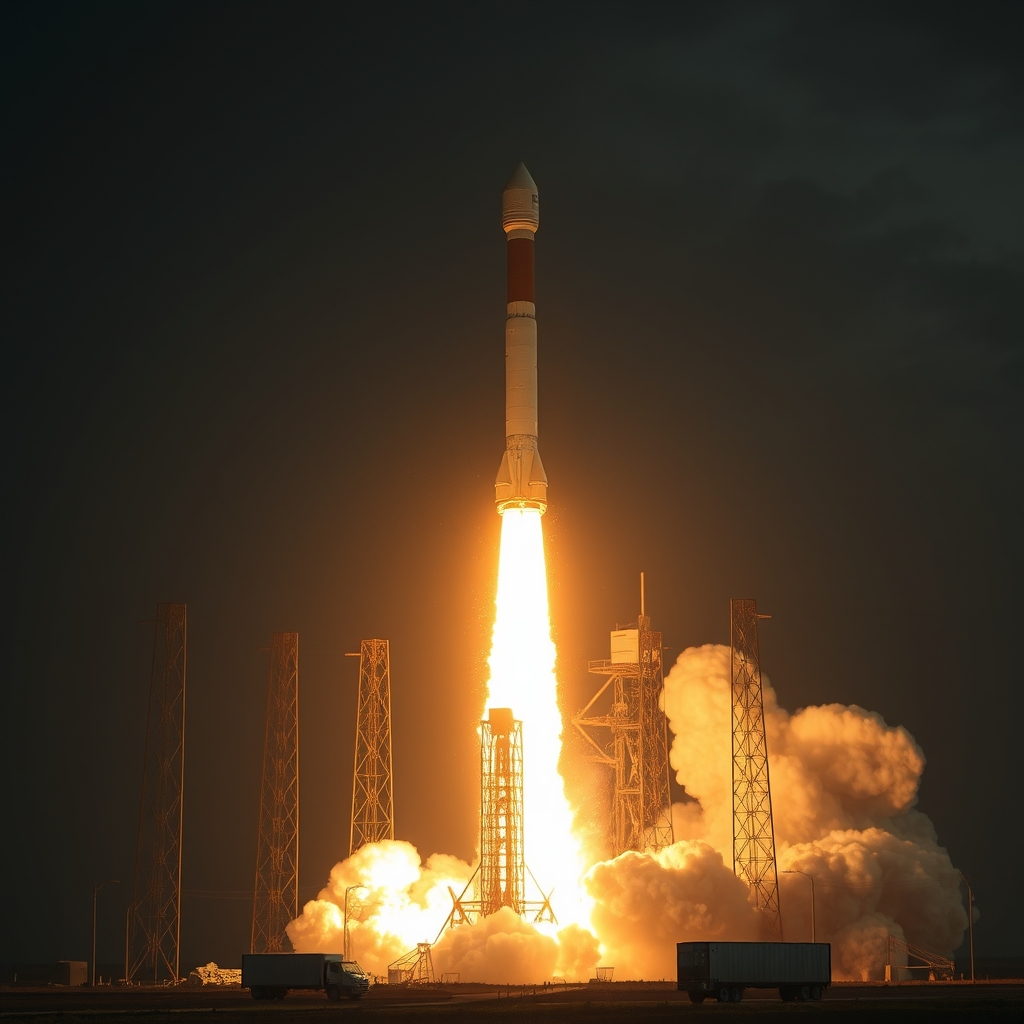
United Launch Alliance (ULA) has suffered its first mission failure in two decades, marking a significant setback for the aerospace industry. The company's new Vulcan Centaur rocket failed to deliver its payload to orbit, resulting in the destruction of 40 Amazon Leo broadband satellites. This incident represents the first major operational hiccup for ULA since its formation, raising immediate questions about the reliability of its next-generation launch vehicle.
In a statement released on X, ULA confirmed that the Vulcan vehicle, launching from Space Launch Complex 41, experienced an "anomaly" ten minutes into the flight. The company stated that while the cause of the failure remains unclear, it has pledged full transparency as it conducts a thorough investigation. The failure occurred during the inaugural mission, designated LV-01, which was intended to be the first of 38 flights Amazon had purchased from ULA to deploy its satellite constellation.
Amazon Leo, the company's direct competitor to SpaceX's Starlink, has struggled to gain momentum, having placed only a small fraction of the necessary satellites into orbit. This loss of 40 satellites is a substantial blow to Amazon's efforts to build a competitive global broadband network. The incident highlights the inherent risks of space exploration, particularly for inaugural missions of new rocket systems.
Despite the catastrophic outcome, Amazon expressed confidence in its launch partner. In a post on X, the company noted that "there is risk with any launch," especially for first-of-kind missions. Amazon affirmed that ULA remains a trusted partner and expressed belief that the company will learn from this experience to deliver on its long-term plans for the Vulcan rocket. The aerospace community now watches closely as ULA works to identify the root cause of the anomaly and restore confidence in its launch capabilities.