Urban Sprawl Triggers Ecological Collapse in São Paulo Streams, Study Reveals
A new study in Nature Cities reveals that urbanization in São Paulo is causing a structural collapse of stream food webs, reducing complex ecological networks from 190 to just three connections.
S
··1 min readSciTech Editorial Team
Newsroom
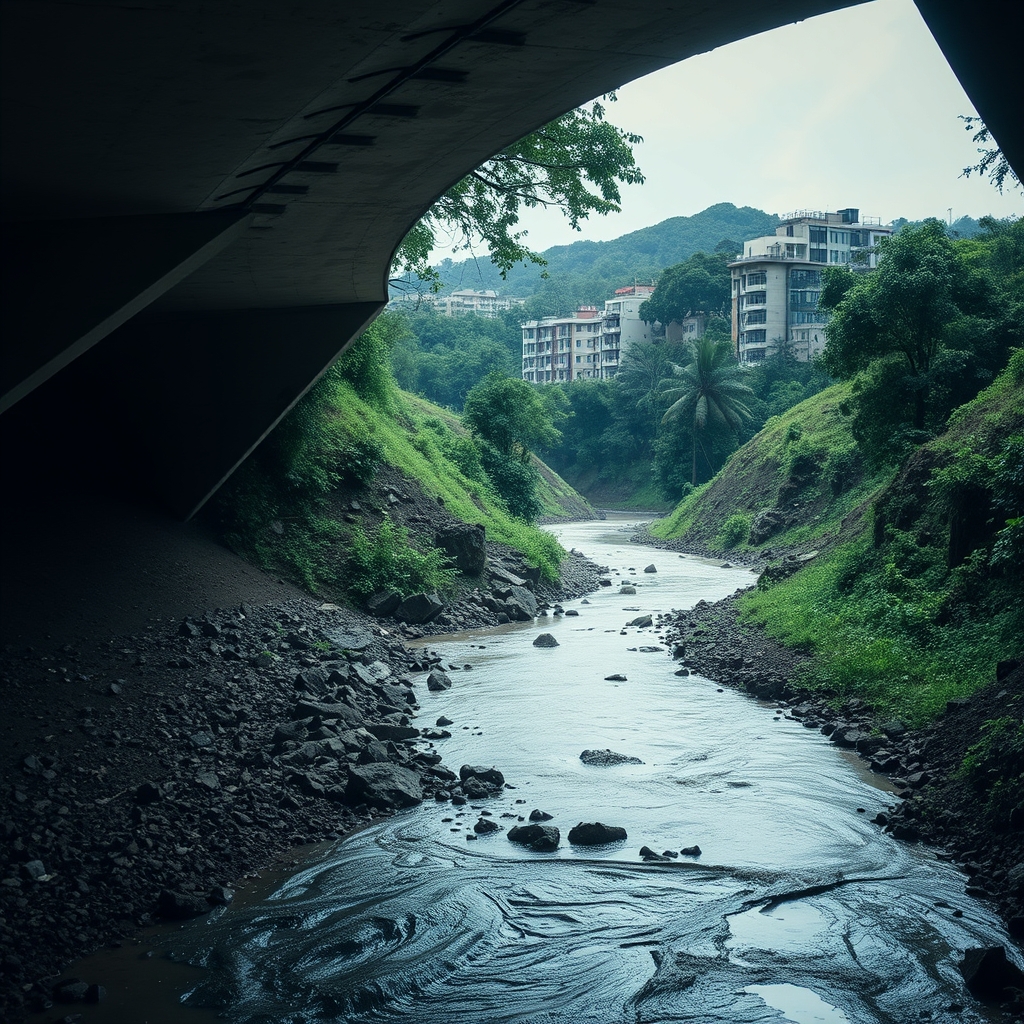
The relentless advance of urbanization across the São Paulo Metropolitan Area in Brazil is precipitating a severe ecological collapse within local stream ecosystems. A comprehensive study, published in August in the prestigious journal Nature Cities, demonstrates that the environmental footprint of the metropolis extends far beyond the mere reduction of biodiversity. Instead, the degradation process actively dismantles the structural integrity of aquatic food webs, signaling a critical threshold in urban ecological management.
The research highlights that this degradation is not random but highly selective, eliminating organisms based on specific biological traits, particularly their size. This selective pressure simplifies complex ecological interactions to a degree that threatens the stability of entire aquatic communities. The data reveals a dramatic contraction in network complexity, where intricate webs comprising 190 distinct ecological connections have plummeted to a fragile system of just three connections. This drastic simplification indicates a loss of functional redundancy, making the ecosystem highly vulnerable to further perturbations.
The findings underscore that urban expansion is not merely a land-use change but a fundamental restructuring of ecological processes. By filtering out larger or more specialized organisms, the urban environment creates a homogenized and simplified biological landscape. This shift has profound implications for ecosystem services, such as water purification and nutrient cycling, which are increasingly compromised as the biological machinery of the streams is stripped away.
As cities continue to expand, the study serves as a urgent warning for urban planners and environmental policymakers. The collapse of these stream food webs suggests that current urban development models are incompatible with long-term ecological sustainability. Future mitigation strategies must prioritize the preservation of ecological complexity and the protection of key species that maintain network stability, rather than focusing solely on species counts.