US Transportation Secretary Blames 'Routine' Fiber Optic Upgrade for Historic Nationwide Flight Grounding
A routine fiber optic upgrade at a remote site triggered a historic US ground stop, canceling over 8,200 flights and sparking debates on infrastructure funding and AI integration.
S
··2 min readSciTech Editorial Team
Newsroom
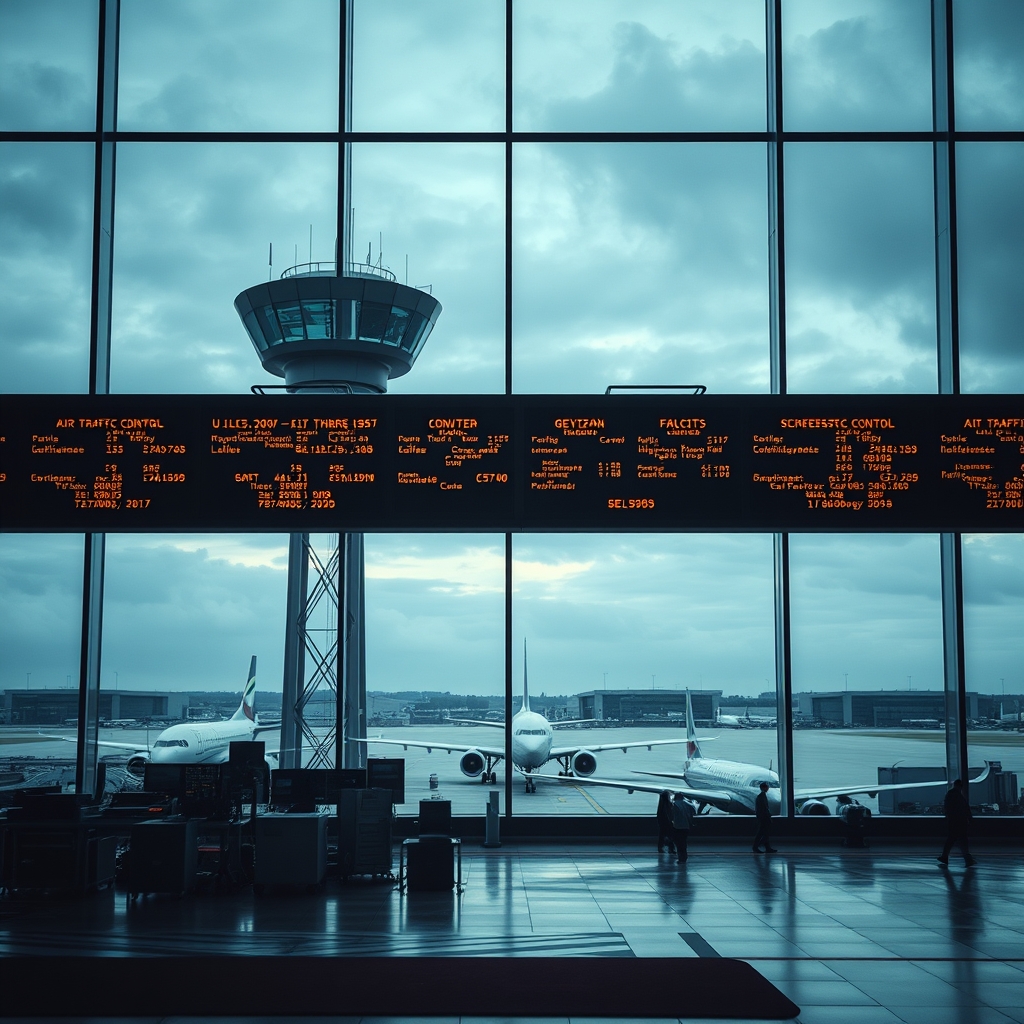
Federal Aviation Administration (FAA) officials confirmed that a historic nationwide ground stop, which halted air traffic across the United States, was triggered by a seemingly routine infrastructure upgrade. Transportation Secretary Sean Duffy stated that the disruption stemmed from the replacement of copper wire with fiber optic cable at a remote location, a task performed by L3Harris, a long-standing contractor for the agency. The upgrade allegedly caused a router to overload a critical communication system, resulting in the immediate suspension of all flights.
Technical details provided by Rebecca Guy, the FAA’s acting Chief Technology Officer, reveal that the network experienced severe instability due to two nodes pinging the system at an excessive rate of over a thousand connections every four to five seconds. The agency stated that it immediately disabled these nodes to stabilize the network and is currently conducting a root cause analysis to determine whether the failure was due to user error, installer error, or a defective router. Duffy emphasized that the work itself was straightforward but raised questions about the competence of the installation process.
The timing of the maintenance has drawn significant criticism, as the upgrade was executed at 3 pm on a Friday afternoon rather than during a low-traffic window. Duffy defended the decision by noting that while major airport switchovers occur late at night, remote site updates are typically conducted during the day, though he acknowledged that a reevaluation of scheduling protocols is underway. This incident marks only the third nationwide ground stop in the 21st century, underscoring the fragility of the current aviation infrastructure.
The operational impact was severe, with aviation data firm Cirium reporting that more than 8,200 flights were canceled on Friday evening. The ripple effects persisted into Saturday, with at least another 3,000 flights canceled as the system struggled to recover. The timing of the outage coincided with the FAA’s recent announcement of a new AI tool for air traffic controllers, a development that sparked controversy among unions who claimed they were not consulted. However, FAA Administrator Bryan Bedford firmly denied any link between the AI rollout and the outage, stating there was "zero evidence" of AI-related issues.
In a separate remark, Homeland Security Secretary Markwayne Mullin was asked if the ground stop was caused by AI, to which he replied, "We call it SI around here, remember? SI." The incident has reignited debates in Congress regarding the need for increased funding for aviation equipment upgrades and the modernization of the nation's air traffic control systems to prevent similar catastrophic failures in the future.