Volkswagen Halts Electric Golf Production Amidst 'Urgent Need for Action' and Cost Pressures
Volkswagen pauses electric Golf production to address urgent cost-cutting needs and restructure its EV strategy.
S
··2 min readSciTech Editorial Team
Newsroom
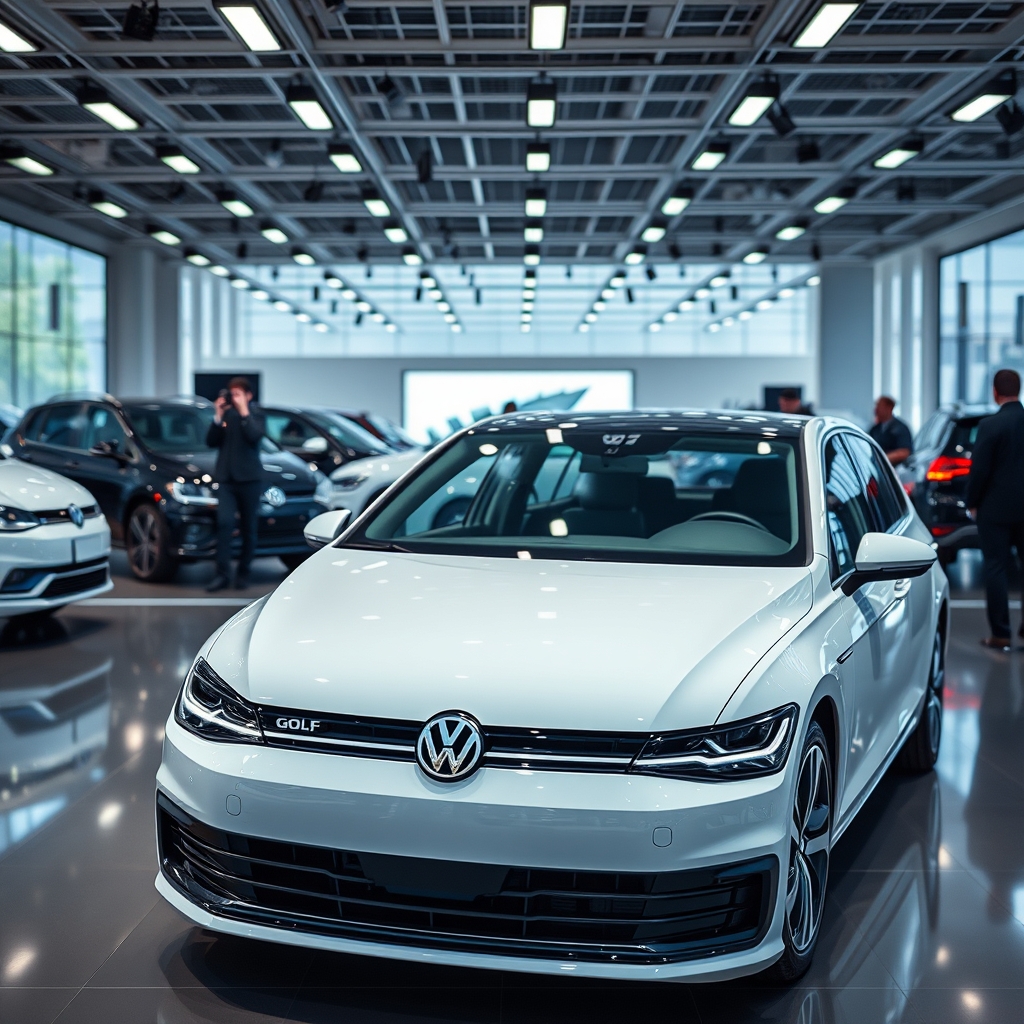
Volkswagen has officially placed the production of its electric Golf on hold, a significant strategic pivot that underscores the mounting financial pressures facing the automotive giant. This decision marks a pause in one of the brand's most anticipated electric vehicle (EV) launches, signaling a broader reassessment of its electrification roadmap in response to an 'urgent need for action' regarding cost efficiency. The move comes at a critical juncture where the company is grappling with the need to streamline operations and reduce overheads without compromising its long-term commitment to sustainable mobility.
The suspension of the electric Golf is not merely a production delay but a tactical response to the intensifying competition in the EV market. Volkswagen faces growing pressure to cut costs across its supply chain and manufacturing processes to maintain profitability. Analysts suggest that the company is prioritizing more cost-effective models and platforms that can deliver higher margins, while re-evaluating the timing and scale of its premium EV offerings. This approach reflects a cautious stance aimed at preserving capital during a period of economic uncertainty and shifting consumer preferences.
In this context, Volkswagen’s leadership has emphasized the necessity of immediate structural changes to ensure the company's resilience. The 'urgent need for action' cited by executives points to a comprehensive review of the company's EV portfolio, where projects that do not meet stringent cost-benefit criteria are being temporarily shelved. This strategic pause allows the engineering and finance teams to refine the electric Golf's design and production methods, potentially making it more competitive when it eventually returns to the production line.
The broader implications of this decision extend beyond a single model, affecting Volkswagen's overall market positioning in the electric sector. Competitors are accelerating their EV rollouts, and any pause could impact Volkswagen's market share in key regions. However, the company argues that this temporary halt is a necessary step to secure the financial health of the organization, ensuring that when the electric Golf does launch, it will be a robust and commercially viable product. The next milestones will likely involve a detailed announcement regarding the revised timeline and any technical adjustments made during this interim period.