Wiener Targets AI Regulation as Data Center Power Crisis Deepens
Scott Wiener targets federal AI regulation while data center backlash in Virginia reveals electricity as the core issue.
S
··1 min readSciTech Editorial Team
Newsroom

In a pivotal shift for federal technology policy, Scott Wiener, the California state senator who recently secured Nancy Pelosi’s congressional seat in San Francisco, has positioned himself as a primary architect for stricter AI regulation. Speaking hours after his victory, Wiener emphasized the urgent need to mitigate risks associated with advanced artificial intelligence, specifically citing the dangers of "recursive self-improvement." He warned that the rapid pace of technological development could lead society to "sleepwalk into a disaster," advocating for a deliberate slowdown to ensure safety protocols are established before capabilities outpace governance.
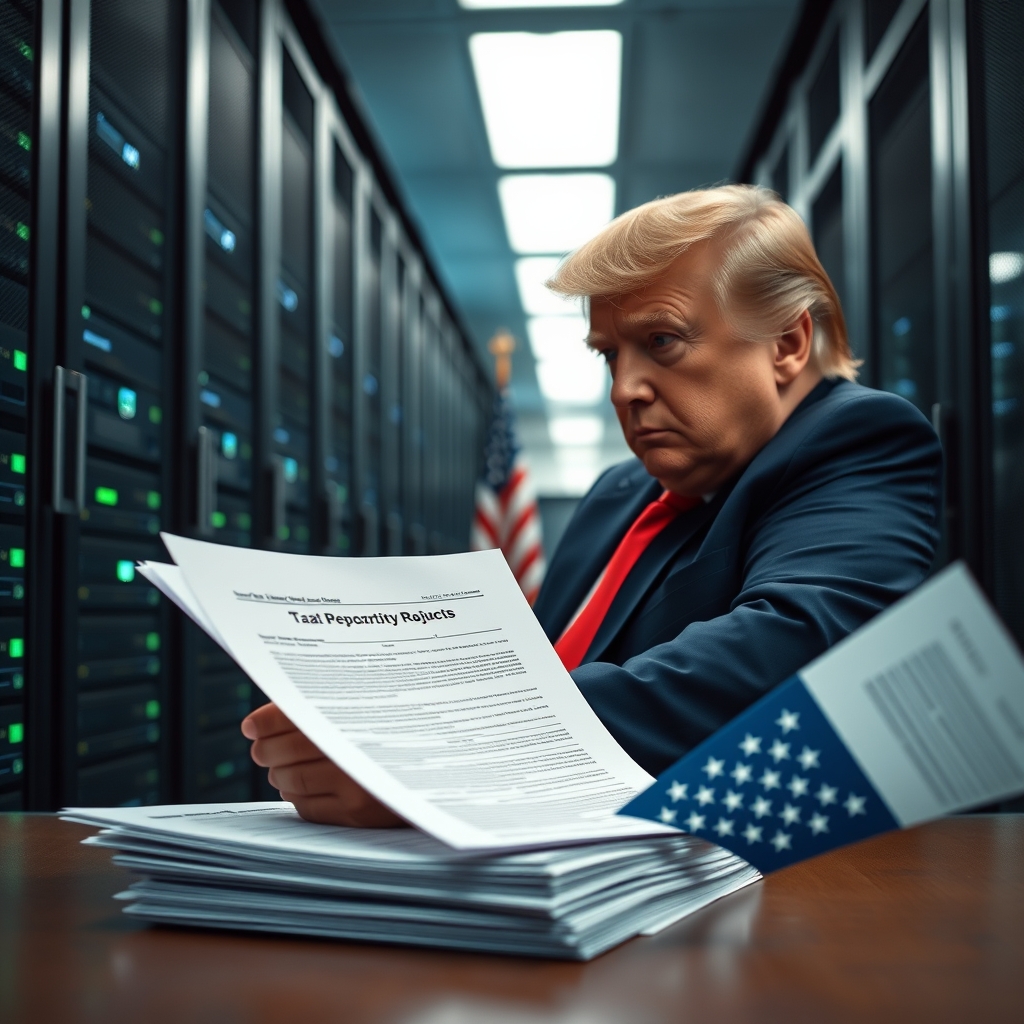
While Wiener focuses on legislative guardrails, a parallel crisis is unfolding in the physical infrastructure supporting the AI boom. In Ashburn, Virginia—widely known as "Data Center Alley" and the world’s largest data center hub—reporters observed that the backlash against Big Tech is not merely a cultural dispute over progress. Instead, the core friction point is the industry’s insatiable appetite for electricity. The debate centers on whether to draw power from the existing grid or generate it onsite, with both approaches triggering significant public resistance and environmental concerns.
The convergence of these two issues highlights a growing tension between digital innovation and physical resource limits. As AI models become more complex and energy-intensive, the political landscape is shifting from abstract debates about code to tangible struggles over energy infrastructure. Wiener’s legislative agenda will likely face scrutiny as he attempts to balance innovation with safety, while the data center industry faces mounting pressure to address its environmental footprint and community impact.
This dual challenge represents a critical juncture for the tech sector. The ability of Congress to effectively regulate AI, combined with the industry’s capacity to manage its energy consumption, will determine the sustainability of the current technological trajectory. Stakeholders are watching closely as these two fronts of the tech debate begin to intertwine, potentially reshaping both policy and infrastructure planning in the coming years.