Neural Prosthetics as Cognitive Probes: How Bionic Hands Reveal the Secrets of the Human Mind
A University of Utah trial uses neural prosthetics to study how bionic hands interact with the brain, revealing unexpected sensory feedback and potential changes in neural mapping.
S
··3 min readSciTech Editorial Team
Newsroom
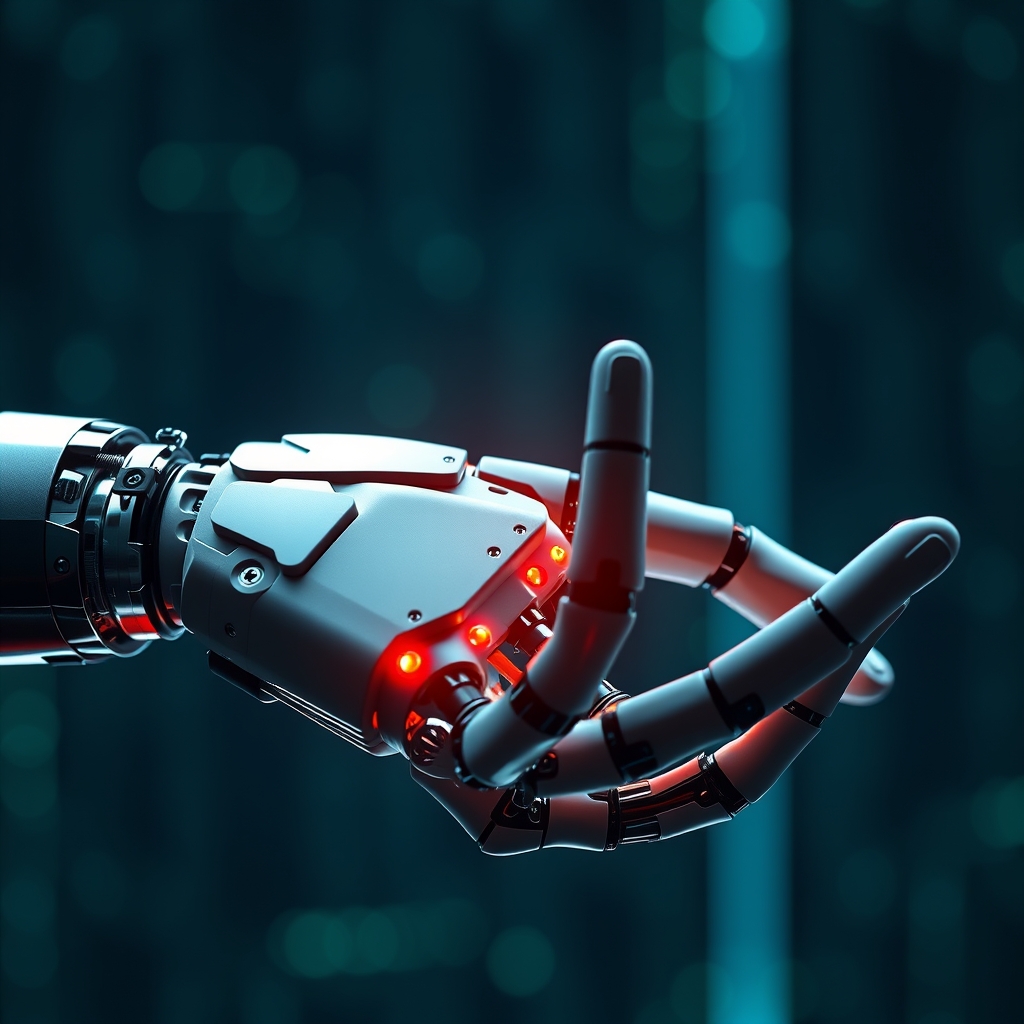
In a groundbreaking development at the University of Utah, researchers are leveraging advanced neural prosthetics not merely as medical devices, but as sophisticated tools to probe the human mind. The focal point of this clinical trial is Alexander (Avi) Davidson, the ninth participant to undergo the procedure, who is uniquely positioned as the first individual to take the technology home for independent, real-world use. Unlike conventional prosthetics, this device interfaces directly with the nerves in Avi’s arm, requiring surgical implantation of electrodes and the use of external wires for connectivity. This direct neural link allows for a level of sensory feedback and motor control that traditional devices cannot achieve, offering a rare window into the complex interplay between biological tissue and artificial hardware.
Avi’s journey with the technology has been rigorous, involving hundreds of hours of lab-based training and physical therapy alongside his demanding career as a trauma therapist. Despite the inconvenience of not being able to keep the device long-term and the necessity of future surgery to remove the implanted electrodes, Davidson maintains a resolute perspective. He states, “I am not going to benefit from this … I wanted to be a part of this in the context of being able to help push the technology forward.” His primary tasks, such as drinking from a cup and writing, are deceptively difficult, highlighting the precision required for natural movement. The research team is keenly observing how the device performs outside the controlled environment of the laboratory, seeking to understand its practical utility and limitations in daily life.
One of the most intriguing findings from the trial is the emergence of unexpected physiological responses. Avi has reported that his prosthetic wrist can feel sore and stiff after overuse, mimicking the sensations of a biological wrist. Remarkably, this discomfort can be alleviated by stretching the device, a phenomenon that scientists are still trying to fully explain. This blurring of the line between organic and artificial sensation suggests that the body may be integrating the prosthetic in ways that were previously unanticipated. Such observations are critical for understanding how the nervous system adapts to and incorporates external mechanical structures.
Beyond immediate functional benefits, the trial aims to answer longstanding questions about neuroplasticity. Prior to the trial, the research team conducted brain scans to map how Avi’s missing left hand was represented in his cortex. They are now monitoring whether prolonged use of the bionic hand alters these neural representations. This data is vital not only for amputees but also for understanding how bionic limbs might affect the brains of individuals born without limbs. The potential to reconstruct inner thoughts, mental images, or even dreams through such neural interfaces remains a distant but compelling goal for the scientific community.
The future of this technology remains uncertain, with Avi expected to retain the device until late January 2027, potentially extending to another year depending on research progress and funding. The long-term durability of the device within the human body is still an open question. However, the insights gained from this trial are poised to reshape the field of neuroprosthetics, moving it from a focus on mere replacement to a deeper exploration of human-machine symbiosis. As the team continues to gather data, the study stands as a testament to the potential of cutting-edge prosthetics to unlock new dimensions of human cognition.