US Congress Enacts Landmark E-Bike Battery Safety Law, Ending Voluntary Standards Era
US Congress passes a major law making e-bike battery safety standards mandatory, shifting from voluntary to strict federal requirements to enhance consumer protection.
S
··1 min readSciTech Editorial Team
Newsroom
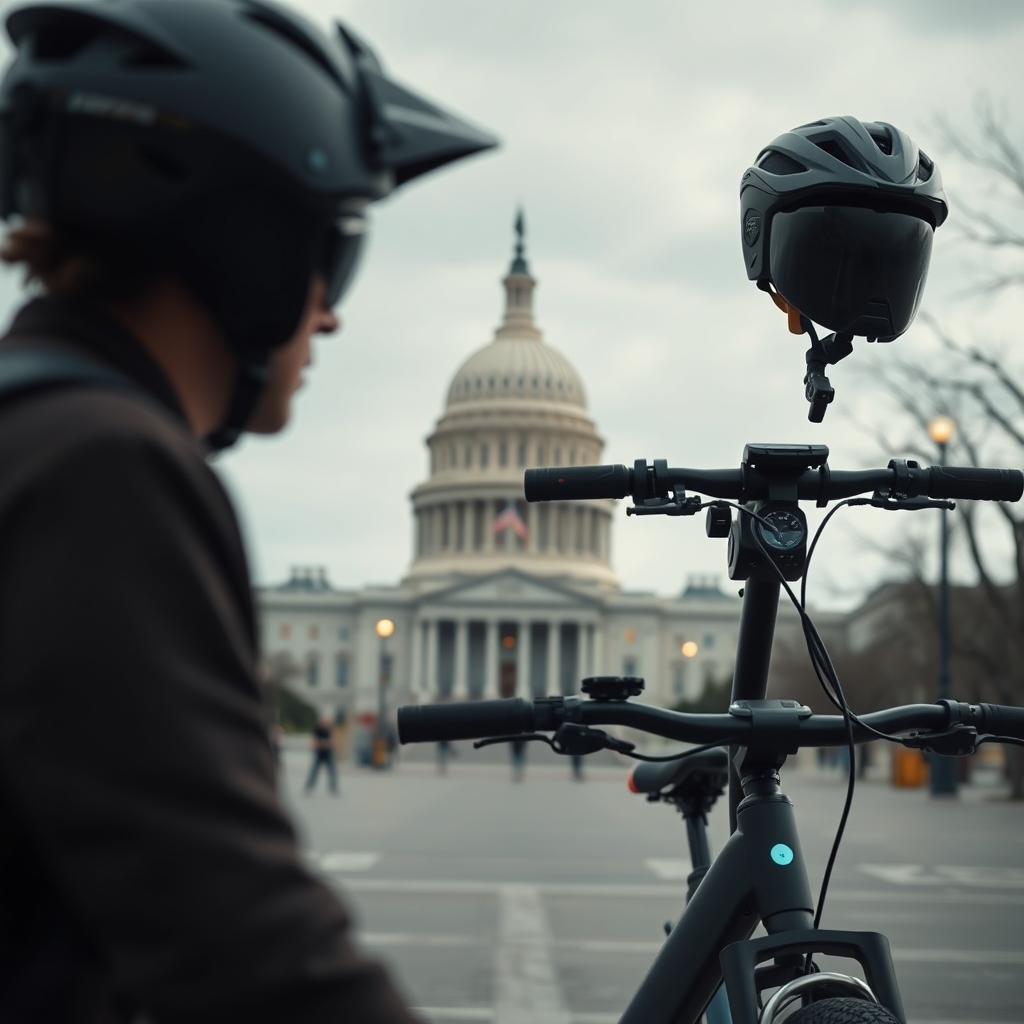
In a decisive move to address growing public safety concerns, the United States Congress has passed a landmark piece of legislation that fundamentally alters the regulatory landscape for electric bicycles. This new law marks the end of an era where e-bike battery safety standards were largely voluntary, transitioning them into mandatory federal requirements. The decision underscores a critical shift in how the government approaches the safety of emerging transportation technologies, prioritizing consumer protection over industry self-regulation.
The core of this legislation focuses specifically on the safety protocols governing e-bike batteries, which have been identified as a primary source of fire hazards in recent years. By mandating strict federal standards, the law ensures that all manufacturers and importers must adhere to rigorous testing and quality control measures before their products can reach the US market. This technical standardization aims to eliminate substandard components that have previously slipped through the cracks of voluntary compliance frameworks, thereby reducing the risk of thermal runaway and subsequent fires.
Industry experts and safety advocates have welcomed this development as a necessary correction to a regulatory gap that persisted for too long. The transition from voluntary to mandatory compliance signals a robust commitment to enforcing high safety benchmarks across the entire supply chain. This move not only protects individual consumers but also levels the playing field for reputable manufacturers who have already invested in superior safety technologies, discouraging cheaper, less safe alternatives from dominating the market.
Looking ahead, the implementation of these new federal requirements will likely trigger a period of rapid adaptation within the e-bike industry. Manufacturers will need to conduct comprehensive audits of their battery sourcing and manufacturing processes to ensure full compliance with the new legal framework. While this may introduce short-term logistical challenges and increased costs, the long-term benefits of a safer, more reliable product ecosystem are expected to outweigh these hurdles, fostering greater consumer confidence in electric mobility solutions.