Breakthrough: Engineered Tobacco Plants Now Produce Life-Saving Cancer Drug Paclitaxel
Researchers have engineered tobacco plants to produce the chemotherapy drug paclitaxel, offering a sustainable alternative to traditional extraction methods.
S
··2 min readSciTech Editorial Team
Newsroom
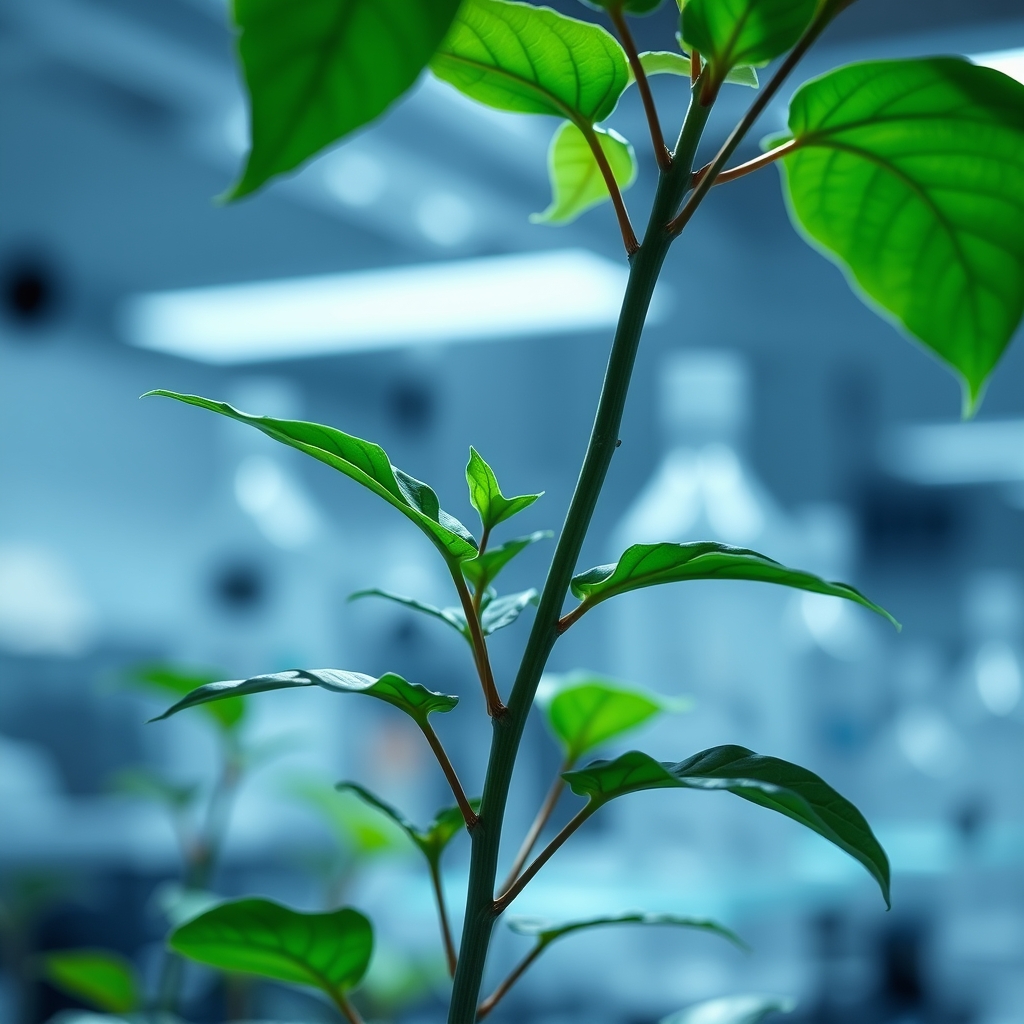
In a landmark achievement for sustainable pharmaceutical production, researchers have successfully engineered a specific strain of tobacco plants to synthesize paclitaxel, a potent chemotherapy drug marketed as Taxol. This breakthrough offers a viable alternative to the traditional, resource-intensive extraction methods that have long relied on the bark of the Pacific yew tree, a process that is both environmentally damaging and economically inefficient. By harnessing the biological machinery of plants, scientists aim to create a more scalable and eco-friendly supply chain for this critical life-saving therapy.
The study, published in Nature Chemical Biology, details the complex metabolic pathways that were introduced into the tobacco genome to facilitate the production of the drug. Paclitaxel is widely used to treat various aggressive tumors, including breast and lung cancers, making its reliable and affordable production a global health priority. The engineered plants act as living factories, efficiently converting simple sugars into the complex chemical structure of paclitaxel through a series of enzymatic reactions. This approach not only preserves the natural habitat of the yew tree but also allows for year-round production independent of seasonal harvests.
From a technical standpoint, the success of this bio-manufacturing model hinges on the precise optimization of gene expression and metabolic flux. The researchers had to carefully balance the introduction of multiple foreign genes to ensure that the plant could sustain the metabolic burden of producing high concentrations of the drug without compromising its own growth. This level of genetic engineering represents a significant leap forward in synthetic biology, demonstrating the potential of plants as versatile platforms for the production of high-value natural products.
The broader implications of this research extend beyond cancer treatment, signaling a shift towards green chemistry in the pharmaceutical industry. As the demand for targeted therapies grows, the need for sustainable sourcing of active pharmaceutical ingredients becomes increasingly urgent. This innovation could pave the way for the production of other scarce natural compounds, reducing the environmental footprint of drug manufacturing. However, challenges remain in scaling up the technology to industrial levels while maintaining consistent quality and yield. Future milestones will likely focus on optimizing extraction techniques and conducting extensive clinical trials to validate the efficacy and safety of plant-derived paclitaxel on a large scale.