Supply Chain Bottleneck: Why Tesla's AI5 Chip Is Prioritized for Optimus Over Vehicles
New reports reveal that TSMC 3nm capacity constraints are forcing Tesla to prioritize its AI5 chip for the Optimus robot, delaying automotive deployment until 2028.
S
··2 min readSciTech Editorial Team
Newsroom
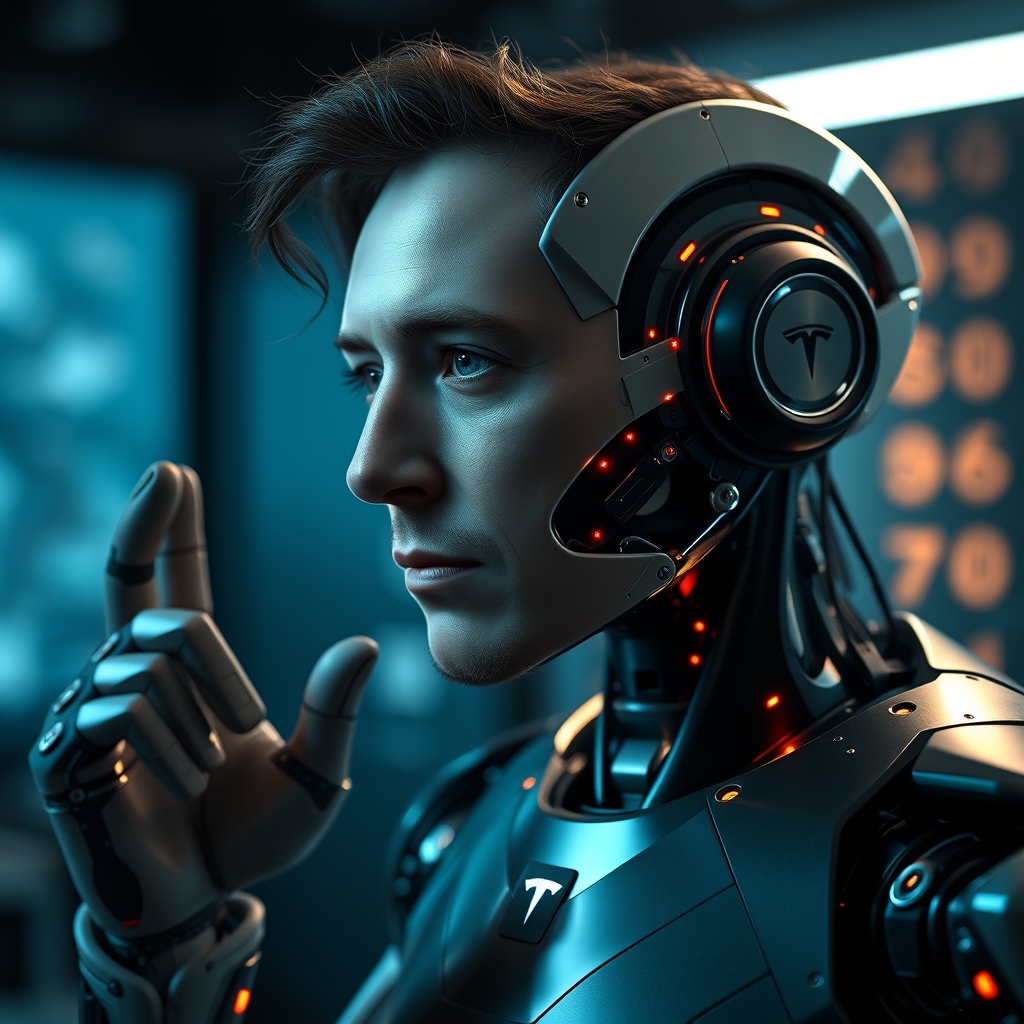
Elon Musk has recently asserted that Tesla’s next-generation AI5 chip is destined primarily for the Optimus humanoid robot rather than its automotive lineup. While the CEO framed this decision as a strategic prioritization of robotics, a new report from Taiwan’s chip supply chain reveals a more pragmatic constraint: Tesla simply will not have sufficient AI5 chip production capacity for its cars until 2028. This revelation shifts the narrative from a choice of preference to a necessity driven by manufacturing bottlenecks.
According to Commercial Times, Tesla’s chip design partner, Global Unichip (GUC), is facing severe limitations in its access to TSMC’s advanced 3nm fabrication capacity for the year 2027. The report indicates that GUC has allocated its scarce 3nm production slots first to data center chips for tech giants Google and Microsoft. Consequently, Tesla is left with a relatively small allocation of AI5 chips, forcing the company to triage its resources.
This supply chain dynamic explains why the AI5 chip is being directed toward Optimus. The humanoid robot program, which is central to Tesla’s long-term vision, likely requires a smaller initial volume of high-performance chips compared to the massive scale of its vehicle fleet. By prioritizing Optimus, Tesla can deploy the limited available AI5 units where they can be immediately utilized without waiting for the full-scale automotive rollout.
The broader implications of this bottleneck highlight the intense competition for advanced semiconductor capacity in 2027. As hyperscalers like Google and Microsoft ramp up their data center infrastructure, they are effectively crowding out automotive clients from the most advanced nodes. For Tesla, this means a delay in integrating the AI5 chip into its cars, potentially pushing the full automotive deployment to 2028.
In the meantime, the Optimus robot stands to benefit from this early access to cutting-edge AI hardware. This strategic pivot allows Tesla to continue advancing its robotics capabilities while it waits for the supply chain to catch up with its automotive demands. The situation underscores the critical role that semiconductor manufacturing capacity plays in shaping the deployment timelines of next-generation AI technologies.