Tesla Unveils $29,990 Cybercab for Personal Use, But Hidden Costs and Regulatory Risks Complicate the Deal
Tesla offers the Cybercab for personal use at $29,990, but a mandatory $299 monthly subscription and strict regulatory constraints significantly alter the true cost and utility of the vehicle.
S
··2 min readSciTech Editorial Team
Newsroom
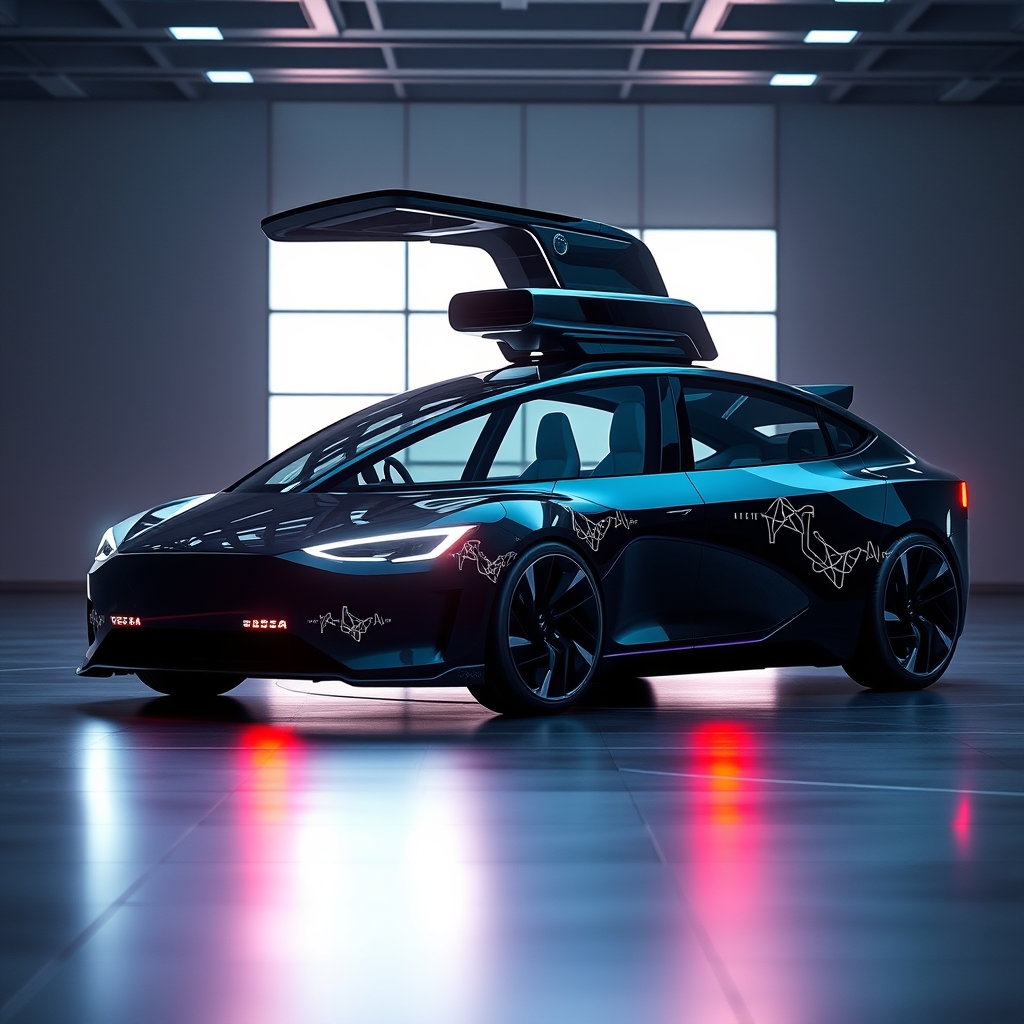
Tesla has officially opened the doors to personal ownership of its autonomous Cybercab, inviting select customers to purchase the steering-wheel-free vehicle for $29,990. However, this headline price masks a complex financial and regulatory landscape. Buyers must also commit to a mandatory $299 monthly Autonomy Subscription, which, over a standard five-year ownership period, adds approximately $17,940 to the total cost. This brings the effective baseline price to roughly $47,600 before taxes, insurance, and charging, a figure that exceeds the cost of a standard Model 3 or Model Y that can be driven anywhere in the United States.
The availability of the Cybercab is strictly limited to specific geofenced areas where Tesla’s Robotaxi service is currently operational, such as Austin, Texas. Unlike traditional Teslas where canceling the Full Self-Driving (FSD) subscription reverts the car to manual mode, canceling the Cybercab’s autonomy subscription renders the vehicle completely unusable on public roads due to the absence of manual controls. Furthermore, Tesla requires a non-refundable $1,000 deposit to secure a place in the delivery queue, with initial availability described as limited and delivery windows not guaranteed.
A significant point of contention is the explicit prohibition on commercial use. Despite earlier promises by CEO Elon Musk that owners could earn passive income by adding their vehicles to the Robotaxi network, current terms forbid any commercial operation, including ridesharing or delivery services. Tesla AI chief Ashok Elluswamy has suggested that customer vehicles might be allowed to join the network as early as Q2 2027, but early buyers are currently locked into a high-cost, non-monetizable asset.
Regulatory hurdles add another layer of uncertainty. The National Highway Traffic Safety Administration (NHTSA) has opened a formal audit into Tesla’s self-certification of a vehicle lacking standard controls like steering wheels and pedals. Tesla has submitted a confidential legal justification to NHTSA, yet it continues to accept customer deposits while the ruling remains pending. Critics argue that Tesla is shifting focus away from technological shortcomings by framing regulatory approval as the primary bottleneck, while also failing to address critical questions regarding liability and insurance for a driverless vehicle.
In effect, early buyers are not just purchasing a car; they are entering a high-stakes experiment in autonomous transportation. The combination of a high recurring fee, limited geographic utility, and unresolved federal legal status means that the $29,990 sticker price is merely the entry ticket to a much more expensive and risky proposition. As Tesla pushes forward with its bold vision of an autonomous future, the fine print reveals a reality that is far less straightforward than the initial marketing suggests.