Apple Breaks Decades-Long Stance: Debuts First True Touchscreen MacBook Pro at LA Event
Apple unveils its first touchscreen MacBook Pro in a historic shift, ending years of criticism against touch-enabled laptops and redefining the Mac experience.
S
··2 min readSciTech Editorial Team
Newsroom
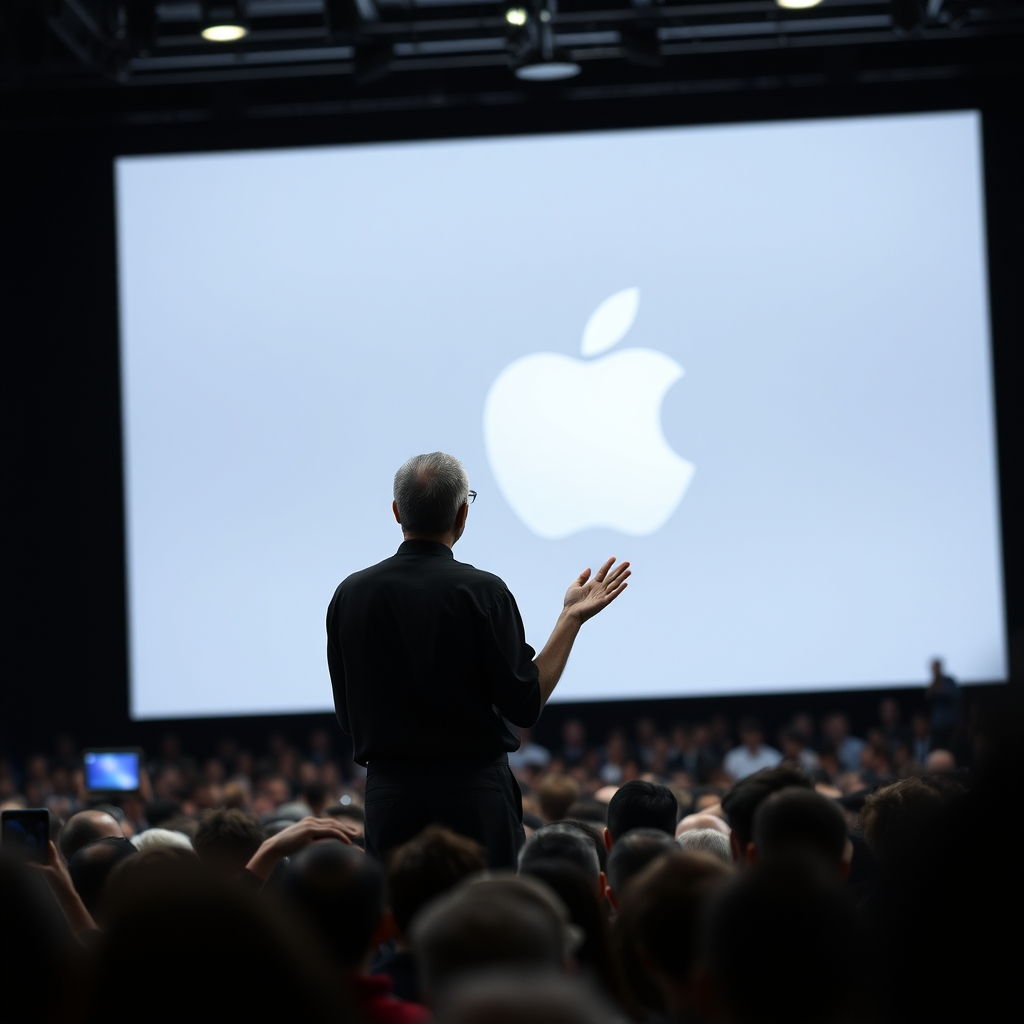
In a historic pivot that redefines the Mac ecosystem, Apple has officially unveiled its first true touchscreen MacBook Pro, marking a decisive break from its long-standing criticism of touch-enabled laptops. The announcement, made during a private event in Los Angeles, signals a major strategic shift for the tech giant, which had previously dismissed touchscreen interfaces as unnecessary for professional computing. This development is particularly notable given that Apple executives spent years criticizing the usability of touchscreens on Windows laptops, yet now embraces the technology to meet evolving user demands for intuitive interaction.
The event, dubbed 'Pro and tell,' followed a busy week for Apple, which had already introduced an upgraded iPad Mini with an OLED display and refreshed the MacBook Pro and iMac lines with the new M6 chips. While those earlier updates were largely iterative, focusing on performance boosts rather than design overhauls, the touchscreen MacBook Pro represents a fundamental redesign. The device is expected to feature a high-resolution display optimized for touch input, allowing users to tap, swipe, and interact with the macOS interface in ways previously reserved for iPads and smartphones.
Reporters on the ground, including Antonio G. Di Benedetto from The Verge, noted that the event was significantly different from typical Apple launches, such as WWDC or iPhone unveilings. Held in a dedicated event space in Los Angeles rather than Apple Park in Cupertino, the keynote was concise, lasting less than ten minutes, before attendees were invited to a hands-on area. This format mirrors the recent MacBook Neo launch in New York, suggesting Apple is testing new engagement models for its hardware releases. The lack of a public livestream further emphasized the exclusive nature of the event, limiting immediate global coverage to those physically present.
The introduction of a touchscreen to the Mac line is expected to have profound implications for software development and user experience. Developers will likely need to adapt macOS applications to support touch gestures, potentially creating a unified ecosystem where the same interface works seamlessly across iPhones, iPads, and Macs. However, challenges remain, particularly in ensuring that touch controls do not compromise the precision required for professional creative work, such as video editing or graphic design. Apple will need to demonstrate that the touchscreen adds value without detracting from the traditional keyboard-and-trackpad workflow that Mac users have relied on for decades.
Looking ahead, this launch is just the beginning of a broader transformation for Apple’s hardware lineup. The company is expected to integrate touch capabilities into other Mac products, potentially including the iMac and Mac mini, to create a cohesive touch-first experience. As competitors continue to innovate in the laptop market, Apple’s decision to adopt touchscreen technology positions it to reclaim market share among users who prioritize versatility and modern interaction. The coming months will be critical in determining whether this bold move resonates with consumers or if it remains a niche feature, but one thing is certain: the Mac as we know it is changing, and the era of the touchscreen Mac has officially begun.