CATL Advances Solid-State Battery Tech to 20 Ah Cells, Targeting 500 Wh/kg Density
CATL advances to 20 Ah solid-state battery cells, targeting 500 Wh/kg density and small-scale production by 2027.
S
··1 min readSciTech Editorial Team
Newsroom
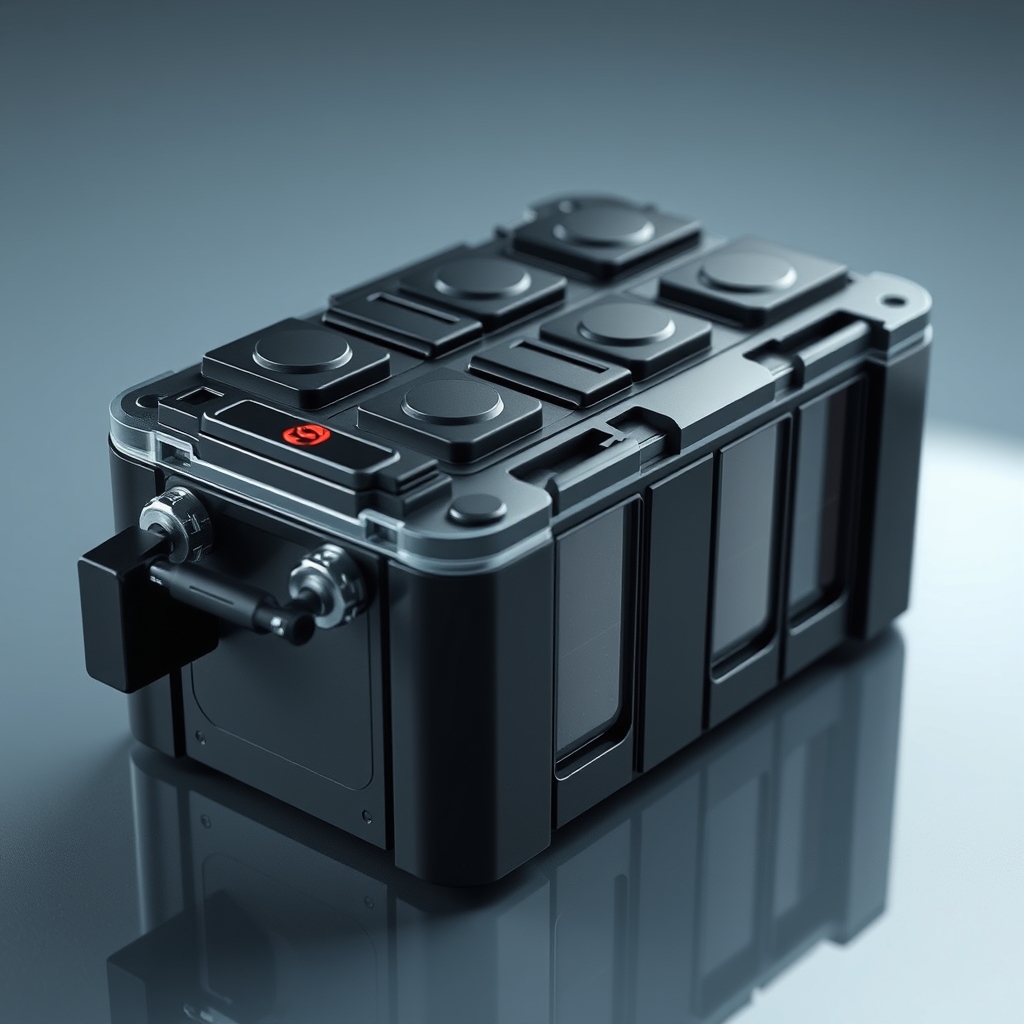
In a significant stride for the electric vehicle industry, CATL, the world’s leading battery manufacturer, has announced a critical milestone in its solid-state battery development roadmap. The company has successfully advanced its technology to produce 20 Ah cells, marking a substantial leap in capacity and performance. This development is poised to redefine the standards for energy storage in next-generation EVs, addressing the long-standing challenges of range anxiety and charging times.
The technical breakthrough centers on the advancement to 20 Ah cells, which represent a major step forward in solid-state battery engineering. By achieving this capacity, CATL is laying the groundwork for batteries that offer superior energy density and safety compared to traditional lithium-ion counterparts. The company has set an ambitious target to begin small-scale production of these advanced cells in 2027, signaling a clear timeline for commercialization.
Looking further ahead, CATL aims to reach an impressive energy density of 500 Wh/kg. This metric is a game-changer for the automotive sector, as it promises to significantly extend the driving range of electric vehicles while reducing battery weight. Such advancements are crucial for making EVs more competitive with internal combustion engines, particularly in long-distance travel and heavy-duty applications.
This move by CATL underscores the intense competition in the global battery market, where solid-state technology is viewed as the holy grail of energy storage. By pushing ahead with 20 Ah cells and targeting 500 Wh/kg, the company is not only enhancing its technological edge but also setting new benchmarks for industry peers. The upcoming small-scale production phase in 2027 will be a critical test of scalability and reliability, potentially accelerating the widespread adoption of solid-state batteries in the mainstream market.