Trump DOE Channels $5B into Nuclear Expansion to Fuel AI Data Center Boom
The US DOE approves $5B in loans for Constellation Energy to expand nuclear capacity, pre-sold to tech giants like Google and Amazon to power AI data centers.
S
··2 min readSciTech Editorial Team
Newsroom
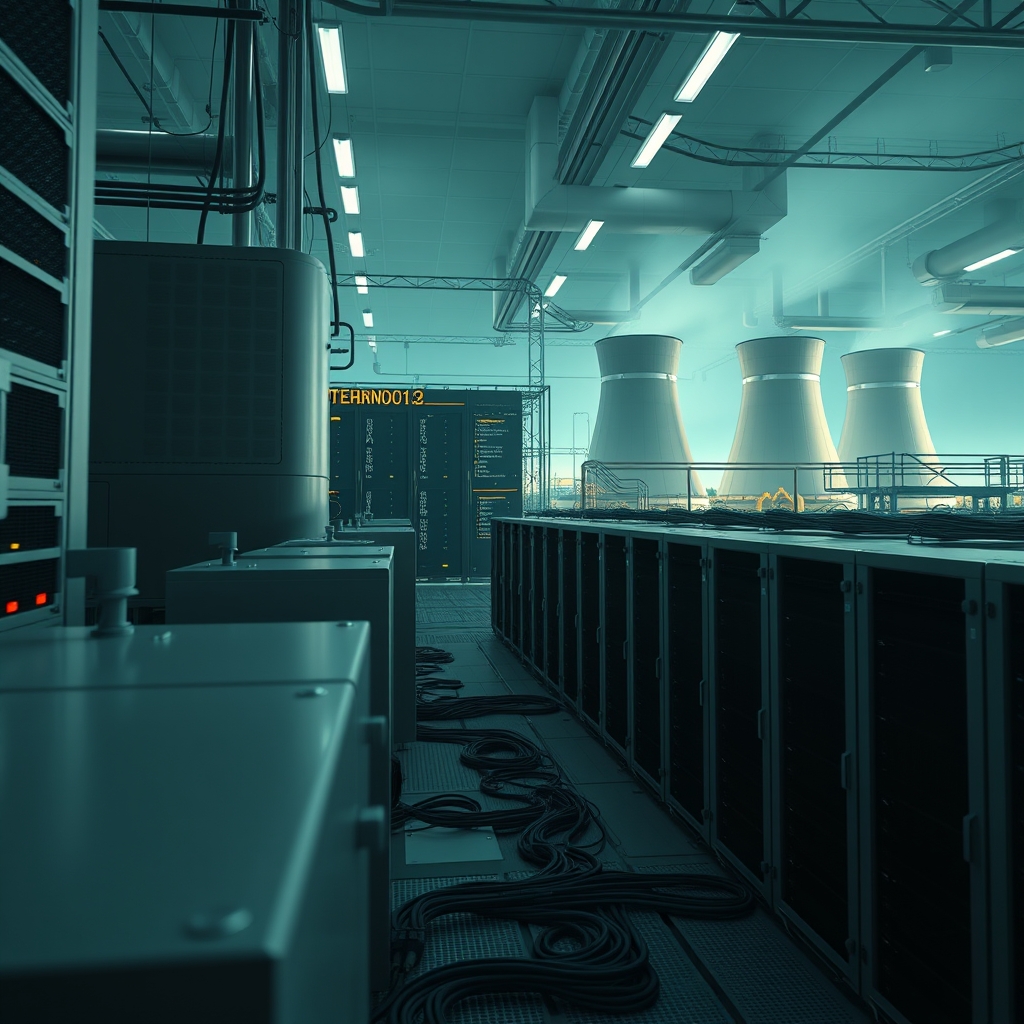
The Trump administration has authorized a $5 billion loan package for Constellation Energy to expand nuclear generating capacity by 1.1 gigawatts across eight power plants. This significant financial injection aims to address the surging energy demands of the hyperscale data centers powering the artificial intelligence revolution. The initiative marks a pivotal shift in U.S. energy policy, aligning federal support with the critical infrastructure needs of the tech sector.
Constellation Energy plans to utilize the financing to "uprate" 11 existing reactors, a technical process involving the use of more highly enriched uranium and equipment upgrades to handle increased power levels. The company has already committed over $7 billion to add 1,080 megawatts of capacity, with most of this new power pre-sold to major tech giants. Google has secured additional power from the Pennsylvania plant and four Illinois facilities, while Amazon is purchasing electricity from the Maryland plant, and Meta is effectively buying the entire Clinton power plant in Illinois.
The eight facilities targeted for expansion include six in Illinois (Braidwood, Byron, Clinton, Dresden, LaSalle, and Quad Cities), one in Maryland (Calvert Cliffs), and one in Pennsylvania (Limerick). By lowering the cost of capital for these upgrades, the Department of Energy’s loans could significantly boost the bottom line of both Constellation and the hyperscalers. This strategic move underscores the growing competitive advantage that reliable, large-scale power provides in the AI race.
While the Department of Energy touted the loan as supporting "affordable, reliable power to American homes and businesses," there is currently no evidence that the new nuclear capacity will lower prices for residential ratepayers. Constellation’s announcement did not specify whether electricity rates would remain stable or decrease, and the company declined to confirm the government’s claims regarding residential benefits. This highlights a potential disconnect between industrial energy procurement and consumer utility costs.
Hyperscalers, including Google, Amazon, and Meta, have been aggressively scouring the grid for additional capacity to support their AI data centers. Tech companies are paying handsomely for energy, committing tens of billions of dollars over the coming years. Given that power has become a decisive competitive advantage, these estimates are likely on the low end, suggesting an even more substantial financial commitment to secure energy independence for their AI operations.