Centuries-Old Mystery Solved: Direct Brain Recordings Decode Wernicke’s Area Role in Speech
Direct brain recordings have finally solved the century-old mystery of Wernicke’s area, enabling the decoding of speech for paralyzed patients.
S
··2 min readSciTech Editorial Team
Newsroom
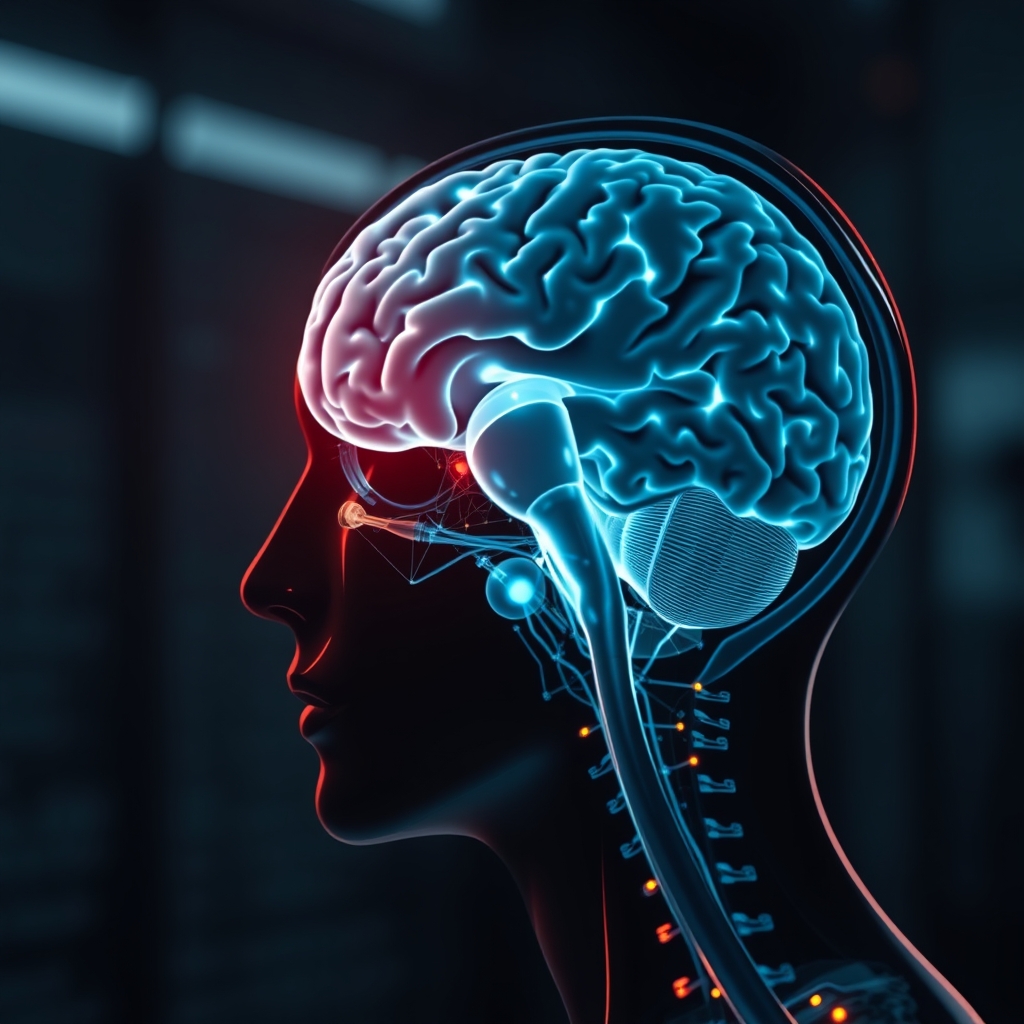
In a landmark breakthrough that resolves a century-old neuroscience puzzle, researchers have successfully decoded the mysterious role of Wernicke’s area in human speech. By utilizing direct recordings from inside the human brain, the team has clarified how this specific region processes language, marking a pivotal moment in our understanding of neural communication. This discovery is not merely academic; it holds profound implications for medical technology, particularly for individuals suffering from paralysis of the vocal tract.
The study, published in Science, relies on advanced brain implants trained on data derived specifically from Wernicke’s area. These implants have demonstrated the ability to decode intended speech with remarkable precision, even in patients who have lost the physical ability to speak. The methodology involves capturing electrical signals directly from the brain’s language centers, bypassing the damaged motor pathways that typically prevent vocalization. This direct neural interface represents a significant leap forward in the field of brain-computer interfaces.
According to the researchers, the clarity of the decoded speech signals provides definitive evidence of Wernicke’s area’s function in language comprehension and production. For decades, the exact contribution of this region to the speech process has been debated, with indirect imaging techniques offering only partial insights. The direct recordings eliminate this ambiguity, providing a high-resolution map of neural activity during speech intent. This level of detail was previously unattainable and has now been achieved through rigorous experimental design and advanced signal processing algorithms.
The broader implications of this research are vast, extending beyond basic neuroscience into the realm of assistive technologies. For individuals with conditions such as amyotrophic lateral sclerosis (ALS) or stroke-induced paralysis, this technology offers a lifeline to restore communication. The ability to translate neural signals into coherent speech could revolutionize the quality of life for millions of patients worldwide. Furthermore, the insights gained may inform the development of more sophisticated neural prosthetics and therapeutic interventions for language disorders.
As the field of neurotechnology continues to advance, this study serves as a cornerstone for future innovations. The next milestones will likely involve refining the decoding algorithms to handle more complex linguistic structures and expanding the trials to a broader patient population. While challenges remain in terms of implant longevity and signal stability, the initial results are promising. This breakthrough underscores the potential of direct brain-computer interfaces to bridge the gap between neural intent and physical expression, ultimately restoring voice to those who have lost it.