California Court Holds Tesla Liable for Solar Roof Fraud After $2.5 Million Damage Claim
A California judge found Tesla liable for fraud after a Solar Roof installation caused over $2.5 million in damage, while the company offered only $5,000 in settlement.
S
··2 min readSciTech Editorial Team
Newsroom
A California judge on November 7, 2026 ruled that Tesla Inc. is liable for fraud in a high‑profile Solar Roof lawsuit, marking the first time the automaker’s residential solar division has faced a court‑ordered finding of intentional deception. The decision stems from the company’s repeated refusal to produce critical evidence during discovery, a breach that the judge described as “willful and material.”
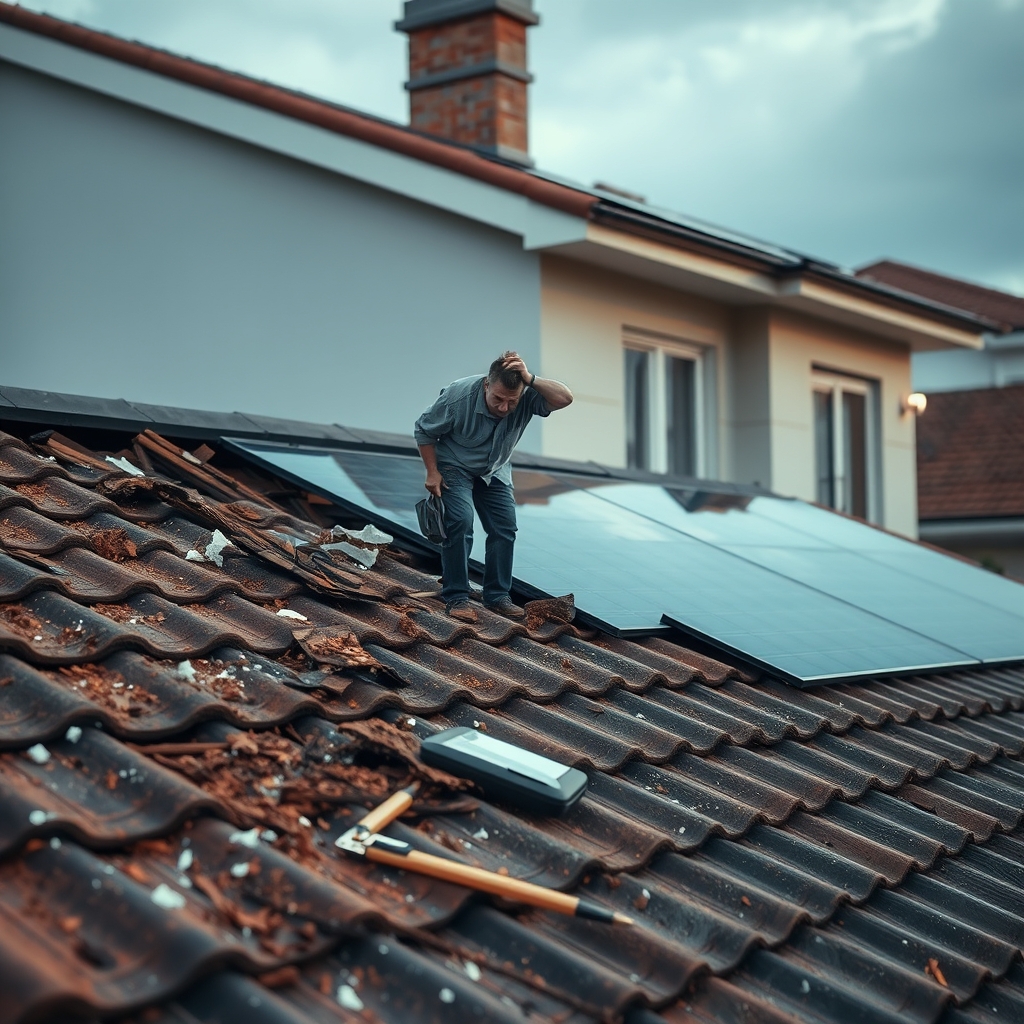
The dispute originated when a homeowner in the San Francisco Bay Area agreed to a pilot installation of Tesla’s Solar Roof – a tiled photovoltaic system marketed as a seamless, warranty‑backed alternative to traditional panels. According to court filings, Tesla treated the project as an “experiment,” failing to adhere to the contractual specifications and neglecting basic safety protocols. The company later admitted it had breached the contract, violated the warranty, and acted negligently on the job, yet continued to withhold inspection reports and performance data.
Financial stakes are staggering. The homeowner’s engineering assessment estimates that repairing the damaged roof, replacing compromised structural elements, and restoring the home’s electrical system will cost “well over $2.5 million.” By contrast, Tesla’s settlement offer amounted to a mere $5,000, a figure the plaintiff’s counsel called “paltry” and “indicative of bad faith.” “We trusted Tesla to deliver a safe, durable product,” the homeowner said, “and instead we received a costly experiment that jeopardized our family’s safety.”
Industry observers warn that the ruling could reverberate across the renewable‑energy sector. Tesla’s Solar Roof, launched in 2016, has been a cornerstone of the company’s strategy to diversify beyond electric vehicles. Legal exposure of this magnitude may compel the firm to overhaul its quality‑control processes, renegotiate warranty terms, and face heightened scrutiny from state regulators. Analysts predict a short‑term dip in Solar Roof orders as consumers await clearer guidance on liability and performance guarantees.
Looking ahead, the case is likely to set precedents for how emerging clean‑tech products are vetted and insured. Legal experts anticipate that additional lawsuits could emerge if other early‑adopter homes experience similar failures. For now, Tesla must navigate the immediate financial liability while rebuilding consumer confidence in its solar ambitions, a challenge that could shape the future trajectory of residential renewable installations in the United States.