Sila and Panasonic Seal $1 Billion Silicon-Carbon Anode Deal Amidst US Battery Market Shift
Sila and Panasonic strike a $1 billion deal for silicon-carbon anodes, boosting US battery sovereignty and scaling production tenfold.
S
··2 min readSciTech Editorial Team
Newsroom
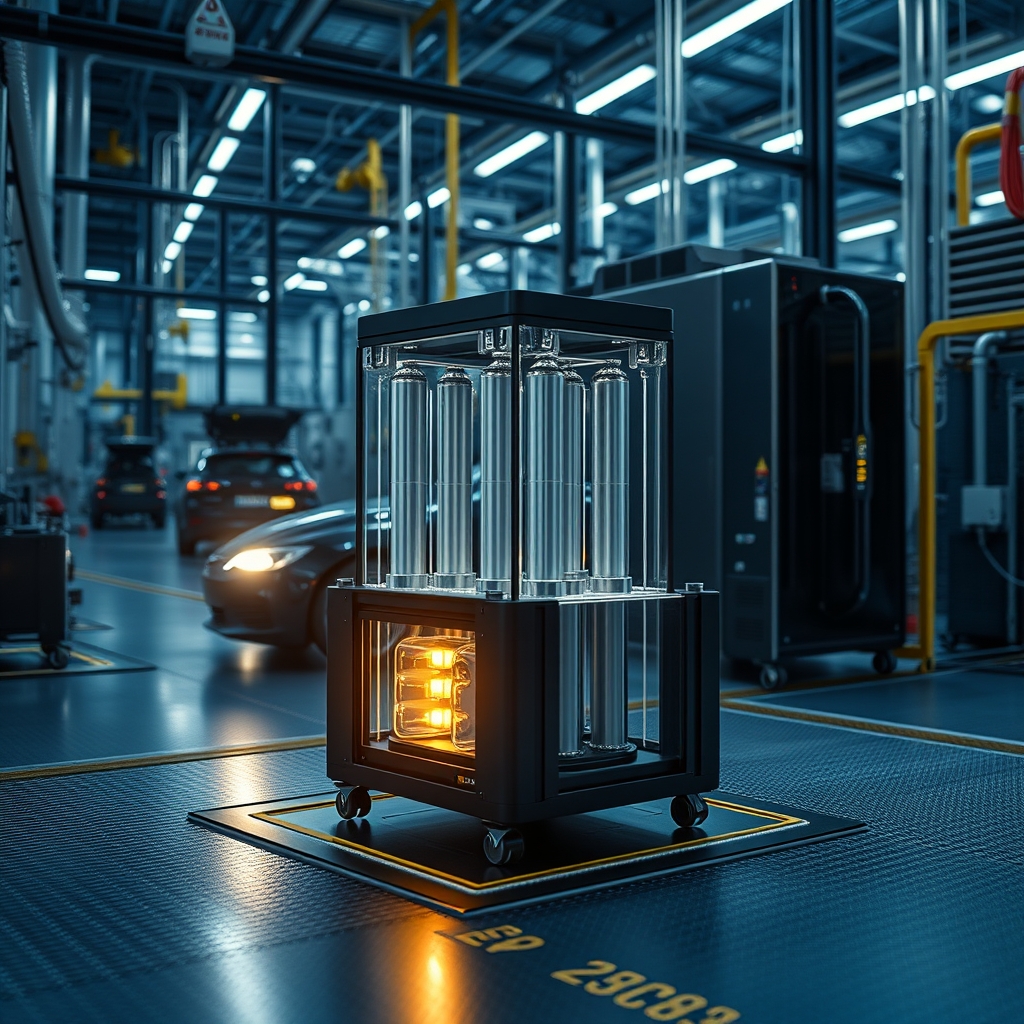
In a significant turnaround for the struggling US next-generation battery sector, Sila has secured a landmark agreement with global giant Panasonic Energy. The deal, potentially worth over $1 billion, involves the supply of silicon-carbon anode material, a critical component for developing smaller, lighter, and more energy-dense batteries. This partnership marks a pivotal moment for the industry, which has recently suffered high-profile failures, signaling a renewed confidence in domestic innovation capabilities.
Technologically, Sila’s silicon-based anodes offer a substantial leap forward in energy density. According to the company, the new material weighs one-fifth as much as conventional graphite and reduces volume by half, enabling electric vehicles to achieve longer ranges within the same weight constraints. Furthermore, this chemistry promises faster recharge times and higher power delivery. The agreement will allow Sila to scale its production capacity in Moses Lake, Washington, by at least ten times its current levels, with Panasonic committing to purchase tens of thousands of tons of the material.
The financial backbone of this expansion is heavily influenced by shifting geopolitical dynamics. A major portion of the funding for Sila’s factory operations comes from a $1.4 billion loan from the Trump administration’s Defense Department. This reflects a broader strategic pivot in the battery industry, moving away from purely climate-focused narratives toward emphasizing national security and industrial sovereignty. With China controlling over 90% of global graphite production, the US is aggressively seeking to decouple its supply chain from Chinese dominance in critical battery materials.
Gene Berdichevsky, Sila’s co-founder and CEO, acknowledged the changing political landscape but maintained that the core motivation remains engineering efficiency. "I think the politics of it has shifted around us much more than our motivations have shifted," Berdichevsky stated. "It’s really the energy efficiency that motivates engineers like myself... And I still think that that’s still at the heart of it." This deal not only revitalizes the US battery market but also positions North American supply chains as a potential power source for the burgeoning AI market, highlighting the intersection of energy infrastructure and advanced computing.