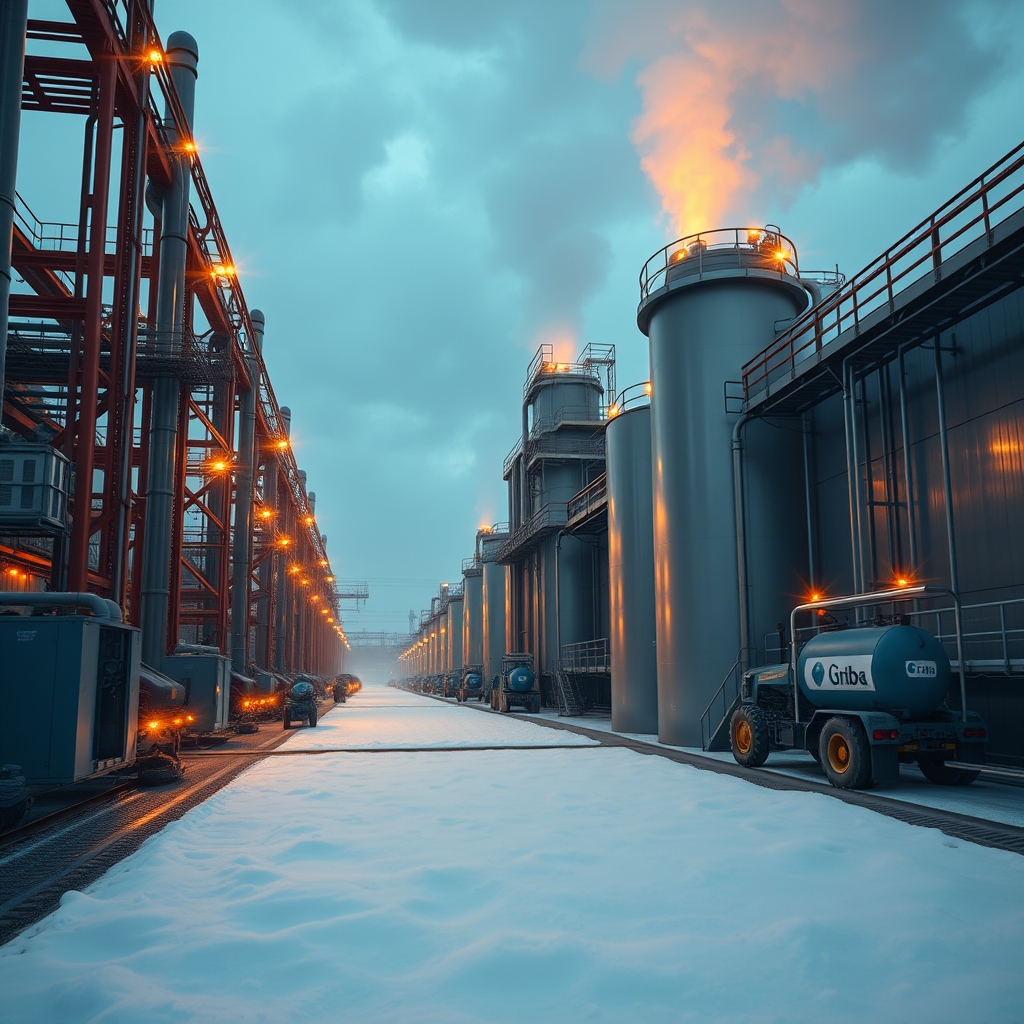
COP31 Stalls: Fossil Fuel Omission Threatens Global Climate Accord
COP31 talks face a critical impasse as the draft deal omits any reference to fossil fuels, threatening to delay a global climate agreement.
S
··1 min readSciTech Editorial Team
Newsroom
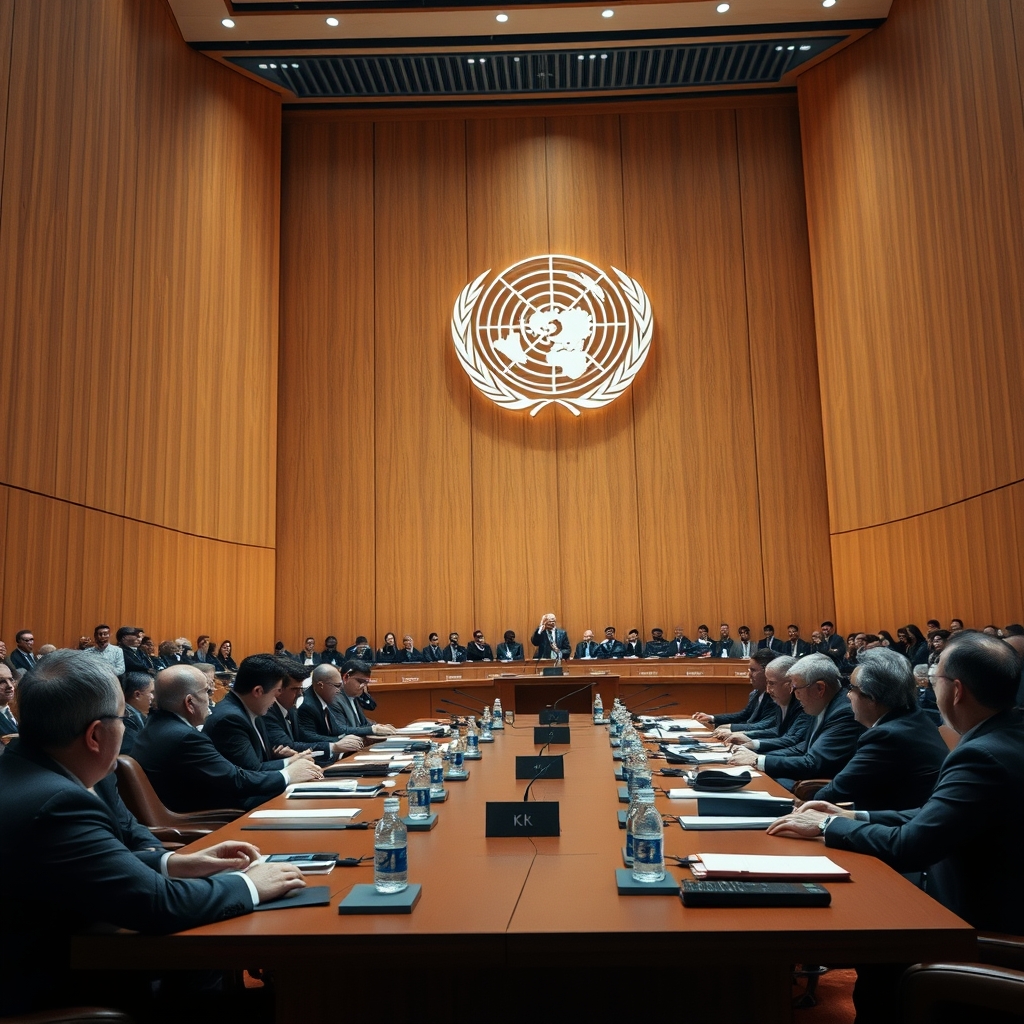
The United Nations' COP31 climate negotiations have entered their critical endgame on Friday, facing a significant impasse as nations remain sharply divided over the draft agreement. The central point of contention is the conspicuous absence of any explicit mention of fossil fuels, the primary drivers of planetary heating, in the proposed text. This omission has triggered intense diplomatic friction, threatening to push the high-stakes talks into overtime and potentially derail the finalization of a binding global accord.
Technical and diplomatic sources indicate that the draft deal fails to address the root cause of climate change, leaving key stakeholders dissatisfied. Developing nations, in particular, argue that a credible climate framework must explicitly target the reduction of carbon-intensive energy sources. Without clear language mandating a transition away from oil, gas, and coal, the agreement is viewed by many as insufficient to meet the scientific targets required to limit global warming. The lack of consensus on this fundamental issue has stalled progress in the final hours of the conference.
The broader implications of this deadlock are profound for the global energy sector and international policy. If the talks collapse or result in a watered-down agreement, it could undermine decades of diplomatic efforts to combat climate change. Industry leaders and environmental groups are closely monitoring the situation, warning that ambiguity on fossil fuels could delay the necessary structural shifts in the global economy. The outcome of COP31 will set the tone for future international cooperation on sustainability.
As the deadline approaches, diplomats are engaged in last-minute shuttle diplomacy to bridge the gap between opposing factions. The pressure is mounting to find a compromise that satisfies both the demand for immediate action on emissions and the political realities of major energy producers. Whether the conference will conclude with a historic breakthrough or a frustrating stalemate remains uncertain, but the stakes for the planet's future have never been higher.