IEA Report: Extreme Weather Emerges as Critical Threat to Global Oil and Gas Shipping Networks
New IEA report warns that extreme weather is increasingly threatening global oil and gas shipping, posing risks to infrastructure and energy security.
S
··1 min readSciTech Editorial Team
Newsroom
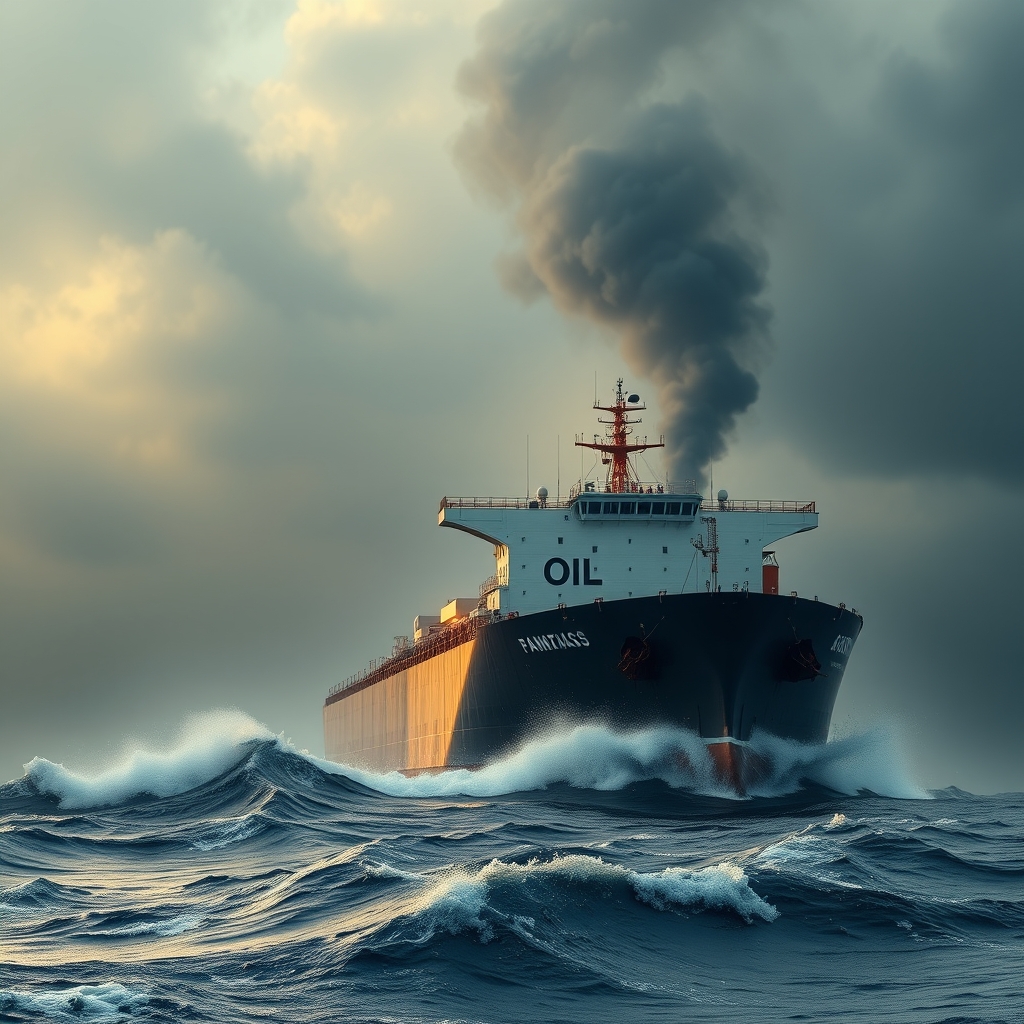
A newly released report by the International Energy Agency (IEA) has issued a stark warning regarding the escalating vulnerabilities of global energy logistics. The study highlights that extreme weather events are no longer merely environmental concerns but have evolved into significant operational risks for international oil and natural gas shipping. As climate volatility intensifies, the potential for these phenomena to inflict severe damage on critical maritime infrastructure has become a primary focus for policymakers and industry leaders alike.
The technical analysis within the report details how severe storms, rising sea levels, and unpredictable weather patterns directly impact the integrity of shipping lanes and port facilities. These disruptions do not merely delay cargo; they threaten the structural safety of vessels and the operational continuity of major trade routes that serve as the arteries of the global economy. The IEA emphasizes that the frequency and intensity of such events are outpacing current adaptive measures in the shipping sector.
In this context, the implications for energy security are profound. Disruptions in the flow of hydrocarbons can trigger immediate price volatility and supply shortages in key markets. The report underscores that the interdependence of global trade means that a localized weather event in one region can have cascading effects on energy availability worldwide. This interconnectedness demands a more robust and resilient approach to energy logistics planning.
Looking ahead, the IEA recommends that stakeholders prioritize the integration of advanced climate forecasting into shipping operations and invest in hardening critical infrastructure against extreme weather impacts. The next milestones for the industry will involve developing standardized protocols for weather-related risk management, ensuring that the global energy supply chain can withstand the growing pressures of a changing climate. This proactive stance is essential to maintaining stability in an increasingly volatile geopolitical and environmental landscape.