US Battery Storage Milestone: Capacity Surpasses 200 GWh Amid Record 2026 Deployment
US battery storage capacity has surpassed 200 GWh, with nearly 50 GWh added in the first nine months of 2026, signaling a major leap in grid resilience.
S
··1 min readSciTech Editorial Team
Newsroom
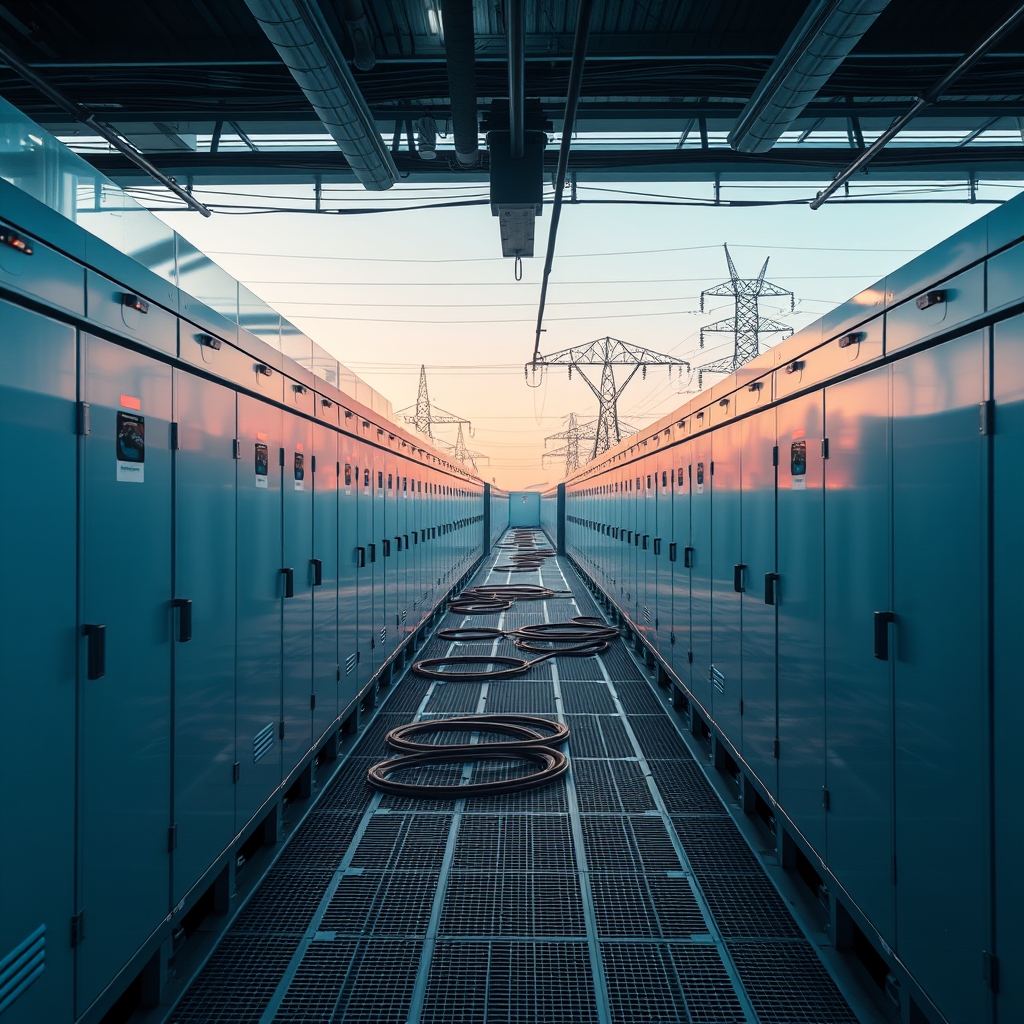
The United States has officially crossed a significant threshold in its energy infrastructure, with installed battery storage capacity now exceeding 200 gigawatt-hours (GWh). This milestone marks a pivotal moment in the nation's transition toward a more resilient and sustainable grid, driven by an unprecedented surge in deployment during the current year. The rapid expansion underscores the critical role that advanced energy storage plays in modernizing the electrical grid and facilitating the integration of intermittent renewable energy sources.
According to recent data, nearly 50 GWh of new battery storage capacity came online in the first nine months of 2026 alone. This rate of installation represents a substantial acceleration compared to previous years, highlighting the maturing of the battery storage market and the increasing economic viability of large-scale energy storage projects. The geographic distribution of these installations is becoming increasingly diverse, with significant projects emerging in key energy hubs across the country, including major sites in states like Utah and California.
The technical implications of this growth are profound. As the share of solar and wind power increases on the grid, the need for reliable, fast-responding storage solutions becomes paramount. Battery Energy Storage Systems (BESS) are now essential for managing peak demand, providing frequency regulation, and ensuring grid stability during periods of high consumption or low renewable generation. The shift from lithium-ion to next-generation chemistries is also beginning to influence project designs, offering longer lifespans and improved safety profiles.
Industry analysts suggest that this trajectory is set to continue, with projections indicating that the US could double its storage capacity within the next few years. However, challenges remain, including supply chain constraints for critical minerals, grid interconnection delays, and regulatory hurdles. Despite these obstacles, the momentum is undeniable, as utilities and independent power producers increasingly view storage not as an optional add-on, but as a core component of their long-term infrastructure strategies.