Google Pixel 11 Pro Fold Review: A Sturdy Rectangle in a Wide World
Google’s Pixel 11 Pro Fold sticks to its rectangular roots with tripled durability and a brighter 3,600-nit display, challenging the wave of wide-format foldables at a premium $1,899 price tag.
S
··2 min readSciTech Editorial Team
Newsroom
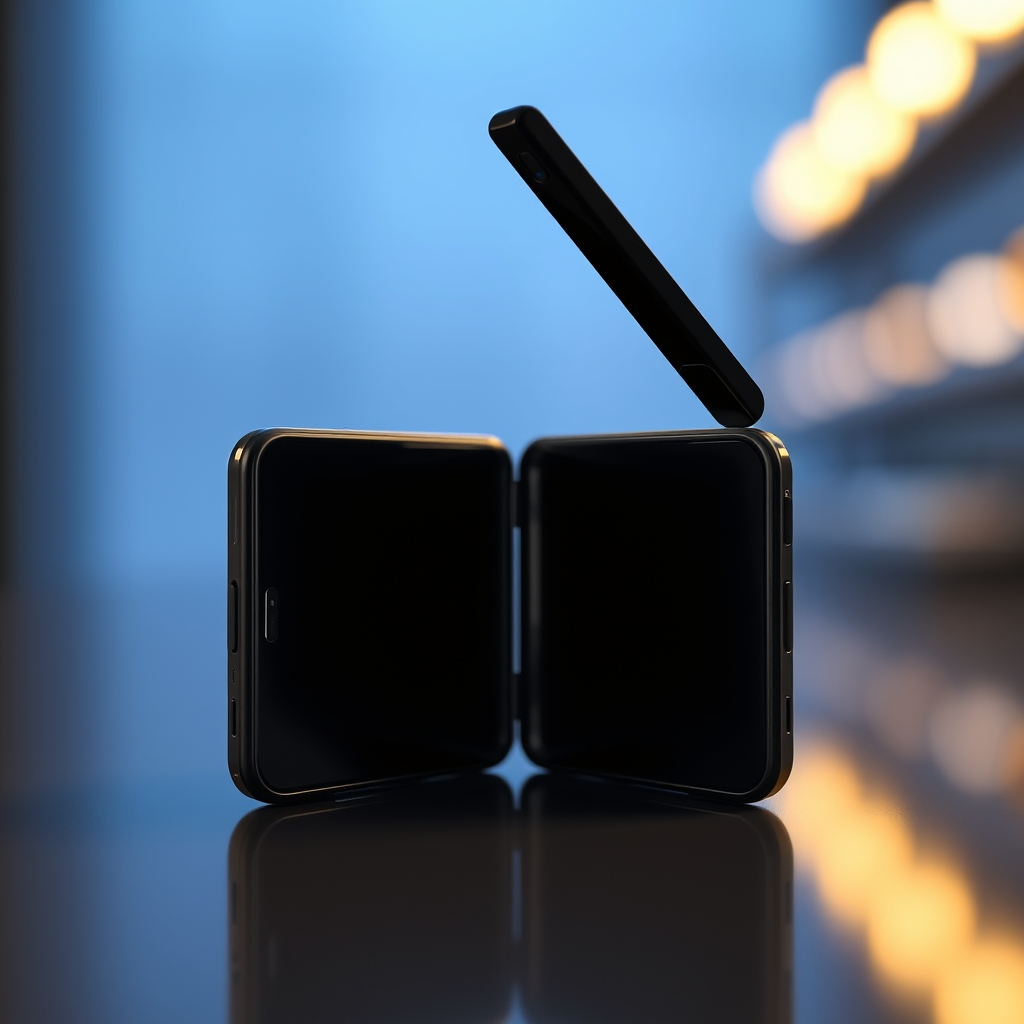
In a market increasingly dominated by wide, passport-sized foldables like the anticipated iPhone Duo and various Chinese competitors, Google has steadfastly adhered to its rectangular design philosophy with the launch of the Pixel 11 Pro Fold. Released on November 1, 2026, this device represents a subtle but significant evolution of its predecessor, prioritizing durability and refined usability over radical structural changes. While the shift to a wider format is a major trend, Google’s commitment to the traditional rectangle offers a distinct alternative for users who prefer a more familiar aspect ratio when the device is unfolded.
The technical enhancements focus on tangible improvements in build quality and display performance. The Pixel 11 Pro Fold is 5mm thick when unfolded and 10.1mm when folded, slightly slimmer than the Pixel 10 Pro Fold, and weighs 19 grams less. Most notably, Google claims a threefold increase in durability, achieved through a new glass-ceramic cover and a glass-fiber composite back cover. In practical testing, the device withstood multiple drops without visible dents or scratches, validating Google’s engineering efforts. The inner display now boasts a peak brightness of 3,600 nits, up from 3,000 nits, significantly improving visibility in bright outdoor conditions. However, the crease remains visible, particularly in direct light, as the device lacks a reflective display technology.
The camera system, while competent, continues to trail behind the slab-form Pixel 11 Pro XL. The main sensor has been updated to a 48-megapixel unit that captures more light for better detail, and the Super Res Zoom capability has been expanded from 20x to 30x. Despite these upgrades, the telephoto and ultrawide sensors remain largely unchanged from the previous generation. Software features like 'Looks' for image tone adjustment and 'Magic Capture' for selecting the best video frames add utility, but the camera experience is not on par with the non-foldable Pro models. The 'HiLight' indicator on the back provides visual cues for calls from favorite contacts and hands-free Gemini interactions, a feature that remains niche but functional.
From a user experience perspective, the device excels in multitasking, allowing two apps to run side-by-side, with optimized apps like Gmail benefiting significantly from the split-view capability. The 'Bubbles' feature, which allows apps to float in minimized windows, enhances workflow efficiency. However, the strong hinge required for the increased durability means the device cannot be unfolded with one hand, a deliberate design trade-off. With Gemini updates focusing on 'Magic Cue' for timely suggestions and 'Rambler' for quick replies and notes, the AI integration remains helpful but unobtrusive. At a price point of $1,899, the Pixel 11 Pro Fold is a premium choice, priced just $100 less than the iPhone Duo and on par with the Samsung Galaxy Z Fold 8. As competition from Xiaomi and Honor intensifies in Europe and the US, Google’s foldable must rely on its loyal fanbase and superior software ecosystem to maintain market relevance.