IEA Warns Historic Oil Shock Could Accelerate Global Shift to EVs and Solar Power
The IEA says the prolonged Hormuz crisis could trigger the biggest oil shock ever, fast‑tracking EV adoption and solar growth worldwide.
S
··1 min readSciTech Editorial Team
Newsroom
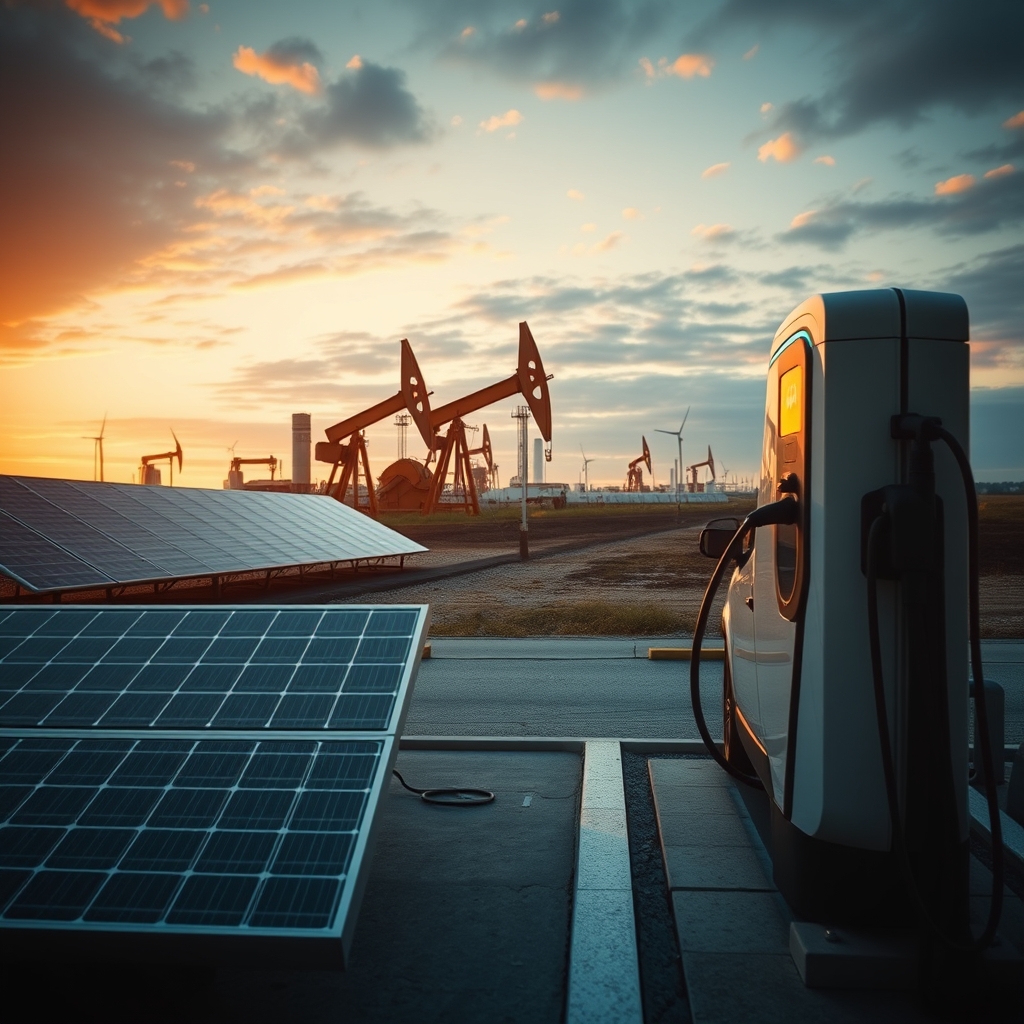
The International Energy Agency (IEA) in its World Energy Outlook 2026 warns that the protracted crisis in the Strait of Hormuz is generating the largest oil supply shock on record, a development that could dramatically accelerate the global transition to electric vehicles (EVs) and solar power.
The agency’s modelling shows that a sustained disruption of oil flows through the strait would push Brent crude above $120 per barrel for an extended period, cutting global oil demand by up to 2.5 million barrels per day by 2030. In response, the IEA projects EV sales to rise by 35 % relative to its baseline scenario, reaching 45 million units worldwide, while annual solar capacity additions could climb by 150 GW, adding roughly 1 terawatt of cumulative capacity by 2035.
“When oil markets become volatile, governments and consumers alike look for energy security alternatives,” said Fatih Birol, executive director of the IEA, in a press briefing. “The Hormuz impasse is a catalyst that forces policy makers to fast‑track decarbonisation pathways, especially in transport and power generation.”
The anticipated surge in EV demand is already prompting automakers to accelerate production lines for battery‑electric models, with Kia, Volkswagen and Tesla announcing expanded factories in Europe and North America. Simultaneously, utilities are scaling up solar‑plus‑storage projects to offset the expected reduction in fossil‑fuel generation, though challenges remain in securing lithium‑ion battery supply chains and upgrading grid infrastructure.
Looking ahead, the IEA cautions that the magnitude of the oil shock will depend on diplomatic resolutions in the Gulf, but even a partial de‑escalation could lock in a higher share of renewables for the next decade. Investors are therefore expected to pour an additional $300 billion into clean‑energy projects by 2028, cementing the crisis as a turning point for the world’s energy mix.